

Tokyo Haneda Airport (HND) ranks among East Asia's premier 24-hour hubs, and sitting closer to central Tokyo than Narita only adds to its appeal. Clean, remarkably safe, and efficiently run, Haneda makes a strong case for an overnight layover — provided you know which terminal to head for.
Here's what an overnight stay at HND actually looks like: how the three terminals differ in operating hours, where the free rest zones hide, what the paid sleeping options offer, and what's worth packing regardless of where you settle.
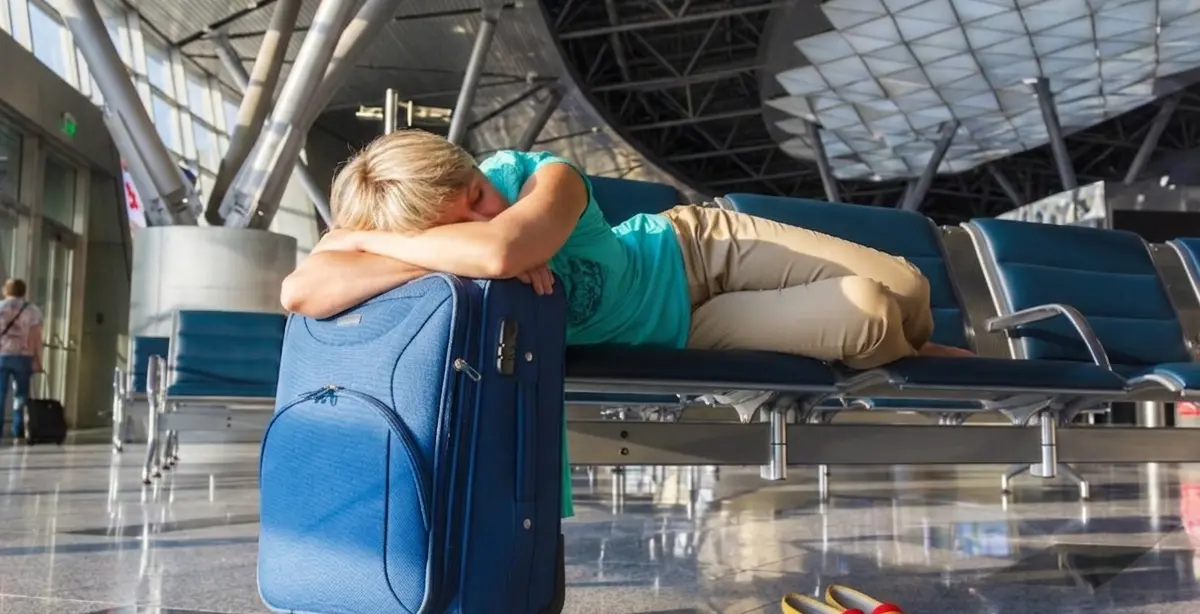
Because domestic and international operations split across separate buildings with different hours, the overnight routine at Haneda starts with one decision: confirm your terminal, then head for Terminal 3 if you're not already there.
Security & Terminal Layout Rules
Haneda operates across Terminal 1 (Domestic), Terminal 2 (Domestic & International), and Terminal 3 (International). Only one of the three actually runs around the clock, which makes choosing the right building the first order of business.
Terminal 3 (24-Hour Hub)
Runs 24/7 on both sides of the checkpoint. International transit passengers with an onward boarding pass can stay inside the secure airside zone all night.
Terminal 1 & 2 Hours
T1 closes between midnight and 5:00 AM. T2's domestic section also shuts overnight, though select international areas stay open depending on the flight schedule.
Moving Between Terminals
Free shuttle buses link T1, T2, and T3, but service pauses or thins out between 12:30 AM and 4:45 AM — land on a late domestic flight and you'll need to transfer to T3 for the night.
Since T1 and T2 both wind down overnight, arriving late on a domestic flight means one extra step: head straight for Terminal 3, where security screening and the terminal itself never close.
Top Rest Areas Inside Transit (Airside - Post Security & Landside - Before Security)
Haneda's reputation for immaculately clean, padded seating holds up overnight — finding a spot without armrests just takes scouting the outer wings.
Environment
The upper mezzanine levels near the Edo Alley cultural shopping area, along with the far ends of the gate piers, see minimal foot traffic once the late-night long-haul flights clear out.
Seating
Padded, armrest-free bench seating, quiet carpeted corners, and soft seating clusters set back from the main pedestrian paths.
Environment
For travelers waiting landside ahead of morning check-in, the 3F Departure Hall and the 4F mezzanine offer clean, well-lit spaces to settle into.
Seating
Padded bench seating near check-in counter zones, such as around Counter L, and upper-floor corridors tucked away from the arrival doors.
What to Expect Overnight
Once you've found a spot, here's the rest of the picture — lighting, temperature, and what's open when hunger strikes.
Lighting & Sound
Full overhead security lighting stays on 24/7 across all public terminal halls. PA announcements are moderated overnight, though periodic floor-cleaning and maintenance work continues.
Temperature
Climate control runs continuously, and the air conditioning can feel cool overnight, especially near the floor-to-ceiling glass facades and major entrance doors.
Food & Refreshments
24-hour convenience stores like 7-Eleven and Lawson, plus select cafes, operate in Terminal 3 on both the landside and airside.
Public Showers
24-hour public shower suites are available in Terminal 3's Landside 2F Arrival Lobby for a modest fee.
Water & Refill Stations
Free drinking water refill stations serving cold and ambient water are stationed near restroom blocks across Terminal 3, so an empty bottle through security saves you a trip to a convenience store just for a drink.
Overnight Survival Checklist
Haneda's free amenities cover a lot of ground, but these four items still round out a comfortable night.
- Eye Mask & Earplugs / Noise-Canceling Headphones — critical for blocking the continuous overhead concourse lighting and periodic maintenance sounds.
- Warm Layering / Compact Blanket — recommended to handle the cool indoor air conditioning overnight.
- Portable Power Bank & Type A Japanese Adapter — outlets and USB ports are built into the seating clusters, but a power bank gives you the freedom to rest away from the main charging poles.
- Empty Refillable Water Bottle — carry it through security dry and fill it at any dispenser across the airside transit zone.