
Master the Time Jump
Preparing for a long-haul flight to Tokyo requires a targeted approach to managing your internal clock. This guide is structured to help travelers execute precise wellness and logistical steps before, during, and after landing to ensure a smooth transition into the local time zone, turning potential fatigue into energy.
Traveling to Tokyo involves crossing significant time zones. A strategic plan is the best way to defeat jet lag, ensuring you arrive ready to experience Japan.
Get ready for pure Tokyo energy!
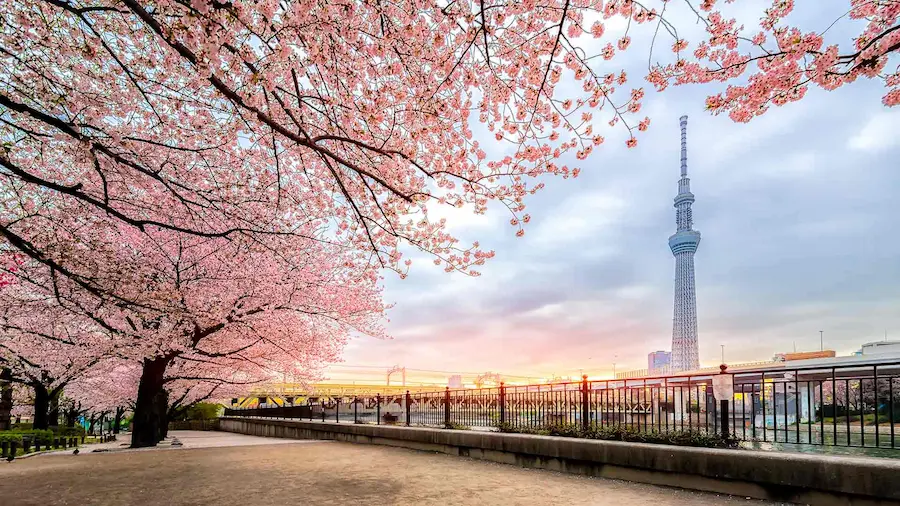
The severe disruption of your internal body clock can turn your first few precious days into a foggy ordeal. This guide breaks down the process into three critical phases to ensure your Tokyo experience begins vibrant and energized.
Phase 1: The Pre-Flight Battle - Preparation
Why You Must Start Now
The fight against jet lag doesn't begin when you step on the plane; it starts several days earlier. Preparation is the key to gently coaxing your body into its new routine, minimizing the shock upon landing.
Preparation illustration
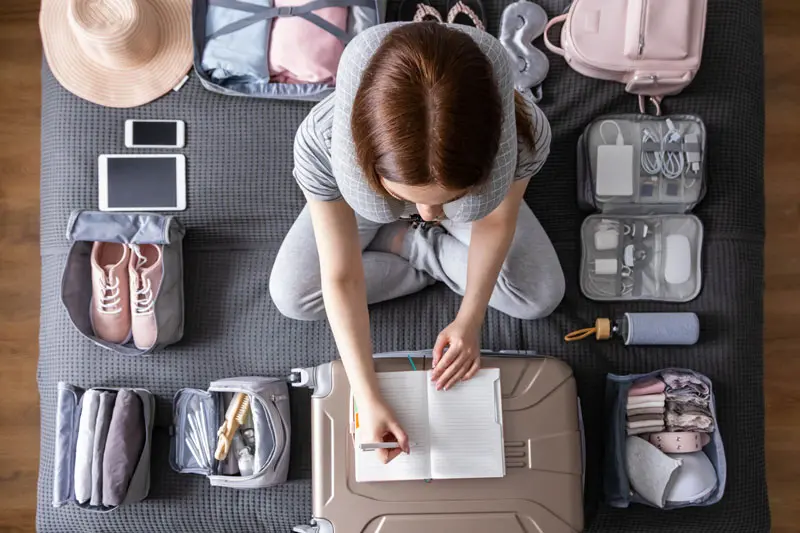
Your 72-Hour Strategy Checklist
Routine Adjustment
Start shifting your bedtime and wake-up time 15 to 30 minutes earlier or later each day. This incremental approach signals a change, easing the final biological leap.
Hydration Command
Aggressively increase your water intake. Abstain from alcohol and limit caffeine before and during your flight to ensure optimal hydration.
Mental Time Shift
Adopt the destination time zone as soon as you step onto the plane. Immediately set your watch and phone to Tokyo time.
Phase 2: Critical Steps During the Flight
Targeted Sleep Synchronicity
Your flight is now Tokyo night. Sleep only when it is nighttime in your destination. Utilize eye masks and earplugs to enforce this schedule, ensuring your body's rest cycles align with Japan's time zone.
Activate Light Control
Light is the most powerful synchronizer. Expose yourself to cabin light if it is daytime in Tokyo, and eliminate it if it is nighttime. Avoid continuous window gazing if the sun is not aligned with your desired awake period.
Prioritize Blood Flow
Sitting immobile contributes to fatigue. Get up and walk the aisles every two hours. These small movements fight swelling, keep your energy levels stable, and ensure your body is ready for immediate action upon landing.
A long-haul flight is the primary stage for managing your circadian rhythm. Use these hours wisely to set yourself up for success.
First Aid in Haneda Lounges: Leaving Flight Stress Behind
Landing at Tokyo Haneda Airport (HND) is a critical transition point. A quick stop at an airport lounge can become your most powerful tool against impending jet lag. Think of it not as a luxury, but as First Aid for your circadian rhythm.
The Ultimate Reset: Shower and Decompression
Lounges like the Haneda Airport Power Lounge often provide shower facilities. A hot shower after a long flight is a biological reset button that instantly reduces flight fatigue and washes away the feeling of travel. Furthermore, the quiet, controlled environment offers a crucial decompression period, helping you transition from the airplane's stress to the calm required for jet lag management.
Controlled Hydration, Nutrition, and Mental Calibration
Instead of dealing with terminal crowds, enjoy unlimited access to water, juices, and light, fresh foods in a comfortable space. This nutrition is vital, contrasting sharply with heavy terminal fare. Use this calm period to mentally review your itinerary and make a final, focused shift into the new time zone without distraction. By utilizing the TIAT Lounge or similar facilities, you are actively choosing focus and comfort over fatigue.
Digital Zone and Focused Space
Many facilities, including the TIAT Lounge, offer high-speed Wi-Fi and designated workspaces. This allows you to check urgent communication and finalize travel logistics in a focused environment, rather than scrambling at the gate. By utilizing these resources, you are actively choosing efficiency and comfort over fatigue, making the lounge a functional extension of your travel strategy.
To check which lounges are accessible to you and to find out about specific amenities, consult the detailed guide:
Haneda Lounge InformationPhase 3: Arrival Tactics on Japanese Time
You’ve landed, you’ve showered, and you’ve left the terminal. The final and most critical phase is all about integrating immediately into Japanese time. Your actions in the first 12 hours will determine how quickly your body adapts.
Seek Light and Synchronize Meals
If you land during the daytime, your priority must be to seek out bright, natural sunlight as soon as possible, ideally within the first hour. Sunlight hitting your eyes signals to your brain to halt the production of melatonin, effectively resetting your internal clock. For the same reason, do not wear sunglasses for the first hour outside. Concurrently, you must commit to eating on local time. You must eat meals at local Tokyo times (breakfast, lunch, and dinner), even if you aren't physically hungry because your body thinks it’s the middle of the night. Focus on light, protein-rich meals to aid digestion.
The Cardinal Rule: Avoid the Long Nap
The fatigue on arrival will be intense, tempting you to take a long, restorative nap. Resist this urge! Anything more than a 30-minute power nap will confuse your body and make it nearly impossible to fall asleep at a reasonable local bedtime. The ultimate goal is to push through the afternoon fatigue until a proper local bedtime (10 PM to midnight) to establish a lasting routine from the start. Discipline is your greatest weapon against jet lag.