

Onsen and Sento Culture in Tokyo
Tokyo may be famous for its neon lights, towering skyscrapers, and bustling streets, but hidden within the city is a timeless tradition that brings calm and balance: onsen and sento culture. These hot baths are not only about hygiene—they are deeply connected to relaxation, healing, and community. For both locals and travelers, visiting an onsen or sento in Tokyo is one of the most authentic cultural experiences you can have.
What’s the Difference Between Onsen and Sento?
Before stepping into Tokyo’s bathing culture, it’s important to understand the difference:
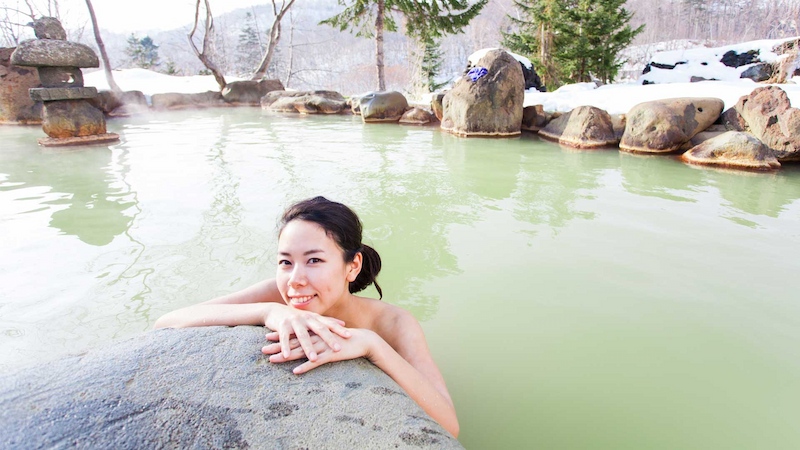
- Onsen (温泉): Natural hot springs fed by geothermal sources. Rich in minerals, these waters are believed to have therapeutic properties, improving circulation, easing muscle pain, and rejuvenating the skin.
- Sento (銭湯): Public bathhouses that use heated tap water instead of natural springs. They are more affordable, neighborhood-oriented, and focus on community bonding rather than health benefits.
In short, onsens are about nature and healing, while sentos reflect daily life and social connections.
The Benefits of Onsen and Sento
Why do the Japanese remain so devoted to these traditions? Because the benefits go far beyond relaxation:
Stress relief: Warm water soothes tired muscles, calms the mind, and improves sleep quality.
Boosts circulation: Mineral-rich onsen water promotes blood flow and reduces fatigue.
Strengthens immunity: Regular visits can help the body resist colds and fatigue.
Skin health: Sulfur and other minerals in hot springs cleanse pores and leave the skin smooth.
Community bonding: Sentos serve as gathering places where neighbors connect and friendships grow.
Bathing Etiquette: What You Need to Know
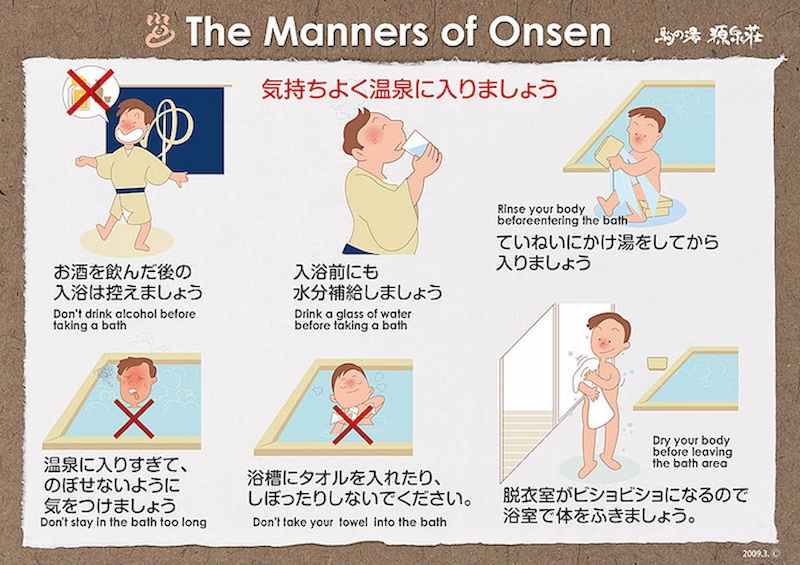
To fully enjoy an onsen or sento, respecting the rules is essential:
- Always wash thoroughly before entering the bath.
- Towels should never be placed inside the water; leave them on the side.
- Tattoos may not be allowed in traditional facilities (though some modern ones are more lenient).
- Keep quiet and maintain a calm atmosphere to respect others.
Onsen Experiences
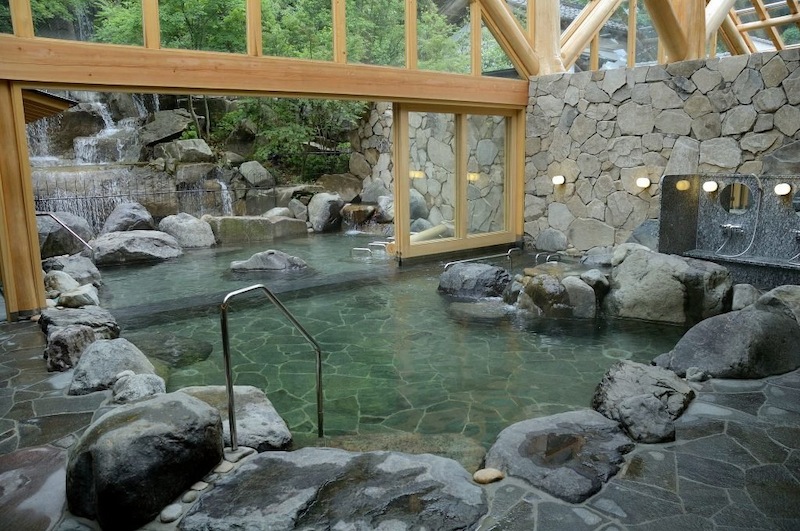
Even though Tokyo is far from volcanic regions, the city still offers unique onsen facilities that recreate the natural hot spring atmosphere. Many combine traditional Japanese aesthetics with modern spa luxuries such as saunas, massages, and relaxation lounges.
Top Onsen Places in Tokyo
1. Thermae-Yu (Shinjuku)
A modern urban onsen offering multiple pools, saunas, and spa treatments, open until late at night, perfect for busy city travelers.
2. Saya-no-Yudokoro (Itabashi)
Known for its natural hot spring water and peaceful Japanese garden views, this onsen feels like a hidden oasis within the city.
3. Spa LaQua (Korakuen, Tokyo Dome City)
Located in an entertainment complex, this onsen combines leisure, shopping, and relaxation for a complete day out.
Sento Experiences
While onsens focus on natural healing, sentos are more about everyday life. They are usually smaller, more affordable, and beloved by locals who gather there to unwind after work. Sentos keep alive the sense of community in Tokyo’s fast-paced environment.
Top Sento Places in Tokyo
1. Jakotsuyu (Asakusa)
One of the city’s oldest bathhouses, with a history dating back centuries, perfect for relaxing after visiting Senso-ji Temple.
2. Daikokuyu (Sumida)
Offers both traditional baths and modern facilities, including an outdoor bath with views of the Tokyo Skytree.
3. Kodakara-yu (Koenji)
Famous for its colorful murals and trendy design, it attracts a younger crowd looking for a unique cultural experience.
Finding Peace in the Heart of the City
Tokyo’s onsen and sento culture is a gateway to discovering a different side of the city, one that balances modern speed with ancient calm. Whether you soak in mineral-rich hot springs for health or step into a neighborhood sento to experience local life, the benefits are undeniable. Warm water, healing minerals, and social connection all combine to create one of the most memorable experiences you can have in Japan.
