
Temples, Towers, and the Art of Balance
Tokyo is a city of contrasts, a place where centuries-old prayers echo beneath neon lights. One moment, you walk through incense-filled alleys lined with red lanterns; the next, you’re standing beneath glass towers that scrape the clouds. It’s here that Japan’s reverence for tradition meets its relentless drive for the future.
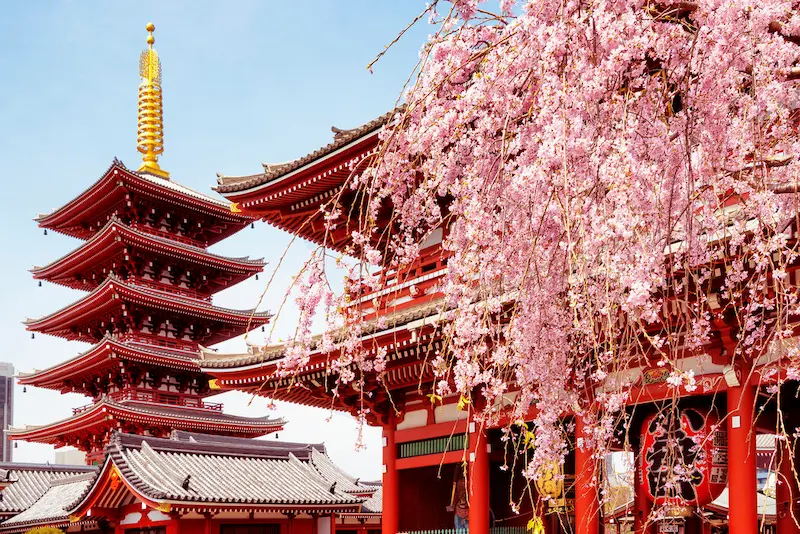
Asakusa: Where the Past Still Breathes
In the heart of old Tokyo lies Senso-ji Temple, the city’s oldest and most beloved Buddhist temple. Built in the 7th century, it welcomes millions of visitors every year who come not only to pray but to reconnect with something timeless. As you walk through the Kaminari-mon gate, the scent of incense mixes with street food, roasted sweet potatoes, mochi, and the sound of wooden sandals on stone.
Here, Tokyo feels intimate. Locals offer quiet bows before the altar, while visitors try their luck drawing fortune slips from metal boxes. Despite the crowds, there’s a stillness you can’t quite explain as if the city pauses for a moment to remember its soul.
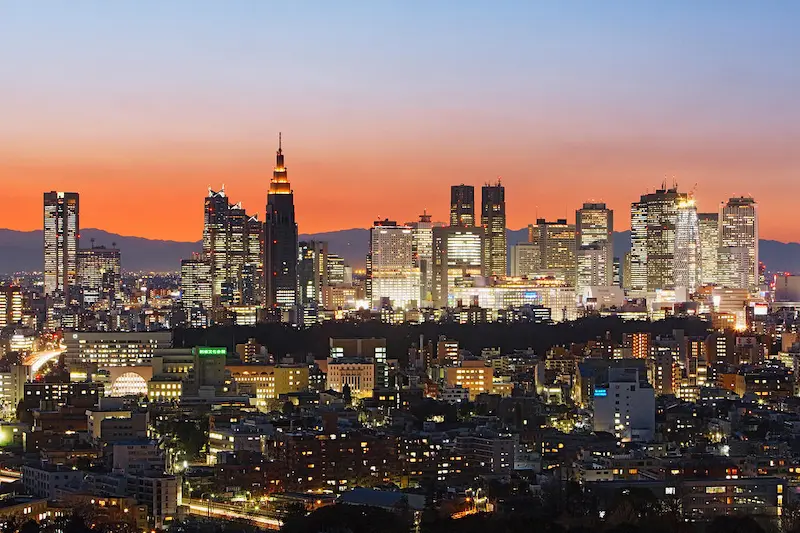
Shinjuku: The Future in Motion
Then there’s Shinjuku, a place that never seems to sleep. Skyscrapers glitter like electric temples, each floor alive with offices, bars, and hidden jazz rooms. When the sun sets, digital billboards ignite the night, reflecting Tokyo’s other heartbeat: innovation, speed, and ambition.
Step into Shinjuku Station, one of the busiest in the world, and you’ll feel the rhythm of the modern city. Trains glide in and out with quiet precision; commuters move like choreography. Yet, even amid the glass and steel, you might spot a tiny izakaya tucked between towers, a reminder that even in the future, Tokyo never lets go of its past.
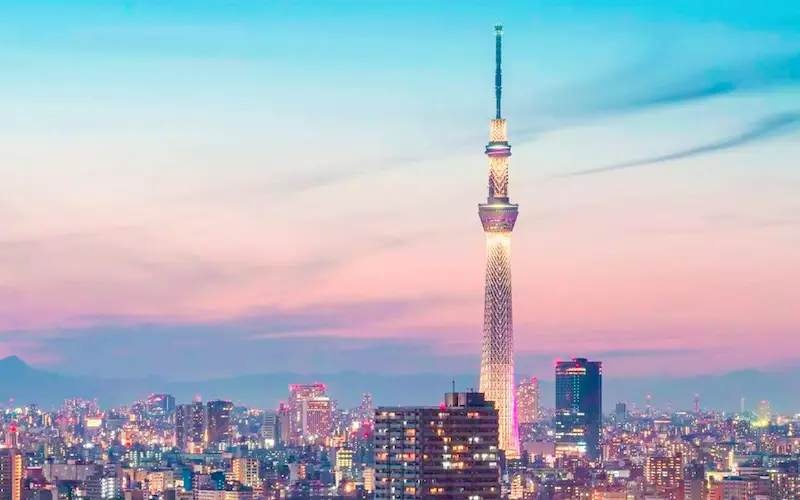
Tokyo Skytree: The Bridge Between Worlds
Rising 634 meters above the city, the Tokyo Skytree connects both sides of Tokyo geographically and symbolically. From its observation decks, you can see everything: the crimson roof of Senso-ji on one side and the endless skyline of Shinjuku on the other. It’s as if the tower itself exists to remind visitors that Tokyo’s identity lives in this balance — one foot in history, one in tomorrow.
Bonus: Hidden Corners of Tokyo
Beyond the famous districts, Tokyo hides quieter spaces that capture the same delicate balance. In Yanaka, narrow lanes lined with wooden houses and small family shops recall postwar Japan, untouched by the city’s speed. It’s the kind of place where cats nap in doorways and locals greet strangers with a nod.
Across the bay, Odaiba reflects Tokyo’s futuristic side an island of innovation with mirrored architecture, seaside promenades, and the rainbow glow of its bridge by night. Here, the city’s energy meets the calm of the water, an elegant metaphor for Tokyo itself.
And when spring arrives, walk along the Meguro River. Cherry blossoms arch over the water like pink clouds, their petals drifting silently downstream. It’s a moment of beauty so fleeting it feels sacred the same spirit that defines Japan’s harmony between permanence and change.
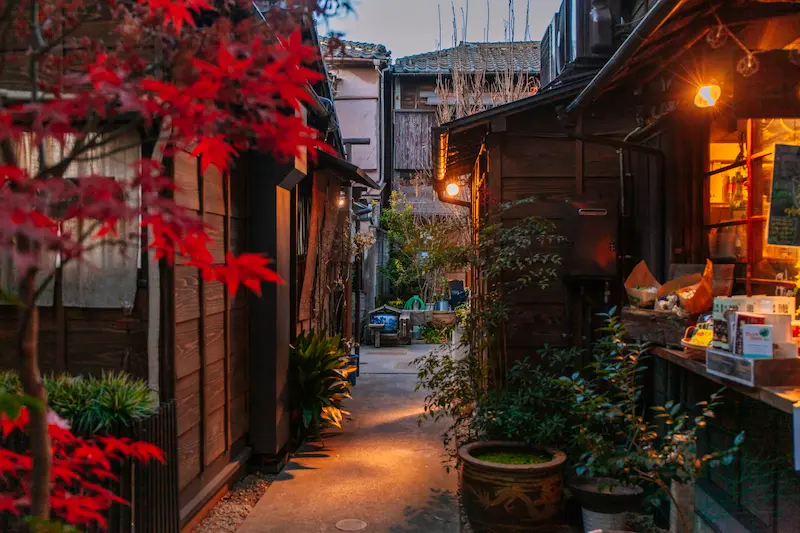
A quiet street in Yanaka, where old Tokyo still whispers.
Embracing Both Worlds
Tokyo doesn’t ask you to choose between its faces. It invites you to walk between them. You can sip matcha under temple eaves in the morning and toast the skyline with sake at night. It’s a city that shows you how the past and the future can coexist, not in conflict, but in quiet harmony.
When you leave Tokyo, it’s hard to say which stays with you longer: the echo of temple bells or the glow of skyscraper lights. Maybe both. Maybe that’s exactly the point.