

What is Anime and What Isn’t?
Let’s clear this up right away: Anime is not just “cartoons from Japan.”
It’s a cultural powerhouse, an entire form of visual storytelling that ranges from epic action adventures to quiet emotional dramas. Anime, short for "animation" in Japanese, refers to all kinds of animated work in Japan, whether it's a full-length movie or a 12-episode series. But when the rest of the world says "anime," they usually mean Japanese-style 2D animation, often with distinctive visual styles, deep characters, and emotional storytelling.
Contrary to popular belief:
- Not all anime is for children.
- Not all anime is action-packed.
- And definitely, not all anime looks the same.
From high school romances to dystopian battles, anime covers a universe of genres. So when we talk about the top ten anime in Japan, we’re diving into a world that’s as diverse as cinema or literature.
Why Do Japanese Fans Love Anime So Much?
Anime in Japan is more than entertainment; it’s everyday culture. From giant posters in train stations to themed cafés and public art, anime is woven into Japanese life. Schoolkids, working adults, and grandparents alike all have their favorite series.
Japanese anime fans especially value:
Character growth over time
Emotional storytelling that reflects life’s ups and downs
Cultural symbols, values, and historical references
Innovative animation styles that push visual boundaries
Top Ten Most Popular Anime in Japan (Spoiler-Free List)
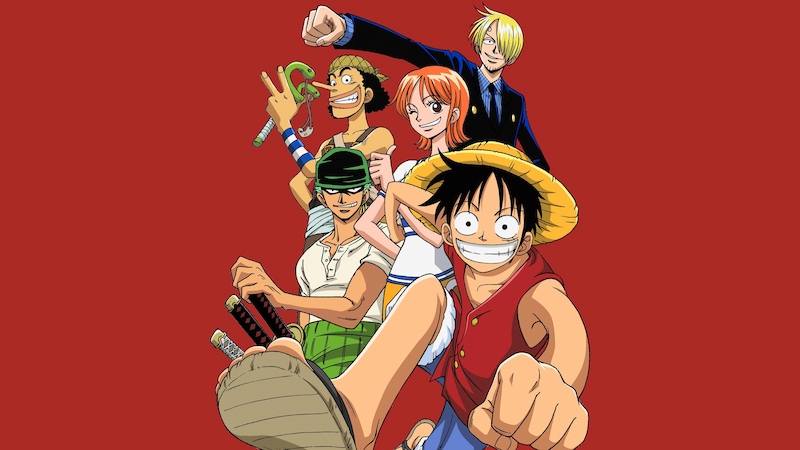
1. One Piece
Genre: Adventure, Action, Fantasy
Why It’s Loved:
Japan’s most iconic anime of all time. With over 1000 episodes, One Piece is a grand pirate adventure about friendship, freedom, and following your dreams. Its emotional storytelling, layered world-building, and the unbreakable bond between the Straw Hat crew make it legendary.

2. Demon Slayer (Kimetsu no Yaiba)
Genre: Action, Supernatural, Historical
Why It’s Loved:
Known for stunning animation and traditional Japanese aesthetics, Demon Slayer tells a deeply human story about love, loss, and redemption. The sibling bond at its core resonates widely, while its battles carry real emotional weight.
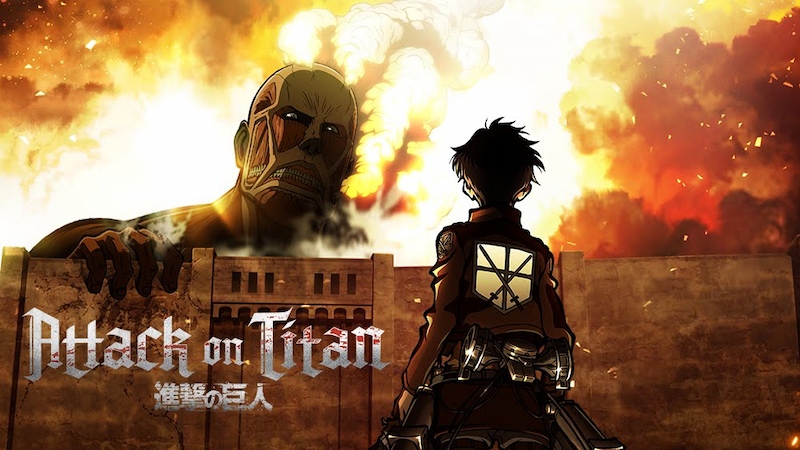
3. Attack on Titan (Shingeki no Kyojin)
Genre: Dark Fantasy, Action, Thriller
Why It’s Loved:
What begins as a survival tale evolves into a multi-layered drama exploring politics, ethics, and the meaning of freedom. Its tension-filled story and thought-provoking themes made it one of Japan’s most influential anime.

4. My Hero Academia (Boku no Hero Academia)
Genre: Superhero, Action, School Life
Why It’s Loved:
A coming-of-age story where students train to be heroes. It emphasizes effort, mentorship, and personal growth; values admired in Japan.

5. Jujutsu Kaisen
Genre: Action, Supernatural, Urban Fantasy
Why It’s Loved:
Stylish, fast-paced, and intense. Jujutsu Kaisen blends cursed spirits, inner demons, and heartfelt friendships with outstanding animation.
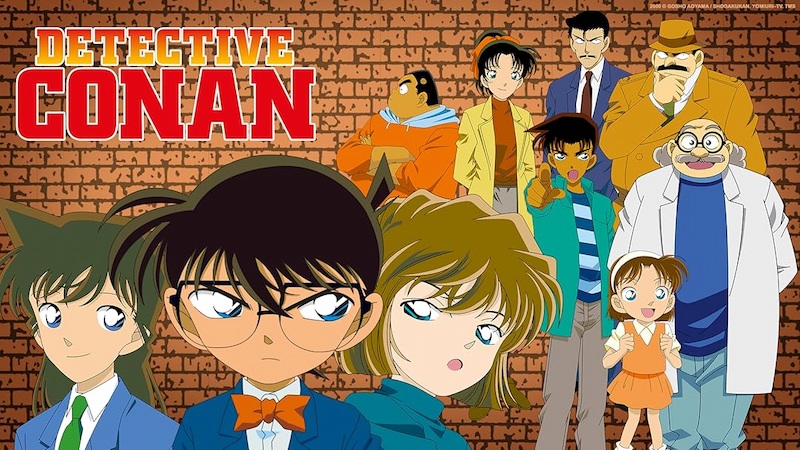
6. Detective Conan (Case Closed)
Genre: Mystery, Crime, Slice of Life
Why It’s Loved:
A classic with 25+ years on air. Each episode is a clever puzzle, balanced with cozy character moments that keep fans watching.
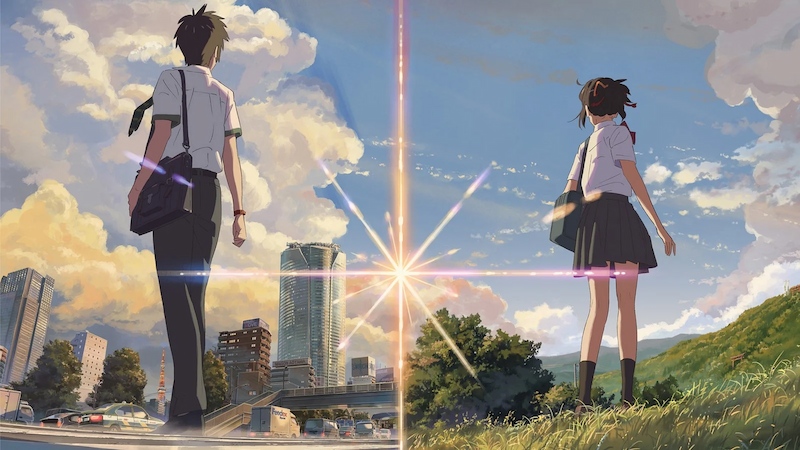
7. Your Name (Kimi no Na wa)
Genre: Romance, Supernatural, Drama (Movie)
Why It’s Loved:
A poetic film about two strangers whose lives mysteriously connect. Its emotional depth and stunning visuals made it a cultural phenomenon.

8. Spirited Away (Sen to Chihiro no Kamikakushi)
Genre: Fantasy, Coming-of-Age, Adventure (Movie)
Why It’s Loved:
Studio Ghibli’s masterpiece. A magical yet profound story rooted in folklore and Japanese culture, loved by families across generations.
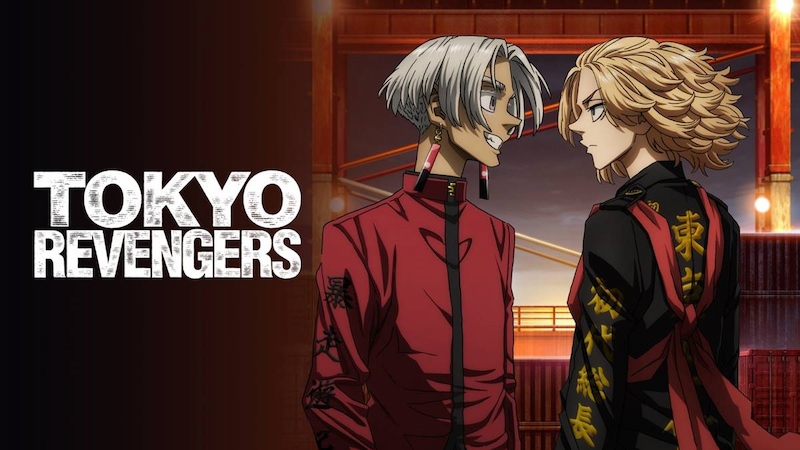
9. Tokyo Revengers
Genre: Action, Drama, Time Travel
Why It’s Loved:
A modern youth hit. With gang drama, time travel twists, and themes of loyalty and redemption, it strongly resonates with young audiences.
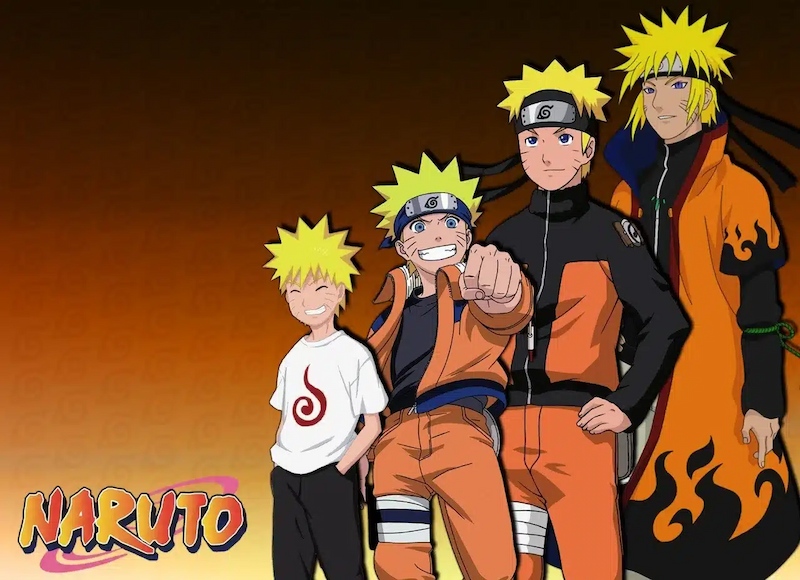
10. Naruto & Naruto: Shippuden
Genre: Ninja, Action, Coming-of-Age
Why It’s Loved:
One of the “Big Three” anime. Naruto’s journey from an outcast boy to a respected hero embodies perseverance, friendship, and never giving up; values that Japanese fans deeply connect with.
What Makes Anime in Japan So Unique?
Anime is not just about fights or fantasy; it’s a mirror of Japanese society, emotions, and history. The most popular anime in Japan often:
- Include strong moral or philosophical themes
- Balance action with heart
- Showcase growth, grief, or perseverance
- Use local settings, values, or cultural heritage
- Take animation as seriously as live-action cinema
Anime is a Feeling, Not Just a Genre
If you’ve ever cried during a silent moment in an anime, laughed out loud during a character’s meltdown, or found comfort in a storyline you didn’t expect to love, you get it.
Anime is storytelling with soul.
These ten anime are popular in Japan not just because they’re well-made, but because they speak to human experience in a uniquely Japanese way. Whether you're new to anime or a seasoned fan, these titles will show you why anime remains one of Japan’s most beloved cultural exports.
