
Airports can be exciting, but let’s be honest, they can also become stressful very quickly. Missing a flight, waiting in the wrong terminal, packing the wrong item, or getting stuck during a transit connection are problems many travelers face every single day. The good news is that most airport problems are completely avoidable. A little preparation before your trip can save you from extra costs, long delays, unnecessary stress, and travel headaches. Here are 20 airport mistakes to avoid if you want a smoother and more comfortable trip.
1. Arriving Too Late for Check-In
This is probably the most common airport mistake. Many travelers think they have “just enough time” until traffic becomes worse than expected, security lines get longer, or check-in counters close early. International airports can become extremely crowded during holidays and weekends.
Most airlines recommend arriving at least:
- 2 hours early for domestic flights
- 3 hours early for international flights
Honestly, arriving early enough to enjoy an airport lounge is far better than sprinting through the terminal stressed and exhausted.
2. Going to the Wrong Terminal
Large airports often have multiple terminals connected by trains, buses, or long walking distances. Some travelers arrive confidently at the airport only to realize their airline departs from another terminal 20 minutes away. Airports like Istanbul Airport or Heathrow Airport can take much longer to navigate than people expect.
Before heading to the airport, always double-check:
- Terminal number
- Airline departure area
- Gate area
- Airport map
This simple habit can save a lot of stress.
3. The Layover Mistake That Makes Travelers Miss Flights
A 45-minute layover may sound enough on paper, but delays, immigration checks, and terminal transfers can create serious problems. Many travelers miss connecting flights because they booked the cheapest ticket without considering transfer times.
For international connections, longer transit times are usually safer.
Recommended minimum connection times:
- Domestic flights: 1.5 hours
- International flights: 2–3 hours
- Large airports: 3+ hours
Many travelers learn this lesson the hard way after missing a connecting flight.
4. This Simple Liquid Mistake Can Delay Your Flight
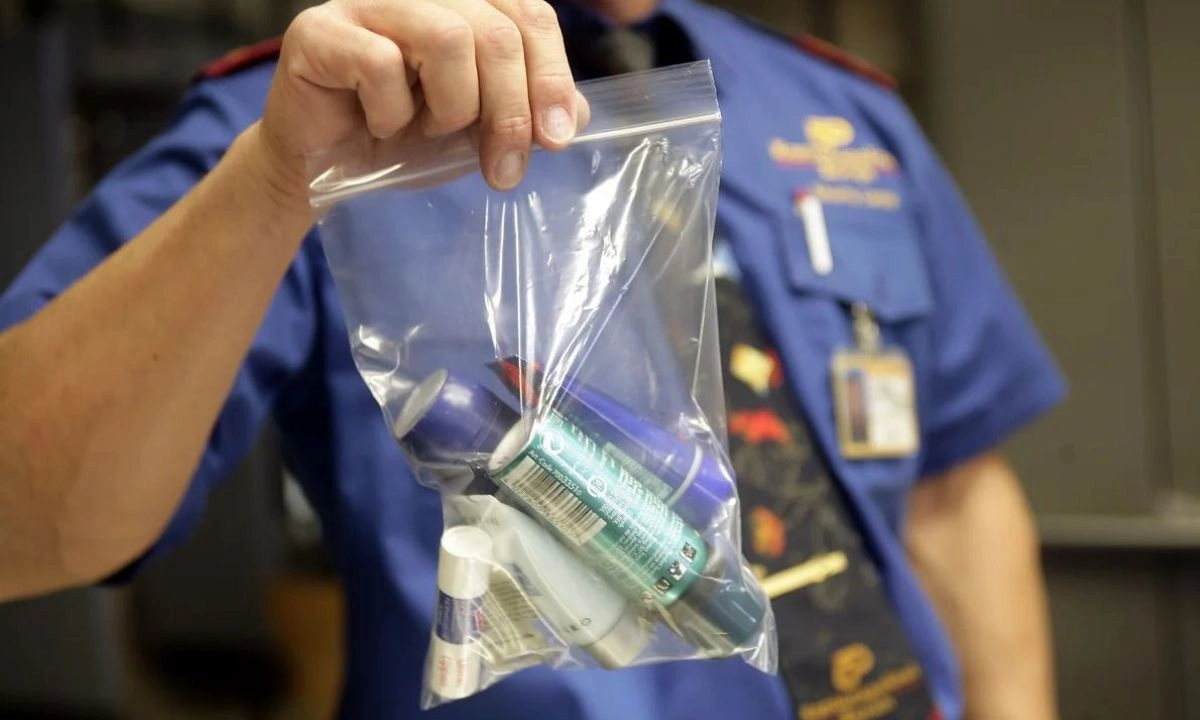
Every day, passengers lose drinks, cosmetics, perfumes, and other personal items during screening because they forget the 100 ml restriction. While rules vary slightly by country, most major airports follow similar liquid restrictions for cabin baggage.
Below, you can find a simplified overview of the liquid security guidelines published by the European Union for travelers passing through EU airports.
| EU Airport Liquid Rules | Details |
|---|---|
| Maximum Liquid Size | Each liquid container must be under 100 ml |
| Plastic Bag Rule | All liquids must fit inside one transparent, resealable plastic bag |
| Bag Capacity | Maximum 1 liter per passenger |
| Security Screening | Liquids must be presented separately during security checks |
| Electronics | Laptops and large electronic devices must be removed from bags |
| Medical Exceptions | Medicines and baby food are usually allowed if needed during travel |
| Duty Free Purchases | Liquids bought after security in EU airports are generally allowed if sealed |
| Checked Baggage | Larger liquid items should be packed inside checked luggage |
Maximum Liquid Size & Capacity
Limit: Each container must be under 100 ml.
Total: Maximum 1 liter total volume per passenger.
Plastic Bag Rule
All liquids must fit comfortably inside one single, transparent, resealable plastic bag and presented separately at screening.
Exceptions & Electronics
Electronics: Laptops must be removed from bags.
Medical: Medicines and baby food are generally allowed.
Duty Free: Allowed if sealed in official security bags.
5. Bringing the Wrong Cabin Bag
Cabin baggage rules are different for every airline, especially low-cost carriers. Low-cost airlines especially have strict baggage rules and can charge high extra fees at the gate.
Some common mistakes include:
- Carrying oversized backpacks
- Ignoring weight limits
- Bringing extra personal items
- Forgetting airline baggage policies
Checking baggage rules before flying can save both money and frustration.
6. Packing a Power Bank Incorrectly
Most airlines do not allow power banks inside checked baggage because of battery safety rules. Many travelers place them inside checked baggage, which is prohibited by most airlines due to fire safety regulations.
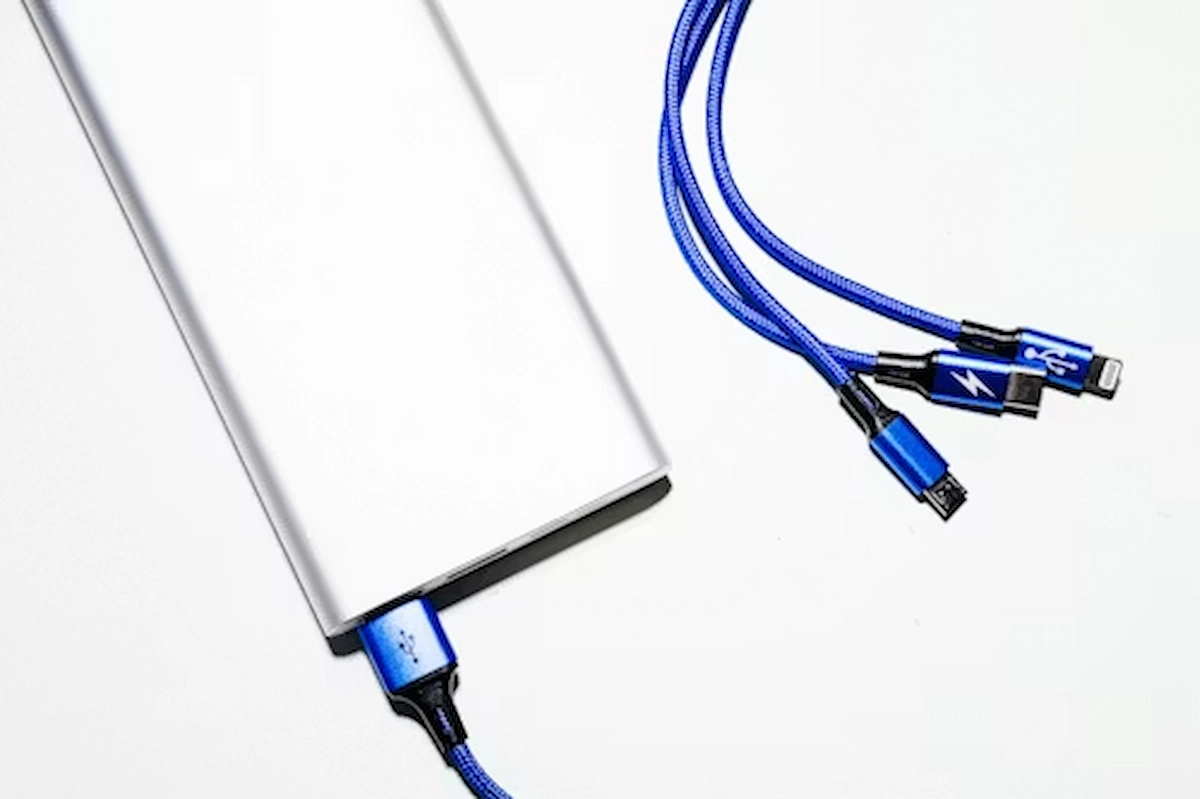
Important power bank rules:
- Must usually stay in cabin baggage
- Capacity limits may apply
- Damaged batteries may be rejected
At some airports, security staff may also ask you to remove them separately during screening.
7. Forgetting Passport Expiration Rules
Some travelers only discover this problem at check-in: many countries require passports to remain valid for at least six more months.
Before booking international flights, always verify:
- Passport expiration date
- Visa requirements
- Entry rules
- Transit rules
8. Using Fake or Unofficial Airport Taxis
Fake taxis remain a common problem at busy airports around the world. Some drivers overcharge tourists or operate illegally outside official airport systems.
To avoid problems:
- Use official airport taxi stands
- Pre-book licensed airport transfers
- Confirm prices first
A little caution can save you from scams and uncomfortable situations.
9. Going to the Wrong Lounge
Airport lounges are great, but not every lounge accepts every traveler. Some lounges only allow specific airlines, classes, or memberships.
Before heading to an airport lounge, don’t forget to check:
- Access requirements
- Terminal location
- Operating hours
- Guest policies
It saves time and unnecessary disappointment.
10. Waiting at the Wrong Gate
Airport gates can change suddenly. Some passengers stop paying attention after checking the departure board once and accidentally wait at the wrong gate.
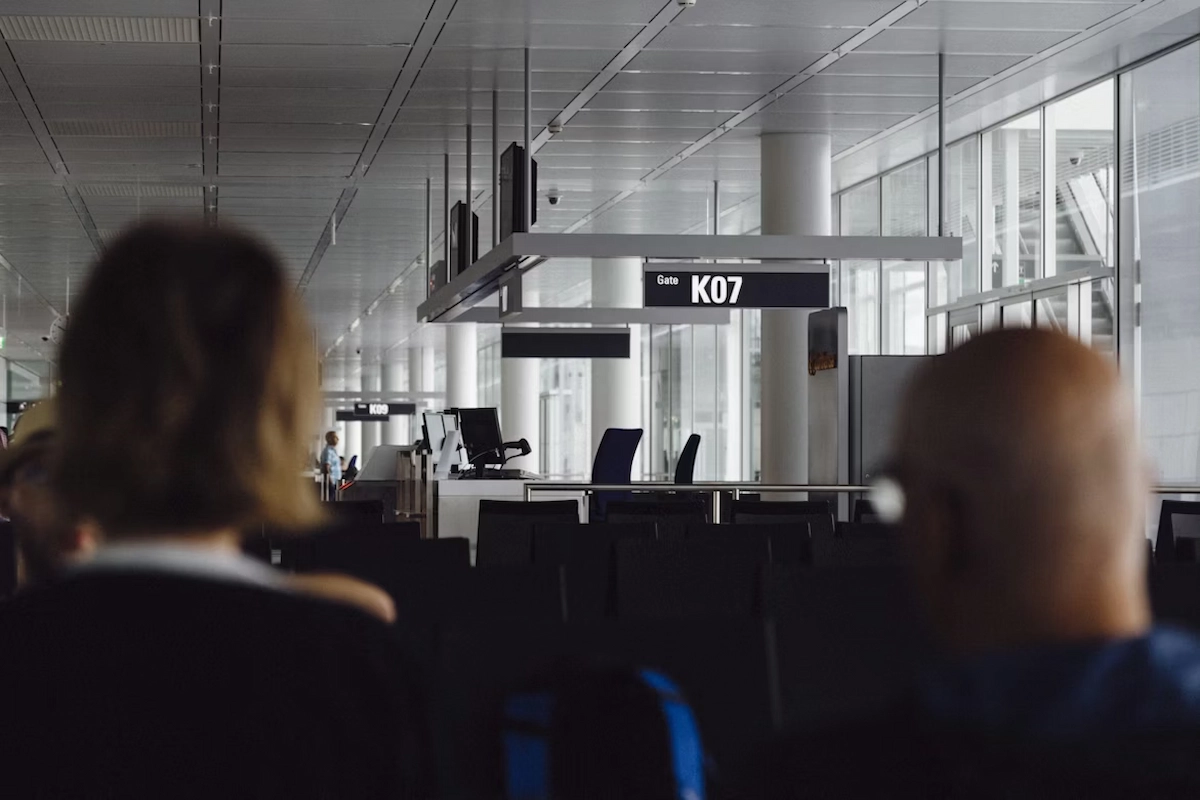
Always monitor:
- Airport screens
- Airline app notifications
- Boarding announcements
Large airports may require 15–20 minutes to walk between gates.
11. Buying the First SIM Card You See
Airport SIM cards are convenient but sometimes expensive or incompatible with certain phones. Travelers occasionally purchase plans that do not support their device or destination.
Before buying:
- Check eSIM compatibility
- Compare data packages
- Confirm activation requirements
- Research local providers
Doing quick research beforehand helps a lot.
12. Not Saving Boarding Passes Offline
Internet connections at airports can become slow or unreliable. Sometimes apps freeze at the worst possible moment.
That is why smart travelers save:
- Screenshots
- PDF boarding passes
- Passport copies
- Hotel confirmations
Offline backups are lifesavers during travel.
13. Exchanging Too Much Money at the Airport
Airport exchange offices usually offer less favorable rates than city banks or ATMs. Travelers often lose unnecessary money because they exchange cash immediately after landing.
Instead of exchanging everything immediately:
- Compare exchange rates
- Use international bank cards
- Exchange only small emergency amounts at airports
- Withdraw smaller amounts first
You can save a surprising amount of money this way.
14. Not Checking Visa Requirements for Transit Countries
Some countries require transit visas even if travelers never leave the airport.
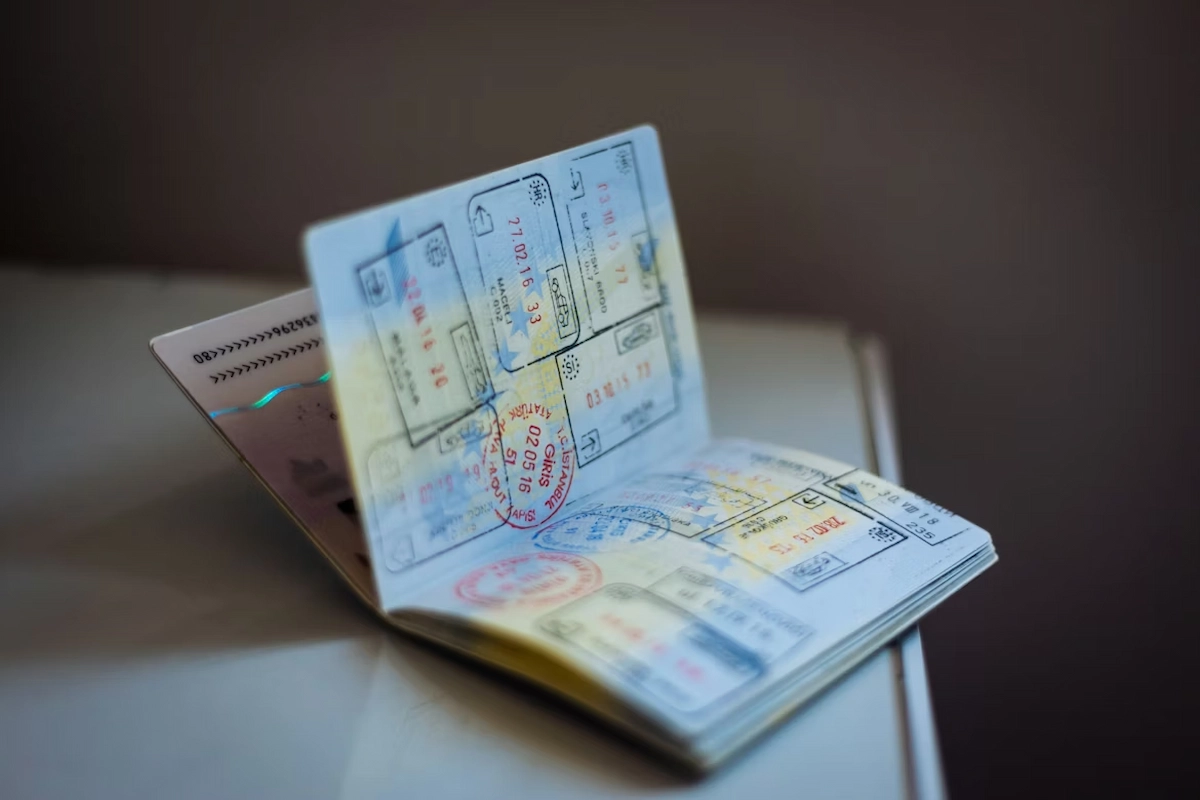
Always verify:
- Transit visa rules
- Nationality restrictions
- Airport transfer conditions
This mistake can completely ruin a trip.
15. Traveling Without Insurance
Nobody expects baggage delays, cancellations, or medical emergencies until they happen. Delayed baggage, canceled flights, medical emergencies, and missed connections can become expensive without insurance.
Travel insurance may cover:
- Medical emergencies
- Lost baggage
- Travel delays and cancellations
16. Leaving Important Items Inside Checked Baggage
Checked baggage can be delayed or lost. Some travelers accidentally pack medication, electronics, passports, or valuables inside suitcases.
Important items should always stay in cabin baggage with you:
- Medication
- Electronics
- Travel documents
- Wallets
- Chargers
17. Sleeping Too Deeply During Layovers
Long transit times can exhaust travelers. However, sleeping deeply near the gate without alarms may lead to missed flights.
If you plan to rest:
- Set multiple alarms
- Monitor boarding times
- Stay close to the gate
Some airports also offer airport lounges, sleep pods, or transit hotels for a safer and more comfortable rest experience.
18. Ignoring Airline Notifications
Airlines constantly send updates about delays, gate changes, cancellations, or boarding times. Keeping airline apps active during travel makes life much easier.

19. Carrying Prohibited Items Accidentally
Many normal everyday items are not allowed through airport security.
Common prohibited items include:
- Large scissors
- Certain tools
- Sharp objects
- Flammable products
Always check airport security rules before packing.
20. Forgetting That Boarding Closes Early
One of the biggest misunderstandings is thinking boarding closes exactly at departure time.
In reality, gates often close:
- 15–20 minutes before takeoff
- Sometimes even earlier on international flights
Arriving early at the gate is always safer.
Airport mistakes happen to almost everyone, even frequent flyers. The difference is that experienced travelers learn how to avoid small problems before they become major travel disasters. The good news is that most of these problems are avoidable with a little preparation and awareness.