
In 2026, artificial intelligence (AI) is no longer just a futuristic concept. It is becoming part of our daily lives and also an important part of modern airports. Today, AI works quietly in the background of many airport services without most passengers even noticing it.
Around the world, airports are starting to use artificial intelligence to improve security, reduce delays, manage growing passenger traffic, and make the overall travel experience much smoother. Things like faster security checks, smart baggage tracking, and biometric boarding gates that once sounded futuristic are slowly becoming part of normal air travel.
For passengers, this could mean less waiting, fewer travel headaches, and more personalized airport experiences in the future. Over the next decade, the connection between airports and AI will likely become even stronger. Some people even believe airport robots and automated systems may eventually replace certain airport jobs.
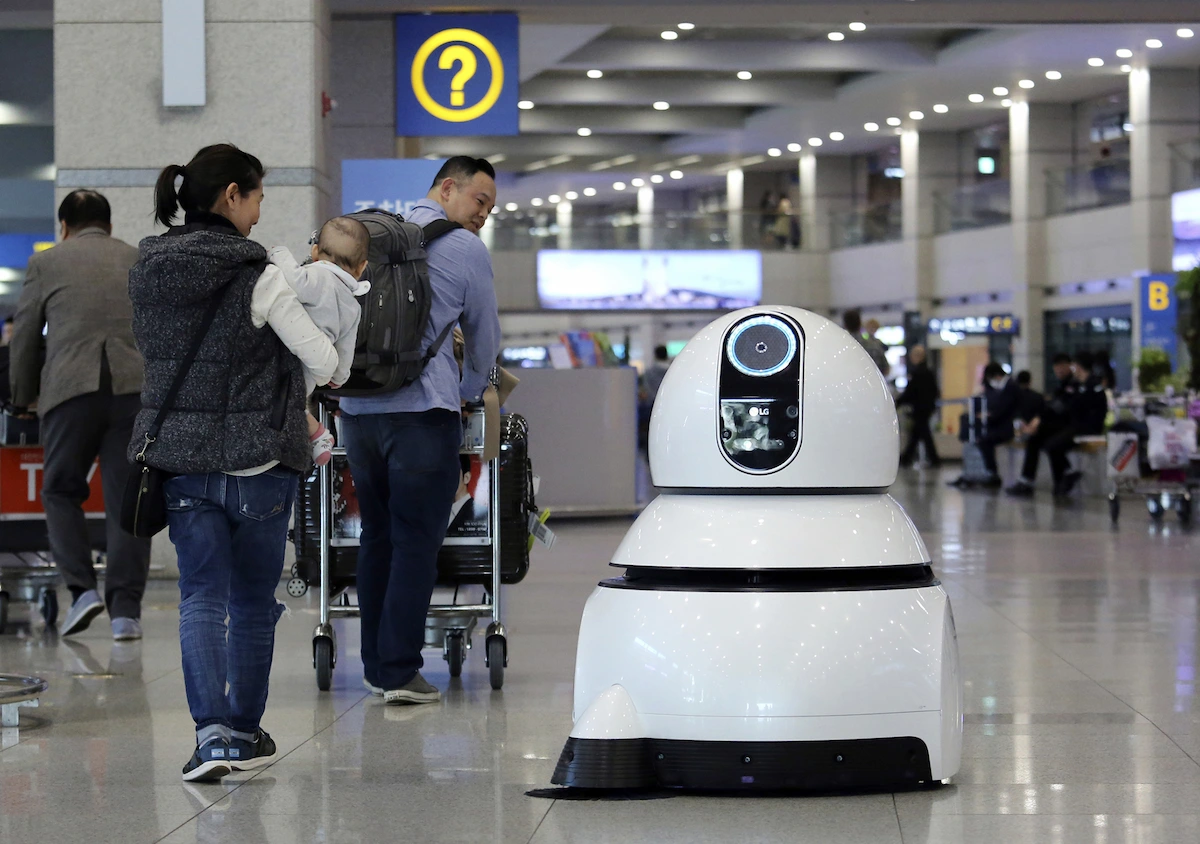
Major airports in places like Singapore, Doha, Dubai, London, and Seoul are already investing heavily in smart technologies to create faster, more modern, and more automated terminals. What used to feel like science fiction is now starting to appear in everyday travel.
Let’s Take a Look at How AI Benefits Airports!
Smarter Flow
Waiting times become much shorter across terminals.
Reliable Security
Advanced scanning algorithms reduce operational human error.
Baggage Safety
Real-time predictive tracking limits lost luggage cases.
Biometric Gates
Contactless facial recognition speeds up immigration.
Delay Predictions
Weather and traffic analysis prevents system disruptions.
Virtual Helpers
AI chatbots provide swift multilingual support.
Smarter Security and Faster Airport Checks
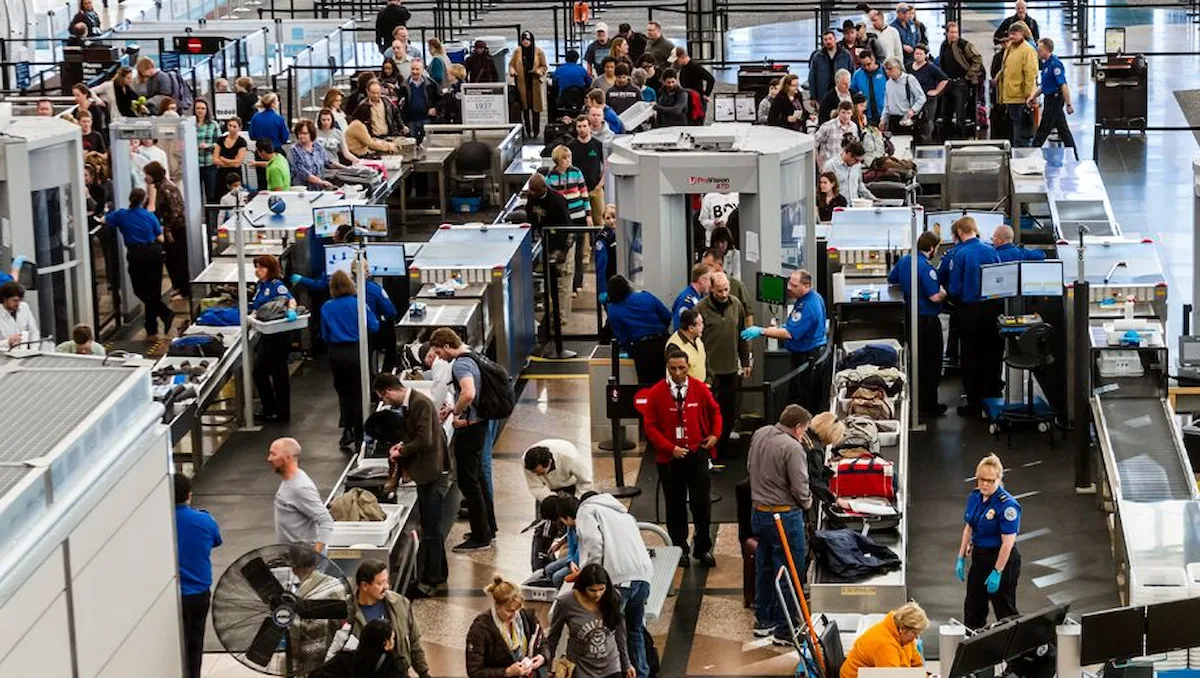
Modern airports now use AI-powered technology to predict passenger traffic, manage crowds, and reduce waiting times throughout terminals. Advanced scanners can detect prohibited items more quickly and accurately than traditional systems, while real-time data analysis helps reduce the need for manual checks.
Long security lines, confusing terminal layouts, and delayed baggage have always been some of the biggest frustrations for travelers. AI helps airports solve many of these problems by improving passenger flow and making the airport experience smoother and less stressful. Some airports also use machine learning systems to identify unusual behavior or potential security risks in real time.
As a result:
- Waiting times become shorter
- Security processes become more reliable
- Human error is significantly reduced
AI-Powered Baggage Tracking
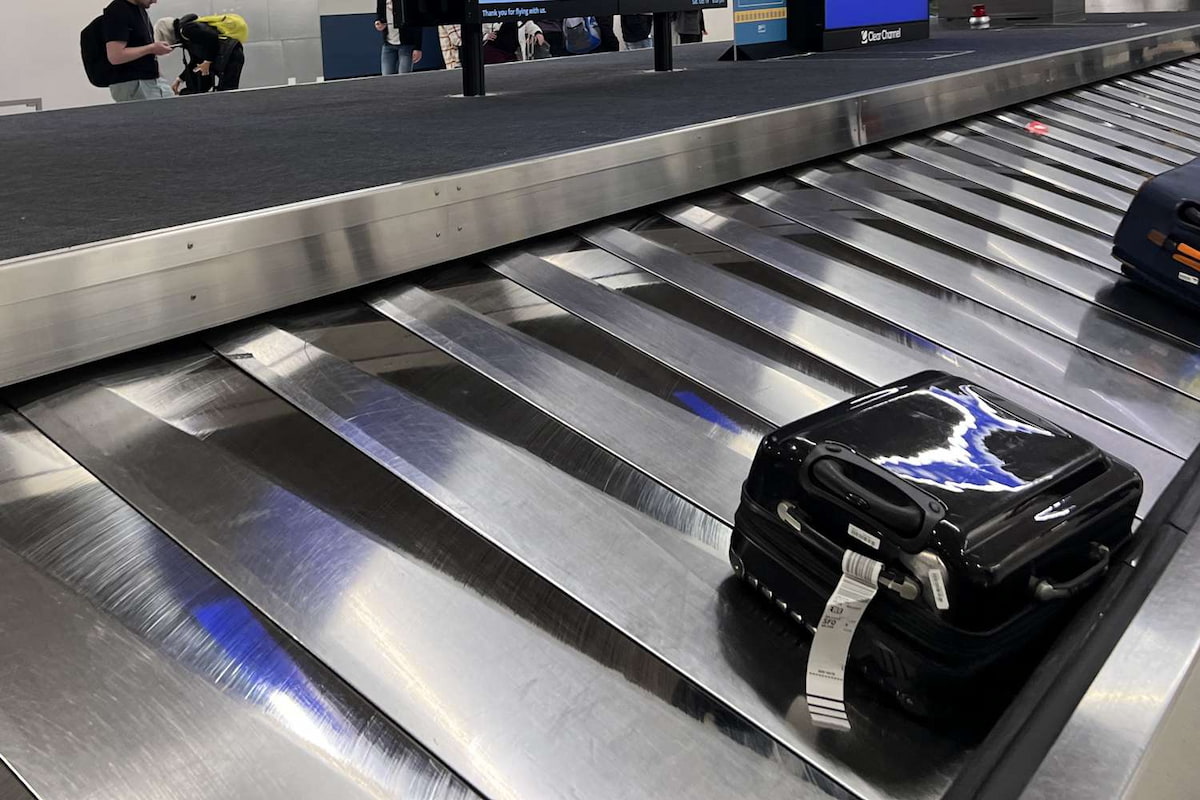
Lost Luggage remains one of the biggest frustrations for international travelers. Baggage handling is also becoming smarter thanks to artificial intelligence. AI is helping airports improve baggage accuracy and reduce mishandled luggage cases significantly.
Airports like İstanbul Havalimanı are investing in smart baggage handling technologies that:
Track Bags
Monitoring luggage movements in real time across systems.
Predict Delays
Identifying potential operational delays or misrouting ahead of time.
Automatic Reroute
Automatically rerouting passenger luggage when sudden disruptions occur.
Some airports are also testing robotic baggage systems that work with AI-powered cameras and sensors. These systems can identify suitcase sizes, tags, and routing information more efficiently than manual operations.
Biometric Boarding and Facial Recognition
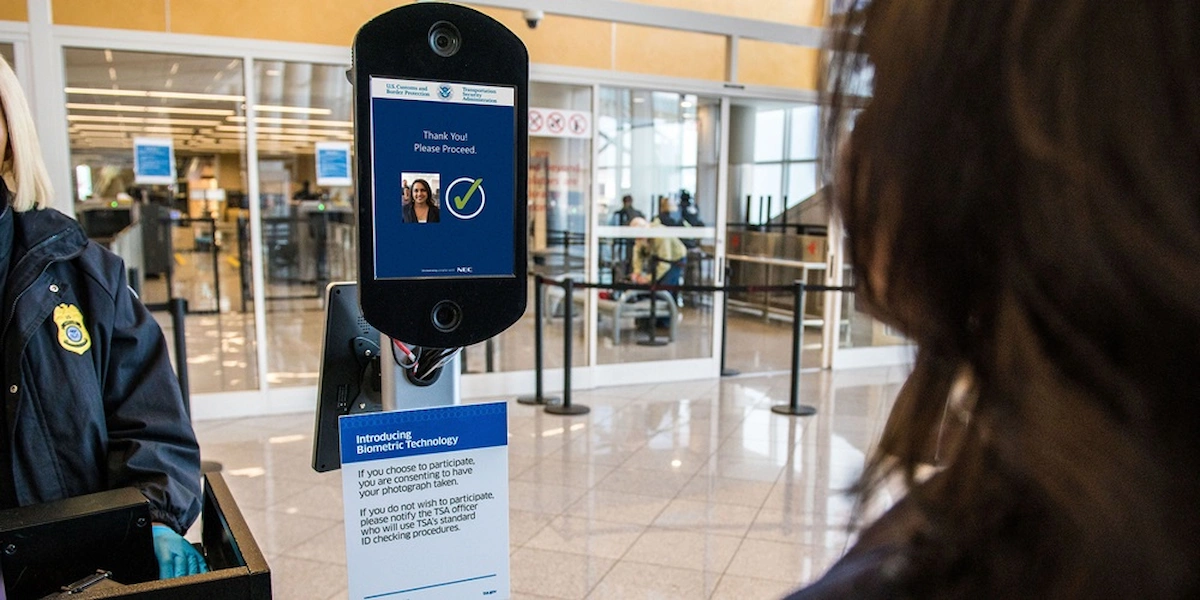
Biometric technology has become one of the most visible uses of AI inside airports. Many international airports now allow passengers to move through different checkpoints using facial recognition instead of repeatedly showing passports and boarding passes. This creates a faster and more contactless airport experience. Instead of showing passports and boarding passes multiple times, passengers can now move through checkpoints using facial recognition.
Passengers can now:
Major hubs such as Hamad International Airport are already implementing these systems.
Predicting Delays Before They Happen
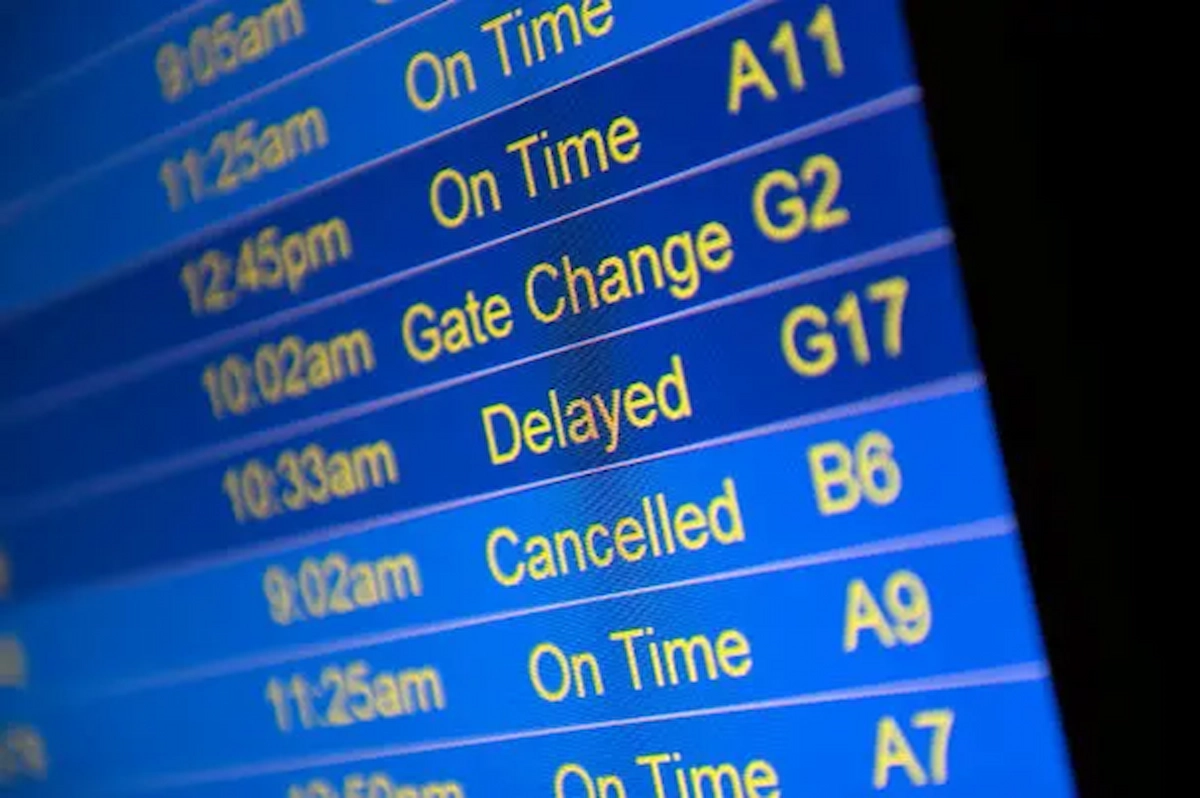
Airlines and airports are also using AI to predict delays and operational problems by analyzing weather conditions, air traffic, and operational data before they affect passengers. This allows airport operations teams to respond more quickly and minimize disruptions whenever possible. In the future, AI may even help create fully personalized airport experiences based on passenger preferences and travel history.
This allows airports and airlines to:
- Adjust flight schedules
- Optimize gate assignments
- Inform passengers in advance
In many cases, this predictive capability helps prevent delays altogether.
Virtual Assistants and AI Customer Service

Travelers can now interact with chatbots or virtual airport assistants through airport apps, kiosks, or websites to get help for:
Concerns About AI Systems at Airports
Privacy, cybersecurity, and the balance between automation and human interaction remain major topics within the aviation industry. Many travelers appreciate faster systems, but some still prefer speaking with real airport staff during stressful travel situations. Because of this, most airports are trying to combine AI efficiency with human customer support instead of replacing people completely.
Some major concerns include:
However, this also raises important discussions about data privacy and security. As airports become more connected digitally, protecting sensitive passenger information becomes increasingly important. Aviation authorities worldwide are continuing to develop regulations to ensure AI technologies remain secure and transparent.
Future Airports May Feel Like Sci-Fi Movies
The airports of the future may look very different from today’s terminals. Experts believe future airports could include:
As artificial intelligence continues evolving, airports will likely become faster, more personalized, and far more efficient than ever before. For passengers, this means one thing: faster, smoother, and more personalized journeys.
The Future of Travel Is Already Arriving at Airports
Singapore Changi Airport Expands AI and Biometric Systems
Singapore Changi Airport continues to expand its biometric passenger processing systems and automated immigration lanes. AI-powered technologies are helping reduce waiting times and improve passenger flow throughout the terminals. Facial recognition and smart corridor systems are becoming key parts of the airport’s long-term strategy to create a faster and more seamless travel experience.
The airport is also investing in:
Dubai Airports Continue Expanding Smart Gates
Dubai International Airport is also investing heavily in AI-powered biometric corridors and Smart Gate technology. Travelers can now pass through immigration using facial recognition and digital identity systems instead of traditional document checks.
Dubai’s long-term vision focuses on:
- Completely touch-free travel experience
- Smarter passport and border checks
- Faster immigration processes
- More personalized airport services
Heathrow Airport and Europe’s AI Transformation
Heathrow Airport has recently been highlighted as one of the major European airports accelerating AI integration and biometric innovation. Airports such as Frankfurt Airport, Munich Airport, Amsterdam Airport Schiphol, and Charles de Gaulle Airport are also modernizing operations with advanced AI technologies.
These upgrades include:
Looking at how quickly these technologies are developing, it seems clear that AI will play a much bigger role in airports over the next decade. Airports are expected to become smarter, faster, and far more automated, turning what once felt futuristic into a normal part of everyday travel.
Airport AI Innovation Hubs Overview
| Airport Name | Region | Primary Tech Focus | Implementation Stage | Biometrics | Baggage AI | Crowd Control |
|---|---|---|---|---|---|---|
| Singapore Changi | Asia | Automated Immigration | Advanced Expansion | Yes | ||
| Dubai International | Middle East | Smart Gates & Corridors | Full Deployment | Yes | ||
| London Heathrow | Europe | Passenger Movement AI | Active Integration | Yes | ||
| İstanbul Havalimanı | Europe/Asia | Real-Time Baggage | Active Integration | Yes |