
Air travel is a fundamental pillar of modern connectivity, relying on the mutual trust between passengers and airlines. While the vast majority of travelers respect the rules that keep the skies safe, some behaviors compromise this integrity. The "No-Fly" or "Blacklist" is the industry’s most serious measure for protecting the safety of flight crews, fellow passengers, and operational assets. If you have ever wondered what triggers this status or how to remain in good standing, understanding the "why" and "how" is your best defense.
⚖️ 1. Understanding the Blacklist: A Serious Measure
Being placed on an airline’s blacklist is not a light decision; it is a formal exclusion from the carrier's services. Unlike government-issued security lists which focus on national defense, airline-specific blacklists are created based on the carrier's "Contract of Carriage." These lists serve as a definitive record of individuals who have demonstrated a recurring or severe disregard for flight safety protocols.
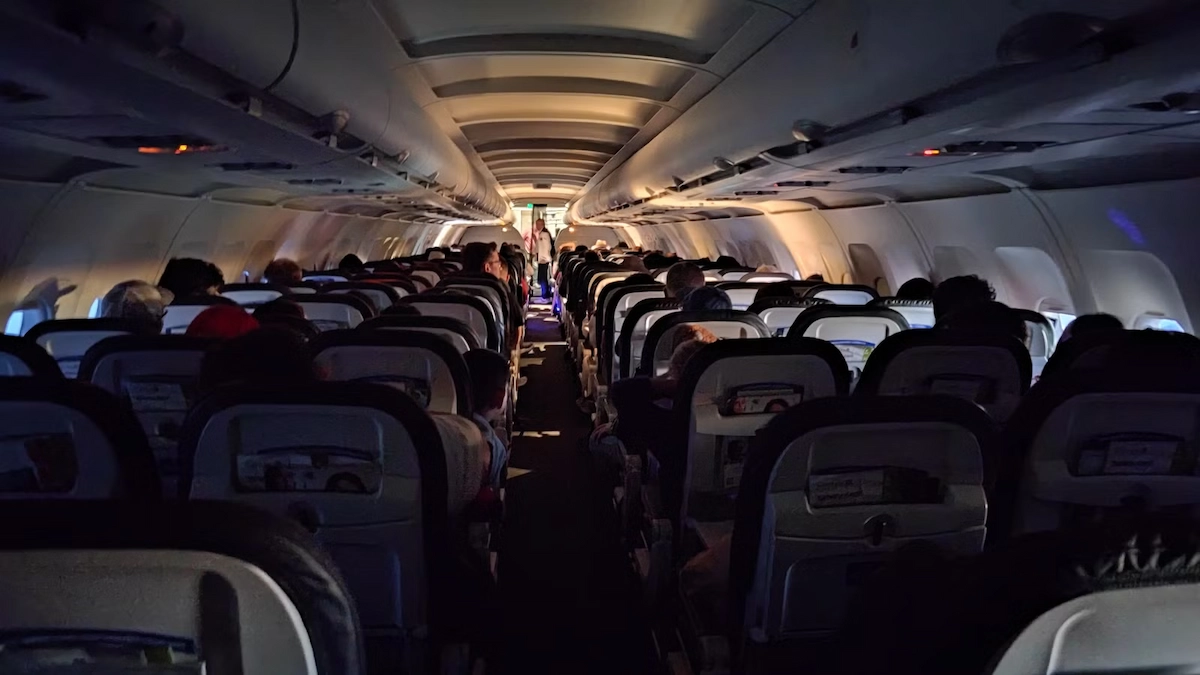
Inside the cabin environment, safety is non-negotiable. When a passenger's behavior—whether through aggression, intoxication, or non-compliance—escalates to a level that endangers the flight, the airline is legally empowered to deny future travel. Breaking down the reality of these bans helps travelers appreciate the importance of maintaining a professional and respectful attitude throughout their journey.
Let's look at the critical realities that define when and why a passenger might face a travel ban.
Disruptive Conduct
Zero Tolerance PolicyHarassment of flight crews or fellow passengers is the most common reason for immediate removal and long-term placement on a blacklist.
Safety is the airline's priority. Any threat to the crew's authority or other passengers' peace is met with severe disciplinary action.
Safety Non-Compliance
Rules are MandatoryRepeatedly ignoring crew commands, such as fastening seatbelts or stowing luggage, documents a clear pattern of willful defiance.
Crew members are trained to log such incidents. A record of non-compliance can lead to permanent travel bans on future flights.
🚨 Critical Warning
There is no "second chance" for severe Level 3 infractions. Acts that endanger the integrity of the aircraft, such as tampering with cockpit access or emergency systems, will result in immediate and permanent global blacklisting by the carrier.
✅ 2. Maintaining Your Eligibility
Staying off the blacklist is simple: treat the aircraft as a shared environment that relies on mutual respect. By following the standard airline protocols, you ensure that you remain a welcome guest on every flight.
Moderate Consumption
Avoid Alcohol IssuesHigh-altitude environments amplify the effects of alcohol. Personal consumption of alcohol on board is strictly prohibited.
Professionalism
Respect the StaffStaff are under significant pressure. Frustration regarding delays should never be projected onto them.
Respecting the airline's policies isn't just about avoiding a blacklist—it's about contributing to the safety and comfort of everyone in the skies. Keep your status clean and enjoy your future travels!
⚖️ 3. The Review Process: How Bans Are Finalized
An airline ban is not a spontaneous decision; it is the culmination of a documented corporate and legal review. When an incident occurs in the air, the airline initiates a formal investigation process[cite: 1].
📝 Incident Documentation
The flight crew submits a formal "Captain’s Report" detailing the behavior, witness statements, and any evidence collected[cite: 1].
🏛️ Committee Evaluation
The Passenger Incident Review Committee (PIRC) reviews the documentation to determine if the airline’s "Contract of Carriage" was breached[cite: 1].
🙋🏽♂️ 4. Frequently Asked Questions (FAQ)
Do you still have concerns about airline bans? Here are the expert-backed answers to the most common questions regarding passenger eligibility and travel rights.