
Airports are not just connection points-they are lifeline infrastructure during disasters. Airports are designed to handle millions of passengers, complex logistics, and constant movement-but what happens when the ground beneath them starts to shake? In this blog, we take a closer look at how modern airports are built to withstand earthquakes, explore real-life examples of seismic events affecting airports around the world, and explain what passengers should know if an earthquake happens while they are at the airport. Let’s take a closer look at what really happens inside airports when the ground starts to shake-and how engineers try to keep global air travel running under extreme conditions.

Why Modern Airports Rarely Collapse During Earthquakes?
Modern airports are designed with far more than passenger comfort in mind. Because airports are considered critical infrastructure, engineers build terminals using advanced seismic standards that focus on both passenger safety and operational continuity during major earthquakes.
Airport structures are generally designed around two key objectives:
- Preventing structural collapse and protecting passengers
- Keeping critical airport operations functional after the earthquake
To achieve this, engineers use highly flexible structural systems capable of absorbing seismic energy without sudden failure. Large terminal roofs are often built using lightweight steel systems that reduce the total structural load during earthquakes. Airports also include multiple load paths, meaning if one part of the structure is damaged, other sections continue supporting the building. In reality, airports may experience controlled and repairable damage during strong earthquakes, but modern terminals are designed to avoid catastrophic collapse and maintain essential operations.
The Hidden Technology That Helps Airports Survive Massive Quakes
Many travelers never realize how much hidden technology exists beneath modern airports. Today, some airports use advanced seismic protection systems such as base isolation and energy dissipation technology.
Elastomeric Bearings
Heavy-duty rubber buffers that isolate the main terminal from violent ground shocks.
Friction Pendulums
Special shifting joints that allow massive structures to glide smoothly during shifts.
Viscous Dampers
Giant shock absorbers acting like car suspension to actively minimize building vibrations.
Tuned Mass Systems
Massive internal counterweights balancing sway and lowering overall structural stress.
The Invisible Systems Keeping Airports Alive After Disaster
Even if the terminal survives structurally, airports still depend heavily on power, communication, and digital systems to continue operating. In many cases, these “invisible systems” are just as important as the buildings themselves.
Critical airport infrastructure includes:
- Emergency power systems & backup generators
- Advanced navigation equipment
- Secure communication networks
- Flexible fuel connections & automated baggage handling systems
Modern airports are built with extensive redundancy to avoid single points of failure. Backup electrical systems, redundant communication routes, and flexible fuel connections all help airports remain operational during emergencies. Without these hidden systems, airport operations could stop even if the building itself remains standing.
Can Air Traffic Control Towers Survive a Major Earthquake?

Air traffic control towers are among the most important structures at any airport. During an earthquake, even small disruptions to air traffic operations can affect thousands of flights and passengers. Because of this, control towers are often designed using stricter seismic standards than many ordinary buildings.
Key structural safety measures may include:
- Reinforced structural concrete cores
- Enhanced vibration control systems & reduced drift limits
- Backup control rooms & remote failover systems
Some airports even maintain secondary operational centers capable of temporarily replacing the main tower if needed, guaranteeing that airspace management never goes completely dark.
Why Airports Become Emergency Lifelines After Earthquakes?
After major earthquakes, airports quickly become emergency response hubs for entire regions. They act as vital lifelines by supporting search and rescue operations, handling critical medical evacuation flights, receiving humanitarian aid deliveries, and managing emergency logistics or civilian evacuations. Large airports such as İstanbul Airport are planned with crisis management areas and scalable emergency operations specifically designed for disaster situations.
How Engineers Test Airports for Earthquake Scenarios
Engineers use advanced simulations and seismic analysis tools to study how airport structures react under different earthquake conditions. Testing methods often include shake-table testing, detailed structural simulations, nonlinear seismic analysis, and real-time sensor monitoring to catch weak links before a real disaster strikes.
Real-World Cases: Airports Affected by Earthquakes
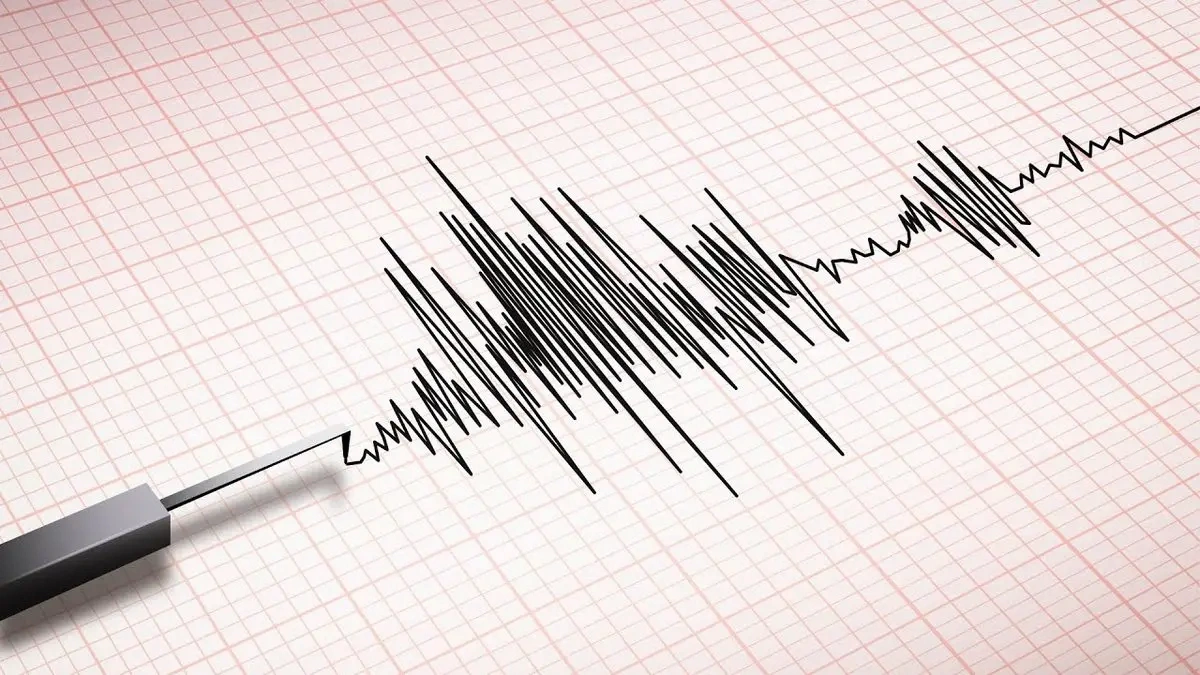
Seismic Event Impact History
| Airport Name | Seismic Event | Main Damage Observed | Operational Impact |
|---|---|---|---|
| Sendai Airport | 2011 Tōhoku | Tsunami inundation, runway debris, flooded navigation grids | Complete Shutdown |
| Kobe Airport | 1995 Hanshin | Collapsed link infrastructure, local communication glitches | Capacity Dropped |
| Hatay Airport | 2023 Kahramanmaraş | Severe runway splitting, major asphalt deformation | Flights Suspended |
| Christchurch Airport | 2011 Canterbury | Surrounding soil liquefaction, minor pavement stress | Partially Active |
What Should You Do If an Earthquake Happens at an Airport?
Modern airports are built to handle seismic activity, but during an earthquake, personal safety still depends heavily on how people react in the first few moments. Here’s what passengers should know if an earthquake happens while they are inside an airport.
During the Earthquake: Stay Calm and Protect Yourself
The first few seconds are usually the most important. Panic and sudden crowd movement can sometimes create more danger than the earthquake itself. Drop to the ground, cover your head and neck, and hold on until the shaking stops. Do not rush outside immediately—the safest option is usually staying where you are until the main shaking slows down.
Essential Airport Safety Guidelines & Actions:
Avoid Hazardous Zones
If you can safely move a short distance, try to avoid large windows, glass walls, hanging signs, ceiling fixtures, and heavy decorative structures.
Forget Your Luggage
Suitcases can always be replaced. Personal safety cannot. Keep your hands free, protect your head and neck, and focus completely on staying stable.
What Happens After the Shaking Stops?
Evacuate calmly if airport staff instruct you. After the earthquake, airport authorities may begin controlled evacuations depending on the situation. Controlled evacuation helps reduce crowd panic and prevents additional injuries. Passengers should listen to staff instructions and follow illuminated emergency exit signs.
Move toward open safe areas and try to stay away from:
- Main terminal buildings
- Jet bridges & boarding tunnels
- Fuel service or hazardous storage areas
- Glass-heavy structures