
For many passengers, the airport journey changes completely after passing through security control. Before security, travelers are usually focused on check-in, baggage, documents, and reaching the correct terminal area. After security, the experience becomes calmer. Passengers have fewer tasks and more waiting time before boarding.
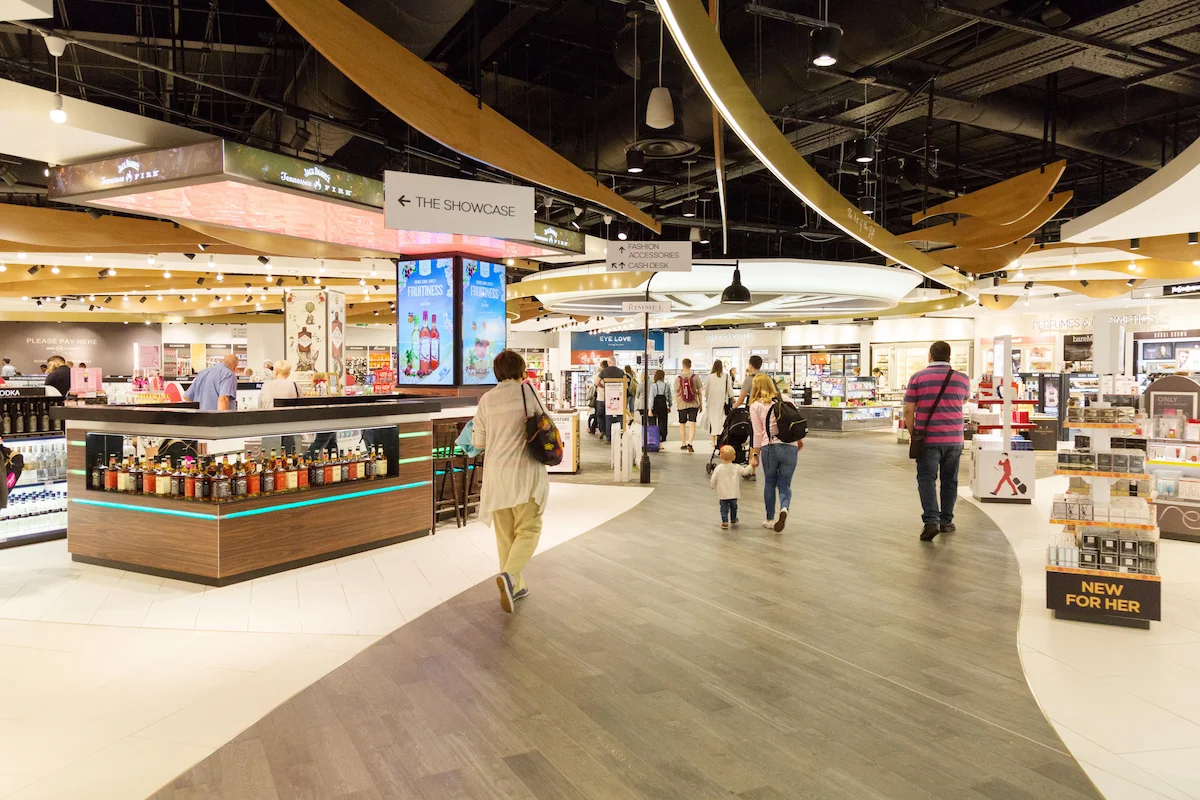
This period between security control and boarding is one of the most important moments inside modern airports. Passengers walk through shops, restaurants, lounges, and waiting areas while they wait for their flights. Because of this, airports carefully plan this part of the passenger journey. The goal is not only to create business opportunities but also to provide a comfortable and organized travel experience.
What Is the Golden Hour in an Airport?
The term “Golden Hour” describes the valuable time passengers spend inside the airport after completing security checks. It does not mean exactly one hour. For some passengers, it can be 30 minutes, while for others it can be several hours.
Waiting Time
The period between security control and boarding.
During this period, passengers usually have fewer responsibilities. Their bags are already checked, their boarding pass is ready, and they are waiting for their flight.
This creates a different environment where people are more likely to explore the terminal. Airports carefully design these spaces so passengers can easily find gates, restaurants, shops, and other services.
Why Is the Time After Security So Valuable?
After security control, passengers enter a controlled airport area. In most cases, they cannot simply leave the terminal and return whenever they want. They stay inside the departure area until their flight begins boarding. This makes the post-security area very important for airports.
Passengers have time to:
Buy Food and Drinks
Passengers can visit cafes and restaurants while waiting for their flights.
Visit Duty-Free Shops
Many travelers explore shopping areas before reaching their gates.
Walk Around the Terminal
Passengers can explore the airport and move comfortably before boarding.
Relax Before the Flight
Waiting areas and lounges give passengers time to rest before departure.
Use Airport Services
Passengers can access services such as lounges, charging areas, and information points.
Check Flight Information
Passengers should follow flight screens to see gate updates and important announcements.
For airports, this period creates more opportunities to offer services. For passengers, it creates a more comfortable and organized waiting experience.
How Do Airports Understand Passenger Behavior?
Modern airports handle thousands of passengers every day. To manage this large movement, airports study how people use different areas inside the terminal. The goal is to improve passenger flow and create a smoother airport experience.
Passenger Data
Airports collect information about movement, waiting times, and busy areas.
Analyze Behavior
Teams study how passengers walk, wait, and use airport services.
Improve Experience
The results help improve signs, seating areas, and passenger routes.
Airports use this information to understand how people use the space. The purpose is not to control every decision, but to make movement inside the terminal easier and more organized.
Does Airport Design Encourage Spending?
Airport design can influence what passengers notice during their waiting time. Shops, restaurants, and services are often placed along common walking routes between security areas and gates.
Security
Passengers enter the departure area after completing security checks.
Shopping Areas
Duty-free stores and services appear along passenger routes.
Food & Relaxation
Passengers can eat, drink, and spend time before boarding.
Gate Area
Passengers finally continue to their boarding area.
Does Airport Design Make Everyone Spend Money?
Not necessarily. Some passengers shop, while others simply wait, use their phones, or relax. Airport design creates opportunities, but passengers still decide how they use their time.
Why Do Passengers Spend More Time and Money After Security?
There are several reasons why passengers may spend more after security. After completing security checks, travelers often feel more relaxed and have more time before boarding. This can change how they use the airport environment.
1. Less Travel Stress
After security, passengers usually feel calmer because documents, baggage, and terminal checks are already completed.
2. More Waiting Time
Passengers with one or two hours before boarding may look for food, drinks, shopping, or activities.
3. Airport Environment
Stores, advertisements, lighting, and comfortable spaces can attract passenger attention.
Spending Is Still a Personal Choice
Although airports create opportunities for shopping and services, not every passenger spends money. Many travelers simply relax, use their phones, or wait near their gates until boarding begins.
Is Passenger Time Controlled by Airports?
Airports cannot completely control what passengers do. A traveler decides whether to shop, eat, walk around, or simply wait. However, airport design can influence movement. The location of gates, shops, restaurants, and signs affects where passengers go and what they see.
Airport Balance System
Modern airports try to balance passenger comfort, operations, and business needs.
Easy Passenger Movement
Clear signs and organized routes help travelers find their way easily.
Efficient Airline Operations
Airports must support flight schedules, gates, and aircraft movement.
Business Opportunities
Shops and restaurants provide services for passengers during waiting time.
Comfortable Waiting Areas
Passengers need places where they can relax before boarding.
The Main Goal
The purpose of airport design is not only commercial success. A successful airport creates a balance where passengers can travel comfortably while airlines and businesses can operate effectively.
The Future of Airport Time Management
Airports are becoming smarter every year. New technologies help airports understand passenger movement and improve the travel experience. Digital signs, mobile applications, and smart systems help passengers find information faster. At the same time, airports continue developing commercial areas and services.
Smart Information Systems
Digital signs and mobile applications help passengers find flight details and directions faster.
Passenger Movement
Smart systems help airports understand how people move and improve terminal planning.
Better Travel Balance
Airports try to balance passenger comfort, smooth operations, and business needs.
The Main Idea of the Golden Hour
The Golden Hour shows how modern airports manage the time between security and boarding. It is a combination of passenger comfort, airport operations, and business planning. For travelers, the most important thing is simple: enjoy the airport experience but always remember the boarding time.