
Have you ever rushed through a terminal and felt that sinking feeling that you forgot something? Now, imagine leaving behind a live python, a million-dollar violin, a wheel of artisanal cheese, or an urn of human ashes. Airport lost-and-found vaults are secret museums of human stress, chaos, and mystery.
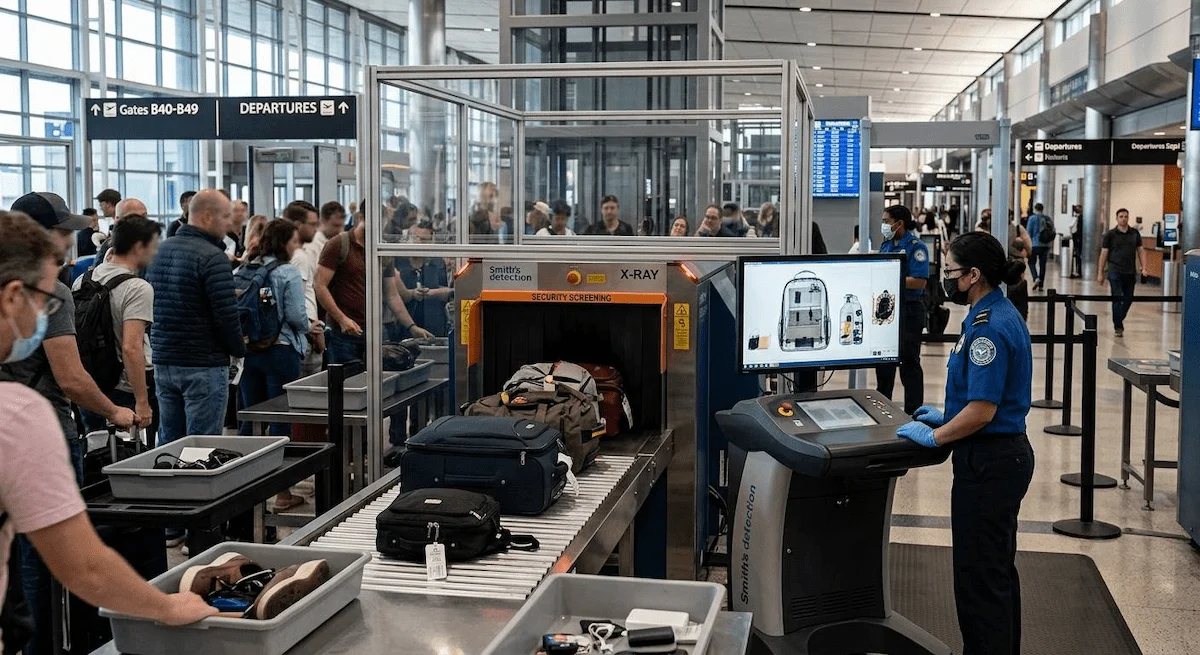
Behind the unmarked doors of every major terminal sit shelves of objects that tell the story of every rushed connection, every emotional goodbye and every panicked security screening. Here are the 20 strangest things travelers have ever abandoned at airports — and what actually happens to them afterwards.
Lost Property at a Glance
30 – 90 Days
Standard Holding Period
Public Auction
Fate of Unclaimed Bags
Immediate
Disposal of Perishables
Law Enforcement
Valuables & Illegal Cargo
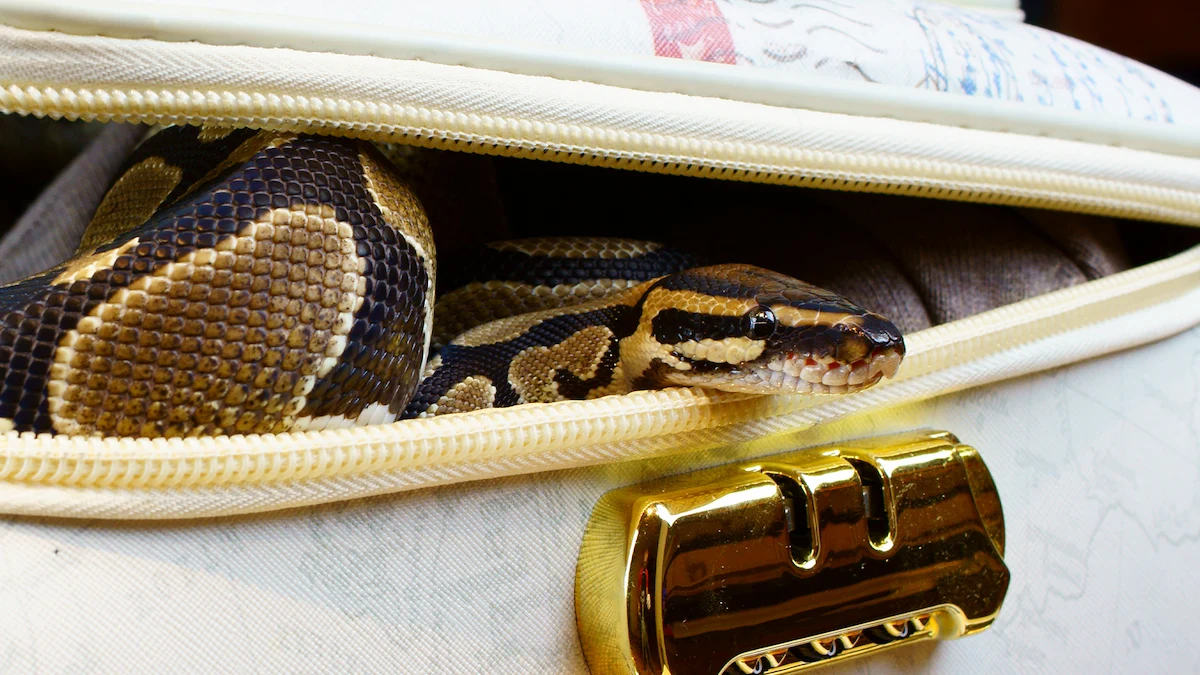
01 Slithering Surprises: Live Animals Left Behind
It is hard to fathom walking away from a security checkpoint and forgetting you were traveling with a living creature. Yet, airport security teams regularly find abandoned fauna — from rare turtles hidden in carry-on bags to snakes left underneath terminal seating.
The parrot mystery: In one notable incident, a passenger left a highly vocal parrot near a duty-free shop, overwhelmed by transport paperwork. The bird was reportedly announcing its own presence long before anyone worked out who it belonged to.
The aftermath: Airport personnel work swiftly with wildlife vets to rehome these animals far away from the roar of jet engines. Species protected under international trade rules are handed directly to customs and conservation authorities rather than to a lost-property desk.
02 High-End Heartbreak: Wedding Dresses and Engagement Rings
Airports are backdrops for reunions, but they also witness silent, sudden ends. Pristine, high-end wedding dresses still sealed in their garment bags and sparkling engagement rings left on restroom shelves are surprisingly common finds in terminal storage rooms.
Some of these losses are pure logistics: a gown handed to a travel companion, a ring removed before a metal detector and never retrieved. Others are something else entirely.
"Behind every abandoned wedding dress lies either a panicked mix-up or a cinematic, last-minute breakup before boarding."

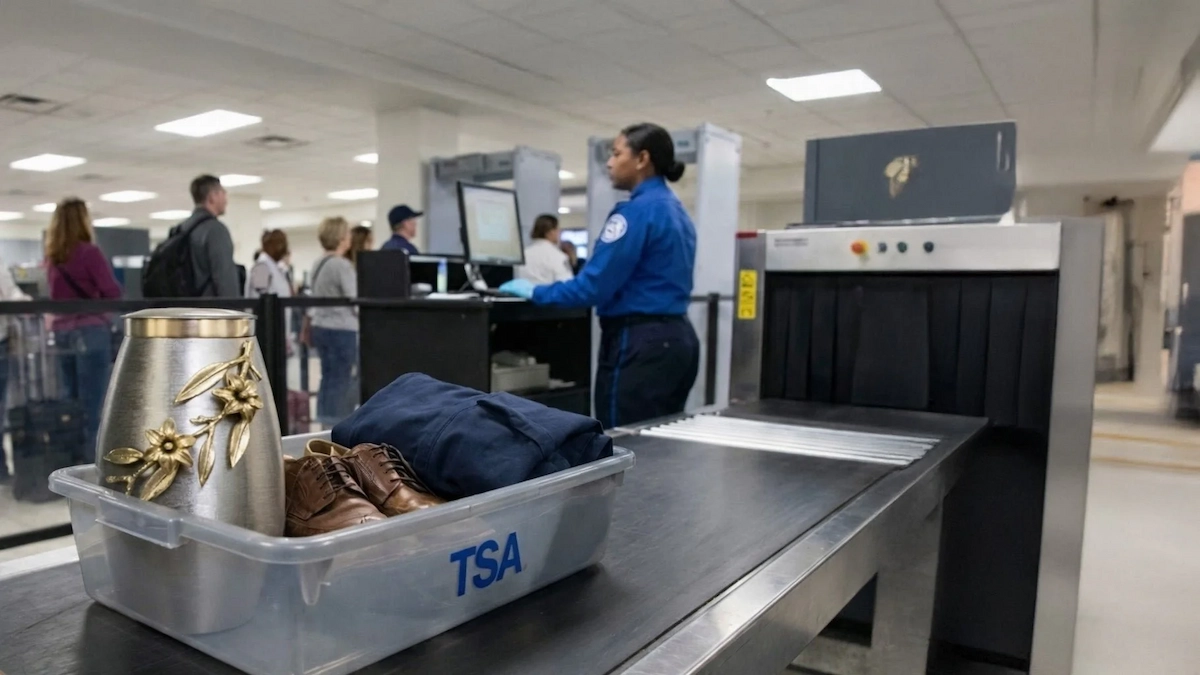
03 Grim Discoveries: Human Ashes in Glass Jars
Among the most sombre finds are urns and glass jars containing human ashes. Due to the intense emotional weight and strict screening regulations, stressed travelers sometimes place the jar down during security checks and board without it.
Staff handle these items with deep reverence, storing them separately from general lost property while they work to track down grieving families. If you are flying with a loved one's remains, carry the crematorium certificate and allow extra time at screening — it is the single best way to avoid a heartbreaking separation.
04 Surreal Props: Mannequin Heads and Prosthetic Limbs
Walking into a terminal's lost-and-found storage can feel like stepping onto a horror movie set. Professional makeup artists frequently leave bulk bags of mannequin heads behind after trade shows and training sessions.
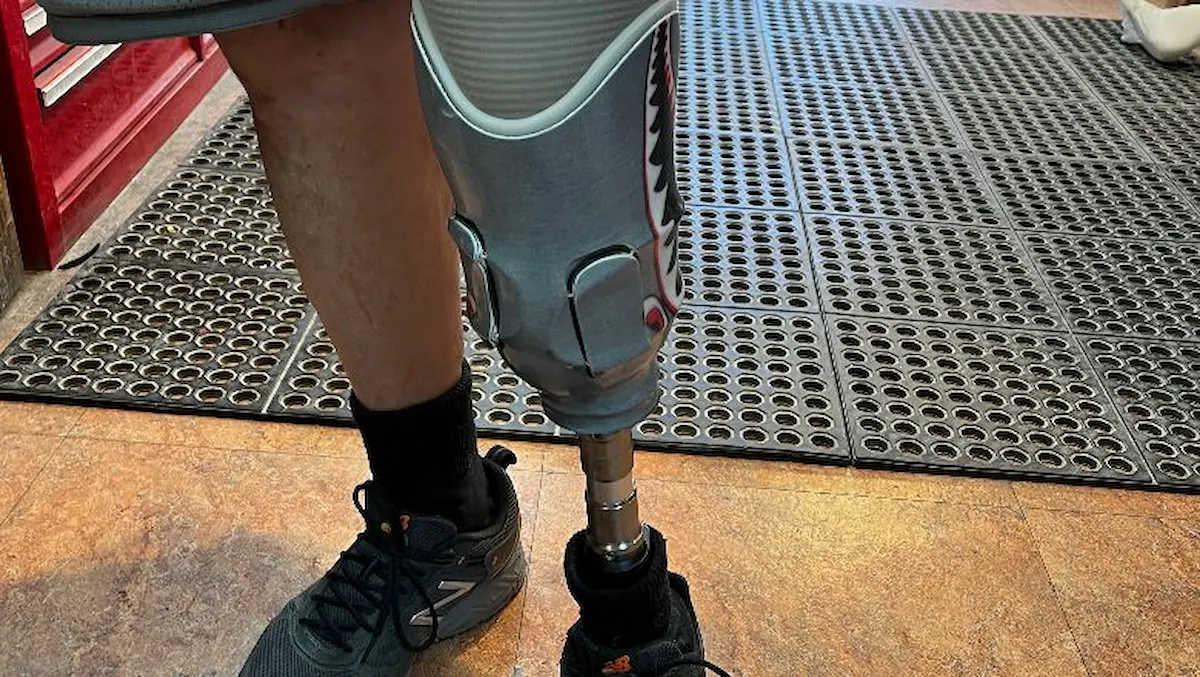
More shockingly, high-tech prosthetic limbs packed in separate luggage are regularly forgotten during chaotic layovers. These are treated as urgent, high-priority cases: a missing prosthetic is not an inconvenience but a medical emergency for its owner.
05 Multi-Million Dollar Meltdowns: Priceless Instruments
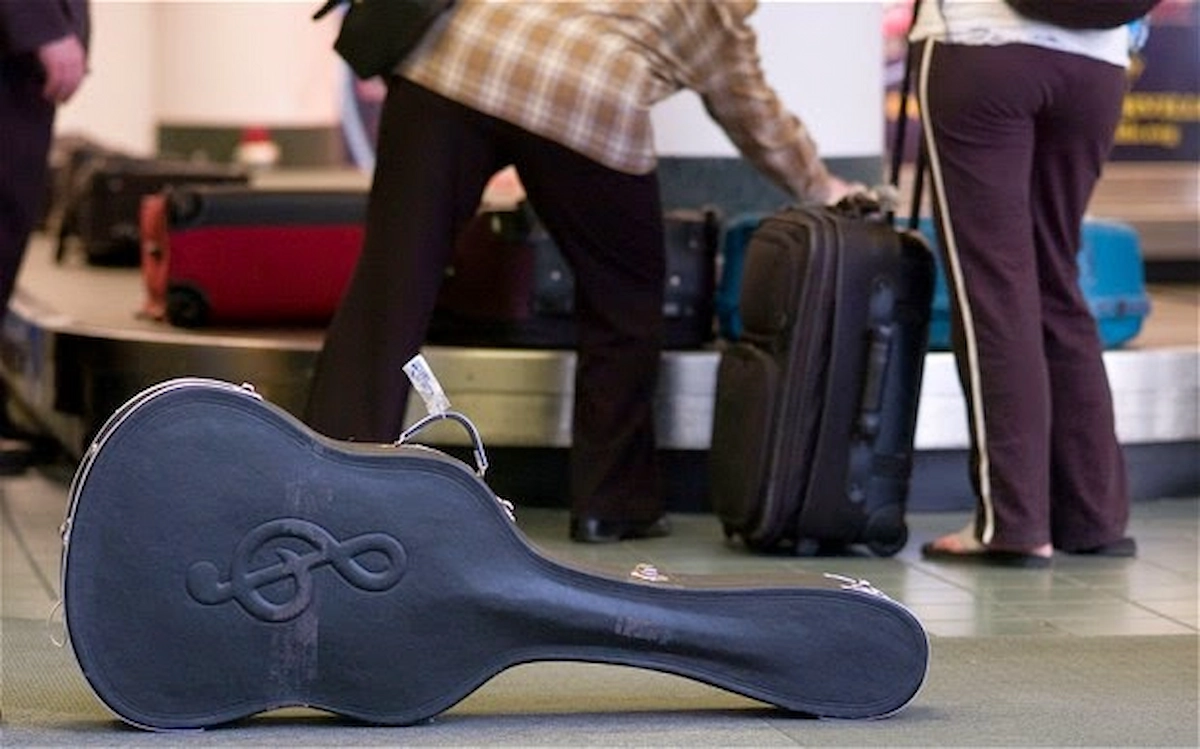
Renowned musicians traveling with centuries-old violins or custom cellos sometimes set their fragile, multi-million dollar instruments down at a terminal cafe while fighting severe jet lag — and walk away.
Fortunately, their unique and instantly identifiable nature means they are almost always successfully reunited with their panicked owners. A named historic instrument is effectively impossible to sell anonymously, so recovery rates in this category are exceptionally high.
06 Melting Cargo: High-End Frozen Seafood
International passengers transporting culinary delicacies often pack giant crabs and sashimi in dry ice and styrofoam boxes. If these are left behind at baggage claim, staff face a ticking clock.
As the ice melts, the thawing seafood quickly compromises the facility, triggering strict immediate disposal rules. There is no holding period and no appeal — hygiene teams remove the cargo the moment it becomes a contamination risk.

07 The Intimately Unclaimed: Dentures, Wigs, and Glass Eyes
High-end wigs removed during long layovers, sets of dentures wrapped in in-flight napkins, and even custom-made glass eyes show just how deeply travel anxiety and exhaustion can impair basic human mindfulness.
These items are rarely claimed, largely because owners are too embarrassed to call — despite the fact that lost-and-found staff handle them entirely without comment.

08 Illicit Fortunes: Suitcases Stuffed with Cash and Gold
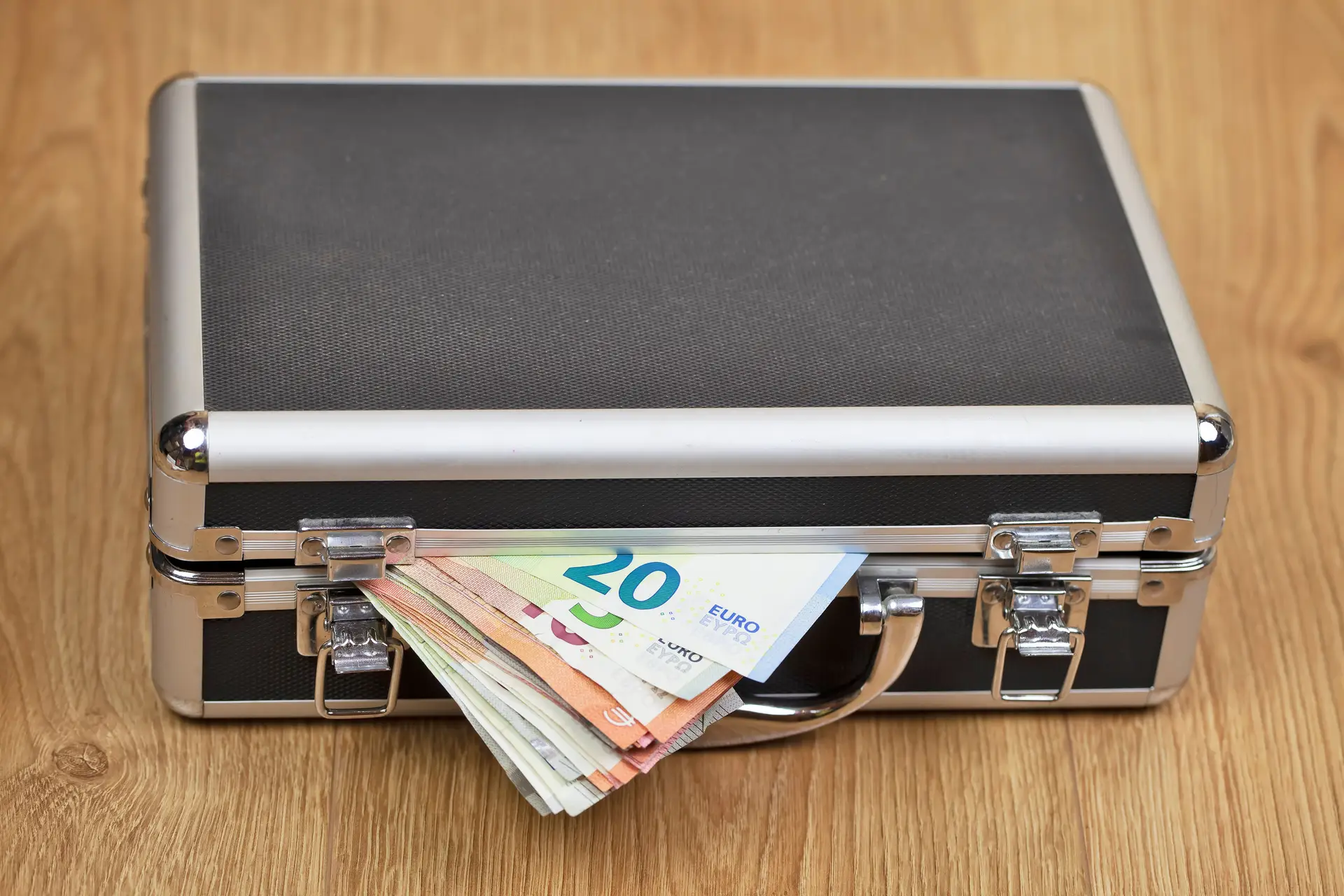
Security teams occasionally stumble upon backpacks stuffed with cash, heavy gold bullion, and crypto hardware wallets. While some genuinely belong to disorganised ultra-wealthy travelers, a large percentage is tied to smugglers.
Faced with a K-9 unit and an imminent arrest, a courier may simply walk away from millions and disappear into the departures hall. Anything in this category bypasses lost-and-found completely and goes straight to law enforcement for investigation.
09 Heartbreaking Leftovers: Forgotten Children's Toys
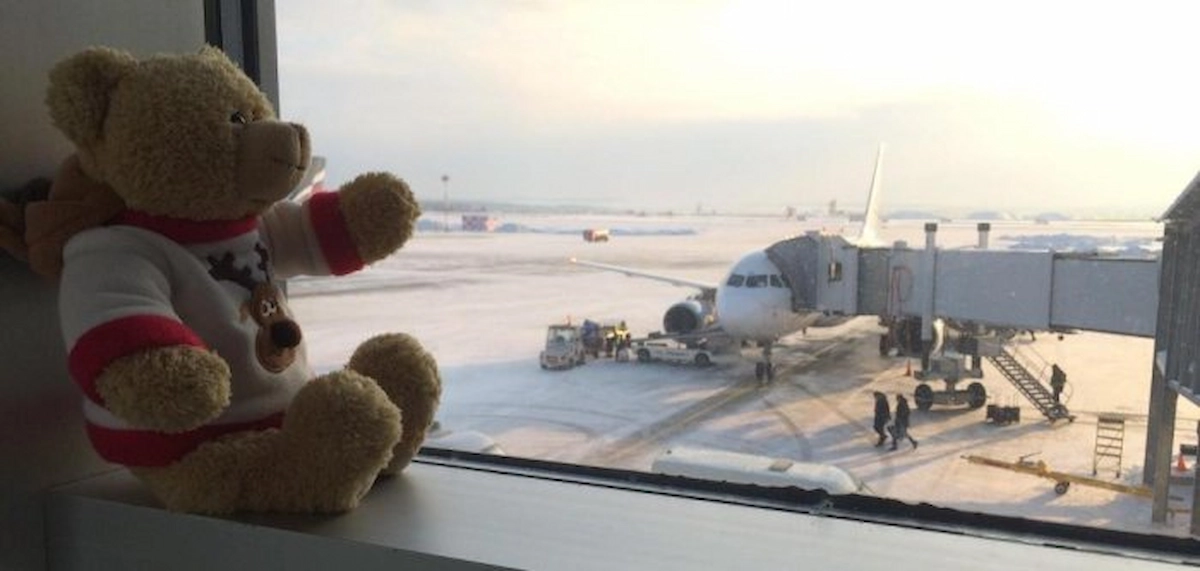
Faded teddy bears and well-worn dolls sit silently on the shelves, usually for longer than anything else. Because parents are overwhelmed by flight schedules, strollers and boarding queues, they often do not notice the loss until they are miles away.
Many airports now run creative social media campaigns, photographing these lonely toys "exploring" airport lounges, riding baggage belts or visiting the control tower in order to find their young owners.
10 High-Stakes Tech: Drones and High-End Camera Gear
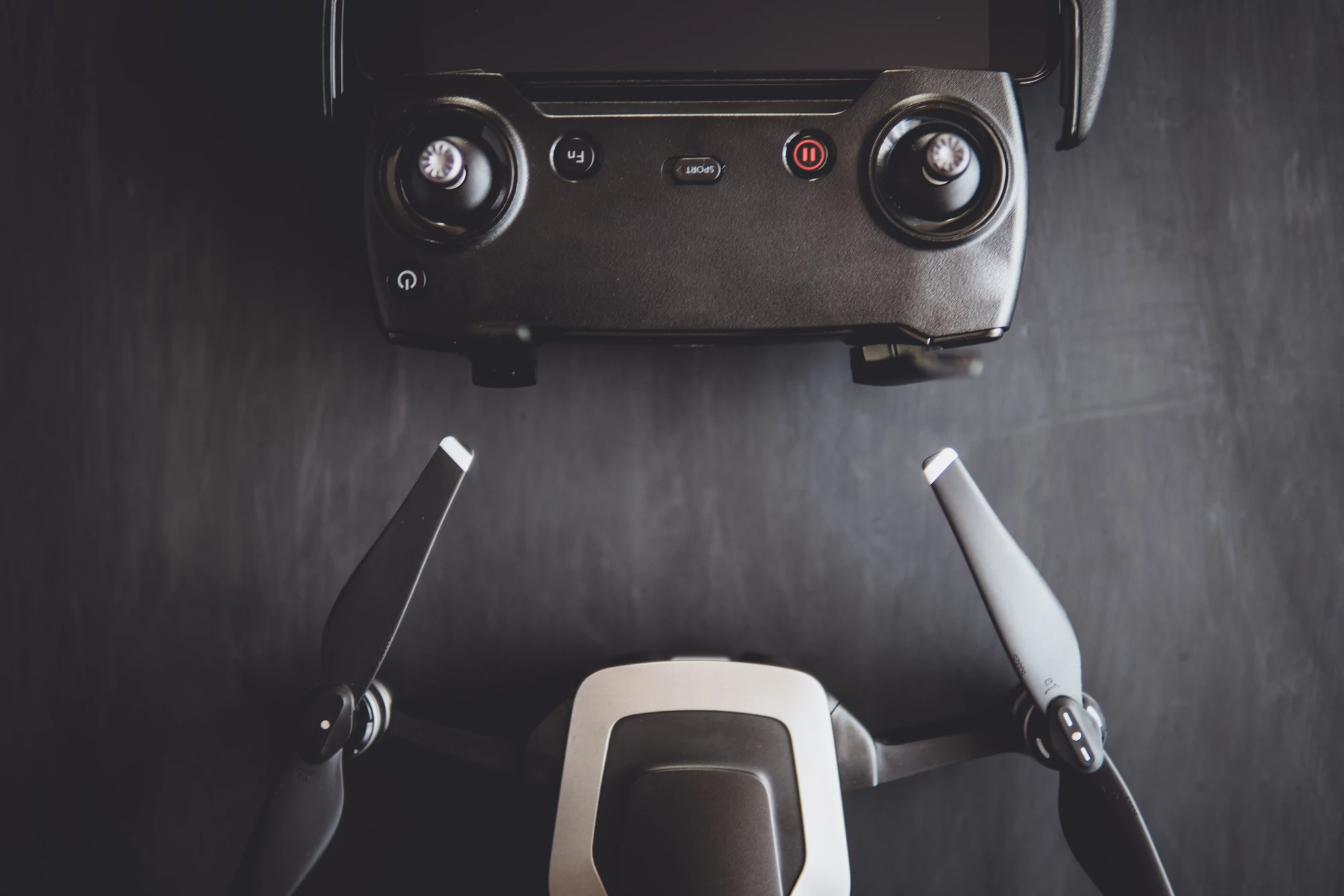
Professional videographers and content creators often travel with tens of thousands of dollars worth of equipment, including cinema-grade mirrorless cameras, heavy stabilisation gimbals and aerial drones.
Exhausted after a gruelling overseas shoot, creators frequently unclip their gear at airport charging stations or gate seating areas to power up before boarding — only to rush off when their zone is called and leave their entire livelihood sitting on a terminal bench.
11 Bizarre Botanical Cargo: Rare Exotic Plants and Bonsai Trees
While animal smuggling gets plenty of attention, plant lovers also push the limits of airport security. Lost-and-found departments frequently log rare, highly regulated botanical specimens — from delicate bonsai trees that take decades to grow to illegal orchids smuggled in bubble wrap.
Because agricultural laws strictly prohibit bringing uninspected foreign flora across borders, these abandoned plants face swift destruction by customs quarantine teams, regardless of their age or value.

12 Industrial Scale Mix-Ups: Portable Retail Displays and Trade Show Booths
Airports do not just service vacationers; they are transit hubs for traveling professionals, inventors and entrepreneurs moving between conventions.
Security teams have occasionally found entire portable pop-up retail display booths, promotional banner stands and cases of prototype merchandise left behind by stressed sales reps rushing to catch connecting flights after major industry conventions.

13 The Ultimate Forgotten Flex: Luxury Sports Car Keys and Yacht Papers
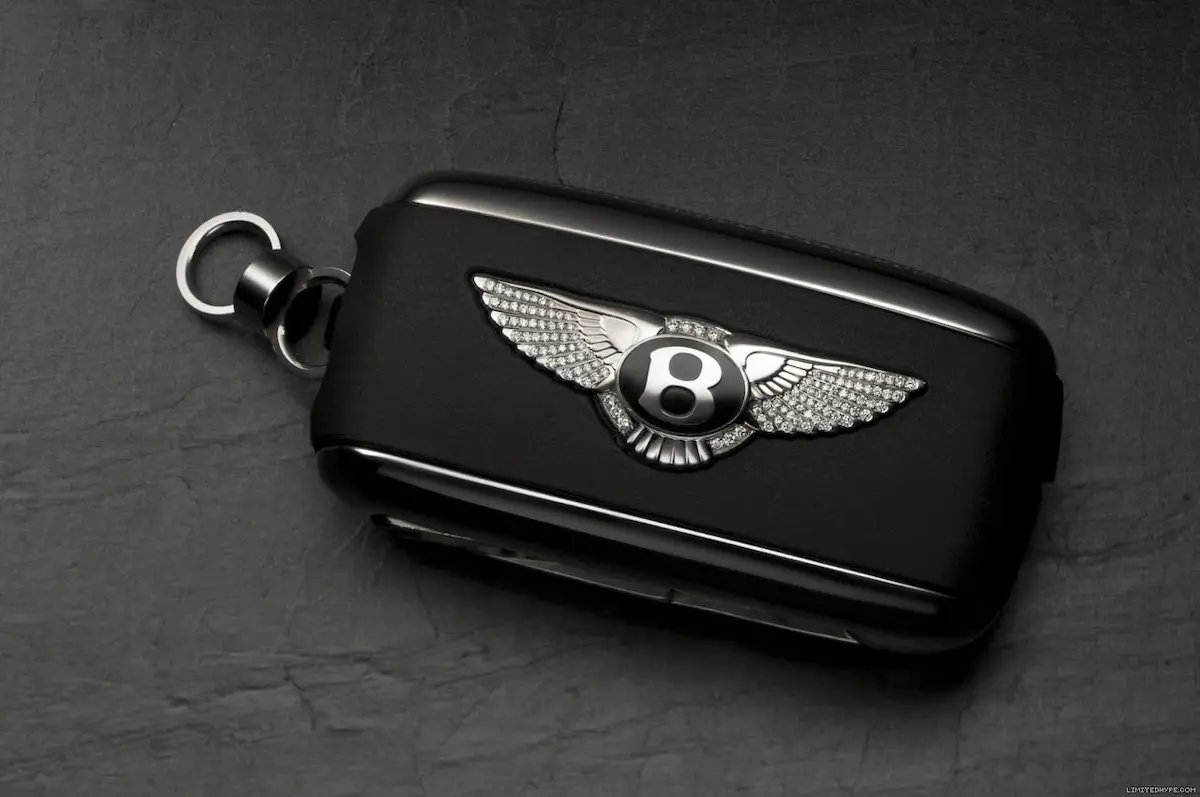
For the ultra-wealthy, luxury items can sometimes feel entirely disposable. Airport lost-and-found vaults have catalogued heavy platinum-encrusted key fobs for exotic supercars — Ferraris and Lamborghinis among them — along with original paperwork and leather-bound deeds for private yachts.
Almost all of these are emptied from pockets during security screening, dropped into a tray, and quietly left behind in the rush to the gate.
14 Academic Crises: Centuries-Old Manuscripts and Master's Theses
The academic world is not immune to travel brain fog. University professors and visiting researchers flying home from international archives occasionally leave behind rare historic manuscripts and physical copies of untranslated texts.
Most devastating of all is the recurring case of the sole printed master's thesis — five years of work sitting in a plastic folder on a departure-lounge seat, with no backup in the owner's bag.

15 Culinary Contraband: Entire Wheels of Artisanal Cheese
Travelers frequently attempt to pack massive, heavy wheels of unpasteurised artisanal cheese — such as raw milk Parmigiano-Reggiano or French Brie — in their carry-on luggage.
When security flags the dense blocks on X-ray machines, flustered passengers sometimes choose to walk away rather than argue with customs agents. The cheese, like all perishables, is disposed of immediately rather than stored.

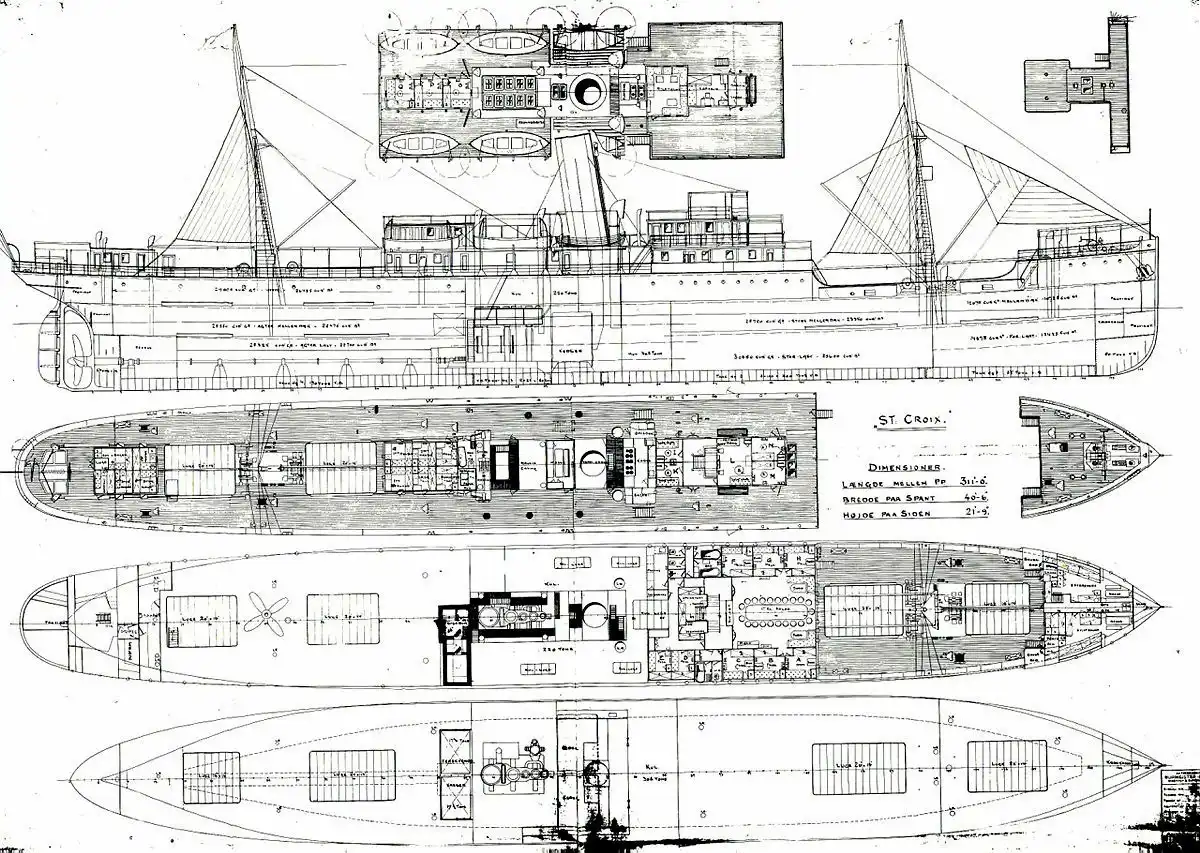
16 Architectural Ambitions: Detailed Blueprints and Scale Models
During construction and real estate booms, international architects travel constantly to pitch multi-million-dollar developments across several cities in a single week.
Terminal seating areas have occasionally been the resting place for forgotten, highly detailed architectural scale models of skyscrapers, or massive rolled-up blueprint tubes containing proprietary building plans that no firm would ever want in a public auction lot.
17 The Supernatural Leftover: Ouija Boards and Religious Relics
Airports are melting pots of diverse cultures, beliefs and superstitions, and the lost-and-found bins reflect that perfectly.
Storage shelves occasionally turn up deeply spiritual or esoteric objects, including consecrated prayer beads, heavy vintage silver crucifixes, and classic wooden Ouija boards left behind by nervous flyers and eccentric collectors alike.

18 High-Tech Mishaps: Virtual Reality Headsets and Smart Suitcases
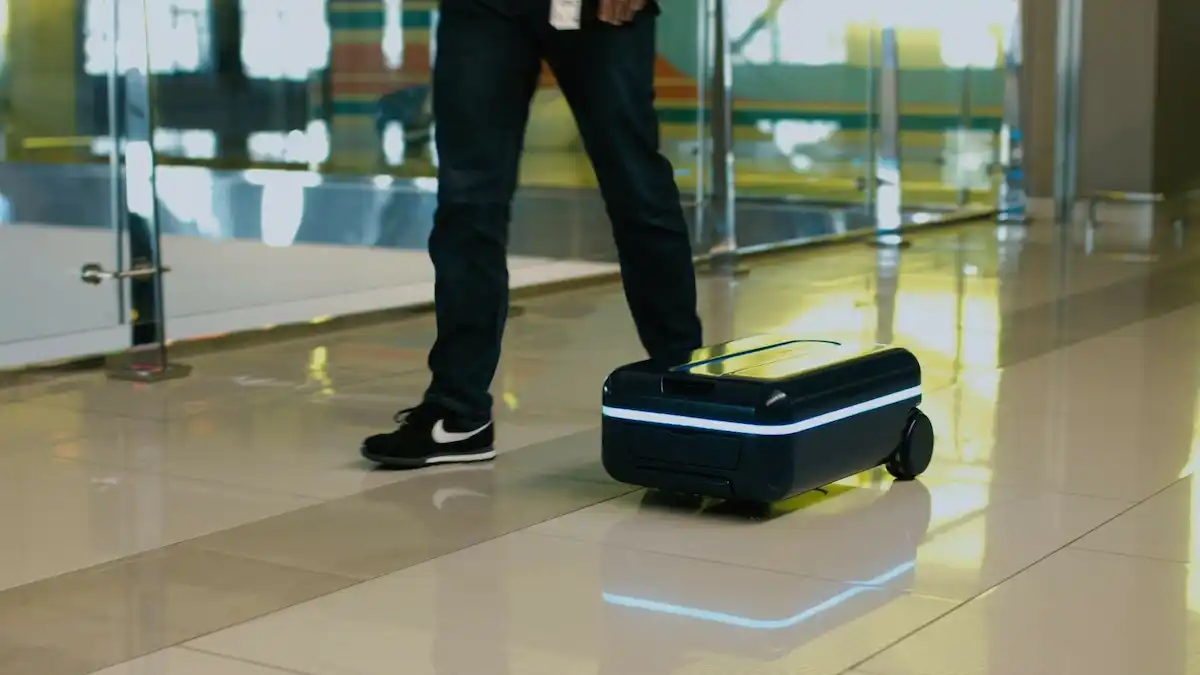
As technology evolves, lost-and-found departments are increasingly flooded with cutting-edge gear: high-end virtual reality headsets, expensive audio rigs and motorised smart suitcases.
The last category is the strangest of all, with self-driving cases occasionally spotted rolling slowly around empty storage rooms, still looking for owners who are already several time zones away.
19 Cinematic Casualties: Professional Movie Props and Costumes
Cities with major film production hubs see a lot of crew members moving between shoots, usually on very short turnarounds.
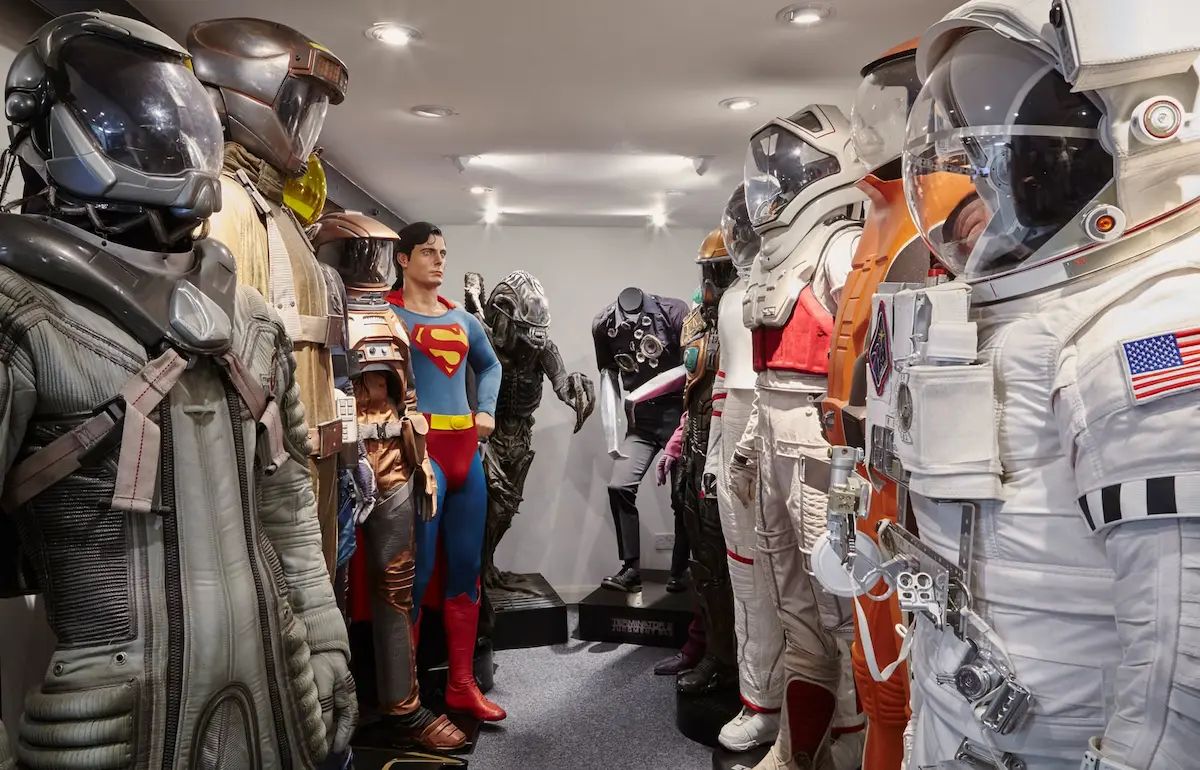
Airport cargo lines and security bins have famously yielded theatrical prop swords, hyper-realistic Hollywood special-effects makeup prosthetics, and custom period-accurate theatrical costumes — items that cause a great deal of confusion for whoever opens the bag first.
20 The Ultimate Irony: Lost Passports and Luggage Tags
Perhaps the most head-scratching category of all is meta-loss: items designed explicitly to prevent losing things.
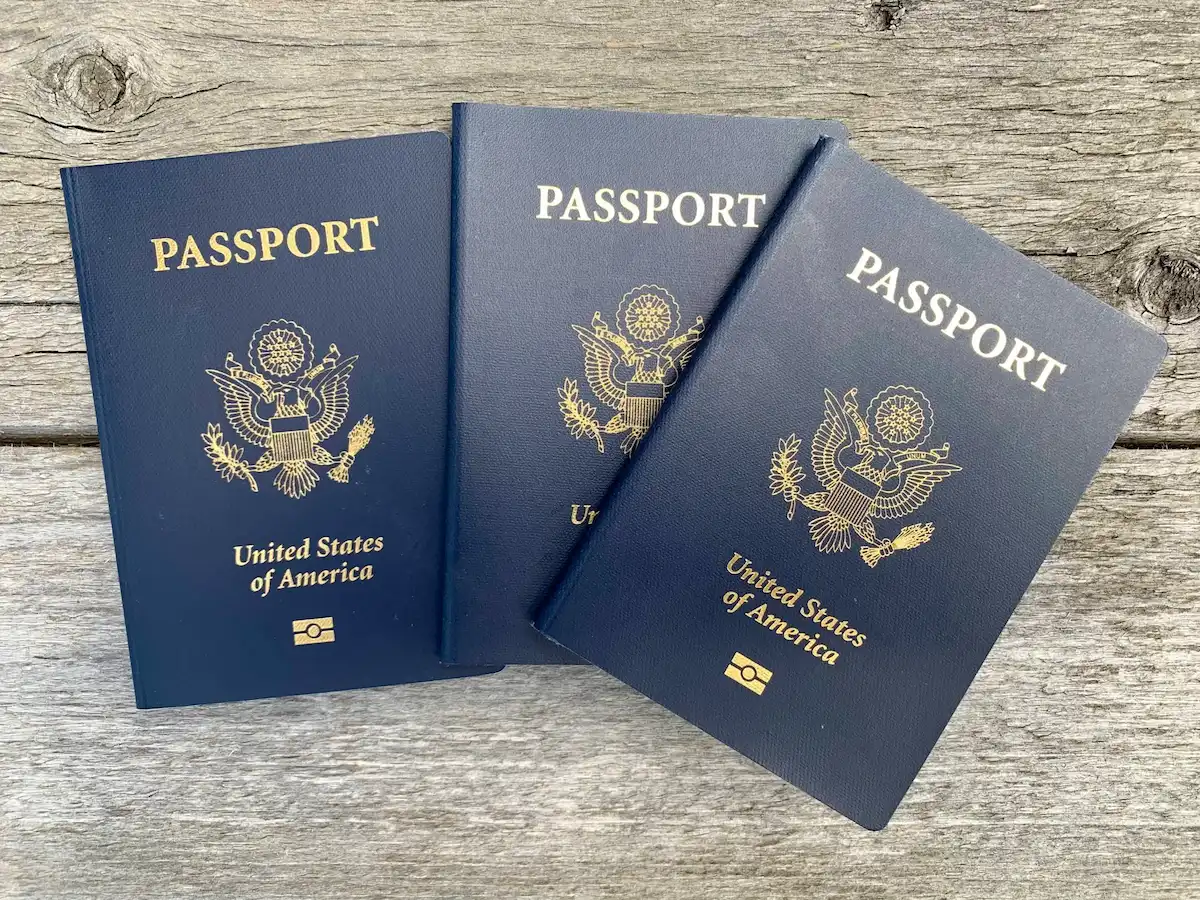
Airport lost-and-found offices regularly accumulate entire collections of brand-new leather passport holders, unopened packages of smart luggage trackers still sealed in their boxes, and stacks of high-end travel wallets that never made it out of the terminal.
Why It Happens: The Checkpoint Effect
Almost every strange find shares the same origin story: the security tray. Pockets are emptied, bags are repacked under time pressure, and the traveler's attention narrows to a single goal — making the gate. Anything set down in that moment can simply stop existing in the owner's mind until the aircraft doors close.
Summary of Lost Property Jurisdictions
Where an item is found matters more than what it is. A wallet dropped in the terminal and a wallet left in seat 14C follow completely different routes, with different holding periods and very different endings.
| Property Category | Handling Department | Standard Holding Period | Ultimate Fate If Unclaimed |
|---|---|---|---|
| Standard Luggage & Items | Airport Authority | 30 – 90 Days | Public Auction |
| Items Left Onboard Aircraft | Specific Airline | Varies by Carrier | Airline Salvage |
| Perishable Goods & Flora | Hygiene & Quarantine Teams | None | Immediate Disposal |
| Valuables / Illegal Cargo | Law Enforcement | Extended / Permanent | Federal Investigation |
How to Stay Out of the Vault
- Do a tray sweep after security and count your items out loud before you leave the belt.
- Photograph your open bag before departure — it makes any claim form far faster to complete.
- Put a tracker inside the bag rather than on the handle, and label fragile or high-value cases with contact details.
- Declare perishables, plants and cultural items in advance instead of discovering the rule at the X-ray.
- If you travel with instruments, medical devices or ashes, allow extra time and use a fast track or meet & greet service so screening is never a last-minute scramble.