
Aviation is usually about modern terminals, duty-free shopping and the excitement of reaching a new destination. But some airports around the globe carry a completely different energy. From terrifying approach paths that test the limits of human skill to dark legends whispering from underground tunnels, these locations hold a strange fascination for travellers.
Whether it is a runway built on the edge of a cliff or a terminal haunted by the ghosts of the past, these airports remind us that the skies hold many secrets. Let’s dive into the world's most mysterious, cursed and thrilling landing strips.
Denver International Airport: The Apocalyptic Modern Myth
Denver International Airport is massive, beautiful and deeply unsettling. For decades, conspiracy theorists and travellers alike have pointed out that this airport looks less like a transportation hub and more like a high-tech fortress designed for the end of the world.
The rumours start deep beneath the baggage carousels. Airport staff and contractors whisper about vast, sprawling underground tunnels that lead to hidden bunkers. While management claims these are just part of an abandoned automated baggage system, many believe they are built to shelter the global elite in times of apocalypse.
If the underground tunnels don't catch your attention, the art certainly will. The terminal walls feature intense, apocalyptic murals depicting bio-warfare, destruction, and a strange new world order. Though the airport defends them as artistic expressions of environmental awareness, they leave a chilling impression on passengers walking by.
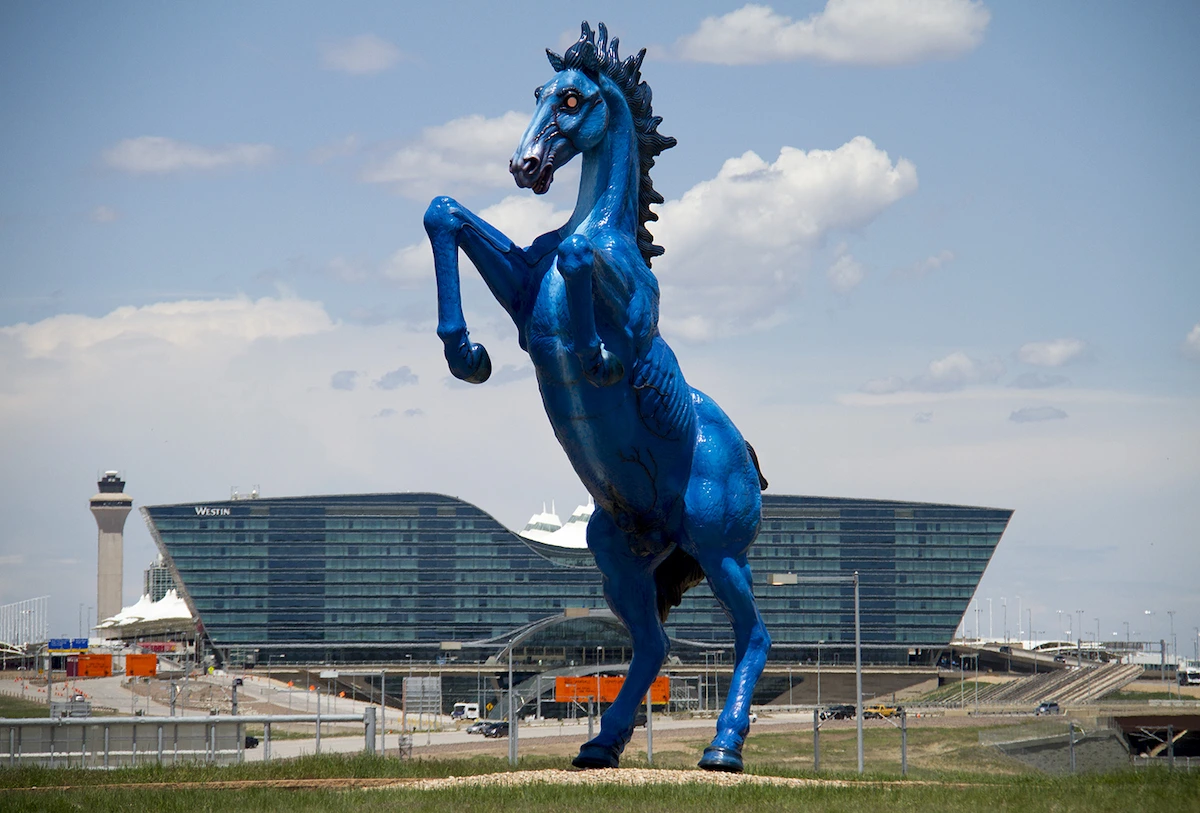
Then, there is the ultimate guardian of the airport: Blucifer. This massive, 32-foot-tall blue mustang statue stands outside the terminal, glaring at visitors with glowing red eyes. The statue has earned a terrifying reputation, especially since its creator, Luis Jiménez, was tragically killed when a piece of the sculpture fell on his leg during production.
Lukla Airport: The Gateway to Everest and Danger
Tenzing-Hillary Airport in Lukla, Nepal, takes the concept of a dramatic landing to a whole new level. Nestled high among the Himalayan peaks, this tiny airport serves as the primary starting point for climbers aiming to conquer Mount Everest. However, surviving the flight to Lukla is often considered the most dangerous part of the entire journey.
The runway is notoriously short, measuring only about 1,729 feet. To make matters worse, it is built on a steep incline, ending with a solid mountain wall at one end and a terrifying 2,000-foot drop into an abyss at the other. There is absolutely no room for error. Once a pilot begins the approach, they must land.
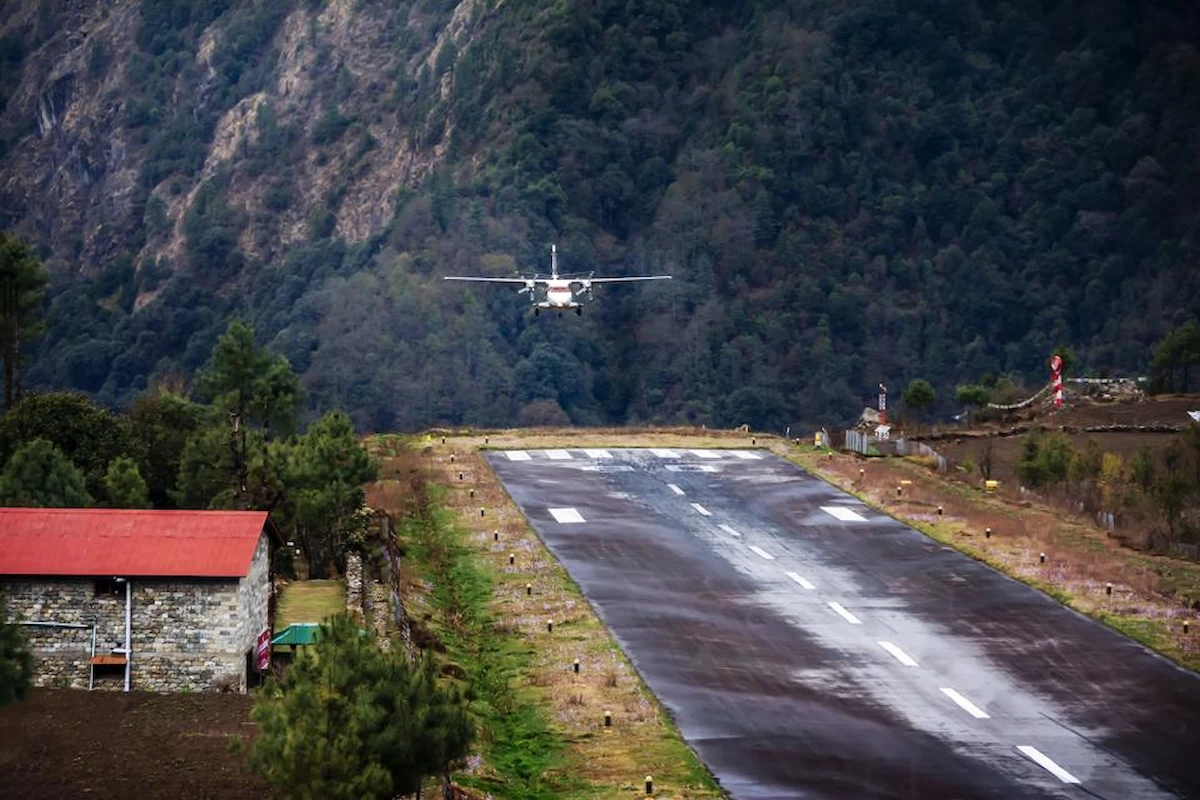
The weather in the Himalayas changes within seconds. Sudden thick fog, violent crosswinds and heavy rain frequently cut visibility to zero. Because there are no modern radar or navigation systems here. Pilots must rely entirely on what they can see with their own eyes.
Due to these extreme conditions, the civil aviation authority enforces strict rules. Only highly experienced pilots who have completed specialised training in high-altitude landings and handled a specific number of flights in Nepal are permitted to steer a plane into Lukla.
Kai Tak Airport: Hong Kong’s Legendary Urban Thrill
Before it closed its runways forever in 1998, Kai Tak Airport in Hong Kong was famous for delivering the most heart-stopping landings in aviation history. Operating right in the middle of a densely populated city, it was a place where giant commercial jets danced between skyscrapers.
Passengers looking out their windows during descent didn't just see clouds or fields. They saw right into the living rooms of residents watching television or hanging laundry on their balconies. The planes flew shockingly close to the buildings, creating an unforgettable illusion of a city-wide landing.

The real test was for the pilots, who had to execute a sharp, 47-degree turn at a very low altitude right over the city to line up with the runway. This manoeuvre required incredible precision, especially when strong crosswinds from the harbour battered the aircraft.
Landing at Kai Tak was an adrenaline rush that required absolute trust in human skill. Today, it remains a nostalgic legend among aviation enthusiasts, representing an era where flying felt raw, dramatic and intensely personal.
Mexico City International Airport: Shadows in the Night Shift
Mexico City International Airport is one of the busiest hubs in Latin America, moving millions of living souls every year. However, when the sun goes down and the crowds thin out, the atmosphere changes and local workers claim they are not entirely alone.
Night-shift security guards and ground crew members frequently share stories of strange figures moving through empty corridors. Shadows slip past closed security checkpoints and the sound of distant footsteps echoes through areas that should be completely deserted.
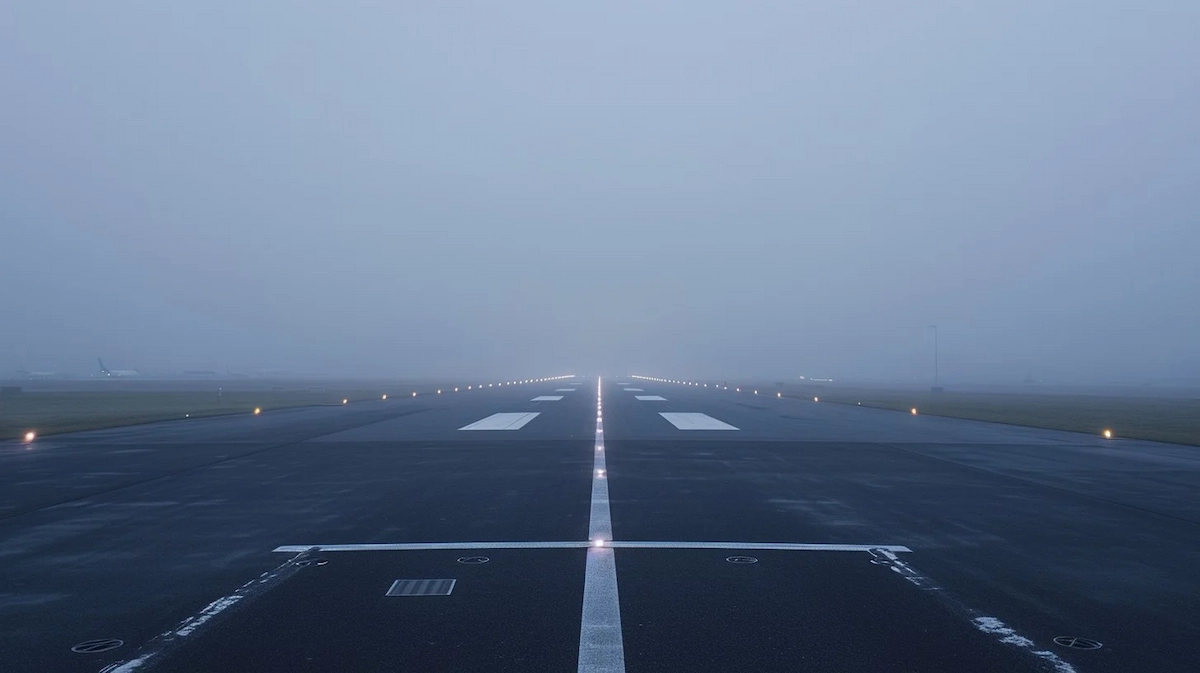
Many of these ghostly sightings centre around the aircraft maintenance hangars and the old terminals. Workers report a heavy, cold mist rolling into certain rooms unexpectedly, followed by the silhouette of a person standing just out of sight.
Security personnel often avoid patrolling certain hidden corners of the airport alone at night. These eerie encounters have become an unofficial part of the airport's culture, turning routine night shifts into a test of nerves.
Janet Airlines: The Secret Fleet to Area 51
At Las Vegas McCarran International Airport, you can spot a fleet of unmarked passenger planes that officially do not exist. This is Janet Airlines, a top-secret aviation operation managed directly by the United States Air Force to transport personnel to highly classified military zones.
The fleet consists of plain white Boeing aircraft distinguished only by a single, solid red stripe running along the windows. There are no logos, no airline names and no commercial branding of any kind on these mysterious vehicles.

Every day, these planes ferry hundreds of defence contractors, scientists and military staff from a private terminal directly into the Nevada National Security Site, which includes the famous and highly classified Area 51.
The extreme secrecy surrounding Janet Airlines sparks endless curiosity. It stands as a living piece of modern mythology, operating right in the open while keeping its true passengers and destinations completely hidden from the public eye.
The Haunting Beauty of Abandoned Airports and Liminal Spaces
There is something deeply poetic and unsettling about an airport that has lost its purpose. Terminals that were once filled with reunions, tears and heavy footsteps now sit completely silent and slowly being reclaimed by nature.

Locations like the abandoned Nicosia International Airport in Cyprus or Ciudad Real Central Airport in Spain feel like frozen moments in time. Empty baggage carousels stand still, departure boards remain blank and broken windows let the wind howl through giant architectural shells. Walking through or viewing these spaces creates a powerful liminal space sensation, the feeling of being on a threshold between two worlds. They remind us of how quickly the busiest structures of human civilisation can turn into silent ghost towns.
Runways of Ice and Mist: The Pilot’s Ultimate Nightmare
Nature has a way of reminding us who is truly in control of the skies. Certain runways around the world are feared by even the most seasoned captains due to their unpredictable and brutal weather patterns that can turn a routine landing into a survival situation.
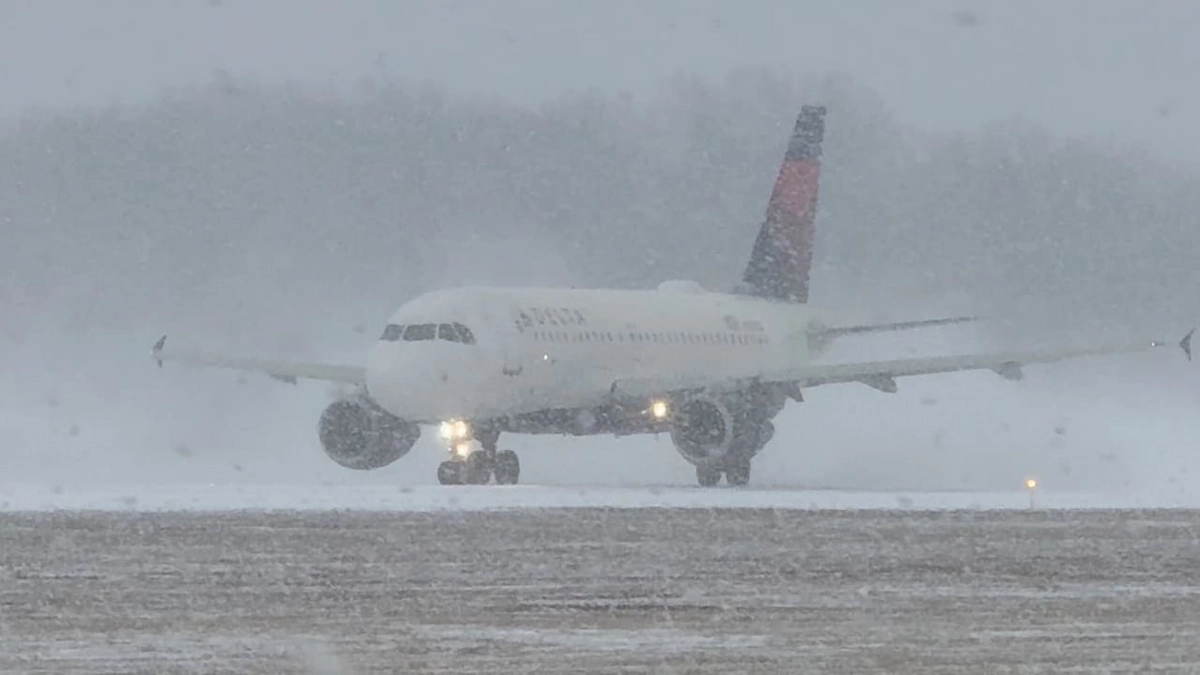
Many northern runways suffer from the invisible danger of black ice, a transparent coating that deprives aircraft tyres of crucial braking grip. Striking a patch of ice while managing a multi-ton aircraft requires instant reflexes and extreme focus.
Sudden, violent crosswinds are another major hazard and capable of pushing a plane off-centre just seconds before touchdown. Pilots must angle the aircraft sideways against the wind in a difficult manoeuvre to keep it on the centerline.