
Stepping onto a plane for your first international adventure is an exhilarating milestone. However, the excitement of planning can sometimes overshadow the practical realities of global travel. We believe that the best travel experiences are built on a foundation of careful preparation. To ensure your journey is as seamless as your destination is beautiful, we have compiled the 10 most common mistakes first-time travellers make and how you can easily avoid them.
1. Procrastinating on Passport and Visa Requirements
The most critical step of any international trip is ensuring you are legally allowed to enter your destination, yet it is often the most overlooked part of the planning process. Many first-time travellers mistakenly assume their passport is valid simply because it has not reached its expiration date. This common oversight frequently leads to stressful situations at the check-in counter, where passengers discover that their documents do not meet the entry criteria for their destination.
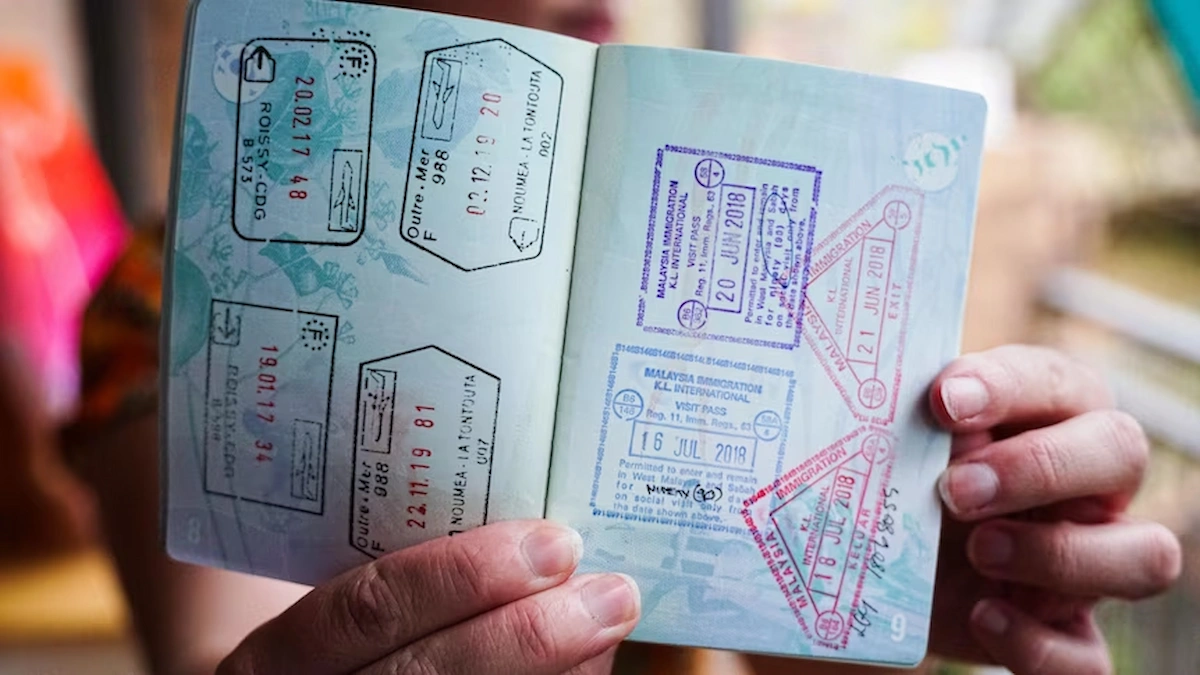
It is a standard global requirement that your passport must have at least six months of validity remaining beyond your intended date of departure. This six-month rule is enforced by many nations to ensure you have enough time to resolve unexpected travel delays without your documents expiring while you are abroad. If your passport is nearing this threshold, do not wait. Renewing it well in advance is the only way to safeguard your travel plans.
Beyond the document itself, the visa process is a hurdle that requires early research. Regulations vary significantly based on your citizenship and the country you are visiting. Some destinations offer visa-free entry or "visa-on-arrival," while others require an application process that can take several weeks. Do not rely on outdated advice; always check the official embassy website of your destination to confirm the latest entry procedures.
2. Arriving Late to the Airport
The initial excitement of your journey can quickly vanish if you find yourself frantically sprinting toward a boarding gate that is already closing. For international travel, the industry standard is to arrive at the airport at least three hours before your scheduled departure. While this may seem like an excessive amount of time to spend waiting, this critical buffer is your greatest ally against the unpredictable nature of modern travel. It provides you with the necessary breathing room to navigate long check-in queues, manage detailed security screenings and locate your boarding gate without the heart-pounding stress of a deadline.
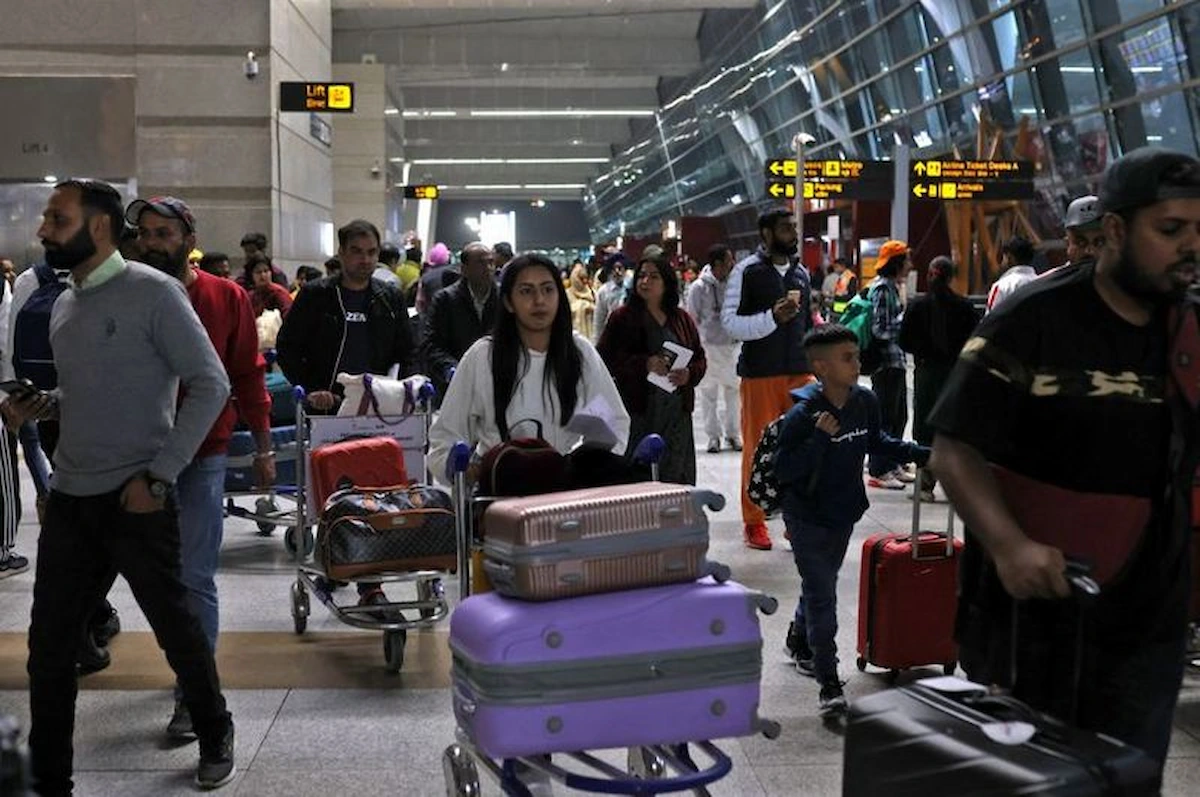
Arriving early does more than just ensure you make your flight. It fundamentally changes the tone of your entire vacation. Instead of beginning your trip in a state of chaos and fatigue, you grant yourself the luxury of time. You can grab a coffee, catch up on emails in a quiet lounge or simply enjoy the unique atmosphere of the terminal. By turning the airport experience from a high-pressure race into a calm, controlled and relaxed start to your vacation, you arrive at your destination feeling refreshed rather than drained.
3. Leaving Currency Exchange Until the Last Minute
Relying on airport currency exchange booths is a classic mistake that many first-time travellers make, often resulting in unnecessary financial loss before the trip has even truly begun. It is easy to assume that these kiosks offer a convenient service, but in reality, they frequently apply significantly higher exchange rates and hidden service fees compared to your local bank or reputable online platforms. When you choose to exchange your money at the last minute within the terminal, you are essentially paying a premium for convenience which can noticeably shrink your travel budget.

To avoid this, take a proactive approach long before you head to the airport. First, contact your bank to ensure your debit and credit cards are authorised for international transactions. Understanding your bank's foreign transaction fees is equally important, as some institutions offer much better rates than others. It is always a wise strategy to carry a modest amount of local currency in cash for emergencies, such as paying for a taxi or a quick snack upon arrival but the best place to secure this is at your home bank or a local bureau de change well before your flight date.
4. Forgetting a Mobile Plan
Stepping off a plane in a foreign country, eager to explore, only to find yourself completely disconnected is a situation no traveller wants to face. Without access to real-time maps, ride-sharing apps or translation tools, a simple walk to your hotel can quickly turn into a confusing and overwhelming experience. Modern travel relies heavily on digital connectivity and waiting until you land to figure out how you will get online is a mistake that can cost you precious time and unnecessary stress.

The key to a smooth arrival is planning your connectivity well before you leave home. Start by researching eSIM options, which have revolutionised travel by allowing you to activate a local data plan directly on your smartphone without the need to swap physical SIM cards. They are incredibly convenient, affordable and can be set up in minutes. Alternatively, check with your current mobile service provider to see if they offer a reasonable international roaming package. Regardless of which method you choose, always verify that your device is unlocked and compatible with international networks.
As a final layer of protection, treat offline maps as your digital safety net. Download the maps of your destination city to your phone while you still have a stable Wi-Fi connection at home. This allows you to navigate the streets, find public transport stops and locate nearby landmarks even if you find yourself in a dead zone.
5. Overpacking Your Luggage
The "What if I need this?" mentality is arguably the greatest enemy of comfortable and stress-free travel. We have all been there, standing in front of an open suitcase, debating whether to pack that extra pair of shoes or the heavy jacket just in case the weather turns. However, carrying heavy suitcases often turns a dream vacation into an exhausting chore. Navigating public transportation with massive bags, managing cobblestone streets while walking to your hotel and struggling with overhead bins can quickly sour your mood before the real fun even begins.

The secret to smarter packing lies in versatility. Instead of packing single-use outfits for every possible scenario, focus on versatile layers that can be mixed and matched to suit different weather conditions. Before you start packing, check the detailed weather forecast for your destination and plan your wardrobe accordingly. By choosing high-quality, lightweight fabrics that serve multiple purposes, you can drastically reduce the weight of your luggage without sacrificing style or comfort.
Always remember that you are travelling to a destination, not moving there permanently. Most major cities have excellent access to essential shops, pharmacies, and even local laundry services if you find yourself in a genuine bind. When you travel light, you gain the freedom to move effortlessly through crowded terminals and vibrant city streets.
6. Ignoring Cultural Nuances
One of the most rewarding aspects of travelling abroad is the opportunity to immerse yourself in a new way of life. However, it is important to remember that what is considered polite and respectful in your home country might be viewed as offensive or jarring in another. Cultural intelligence is a vital tool for any traveller. Without it, you may inadvertently cause discomfort to others or find yourself in awkward situations that could have been easily avoided with a little research.

For example, a behaviour as simple as the volume of your voice can carry significant weight. In Japan, maintaining a low and respectful tone while on public transportation is a hallmark of good manners and speaking loudly on a phone or to a companion is often seen as a major faux pas. Conversely, in many other parts of the world, a bustling and energetic conversation is perfectly acceptable. Similarly, tipping customs are a complex web that changes drastically depending on where you are. In the United States, tipping is a standard expectation for service, whereas in many European or Asian countries, it may be viewed as unnecessary or even unusual.
Taking just an hour before your flight to research the basic social etiquette of your destination can transform your trip. Learn a few local phrases, understand the standard greeting gestures, and look up the norms regarding dining and public conduct. This simple act of curiosity shows deep respect for the people hosting you and ensures that your presence is welcomed.
7. Overlooking Entry Procedures and Documentation
Passing through border control is often the part of travel that makes even seasoned globetrotters feel a bit nervous. It is the final gatekeeper between you and your destination and it can certainly be intimidating if you arrive unprepared. Border officials have a duty to ensure that every visitor meets the country's specific entry requirements. They will look for concrete evidence that your visit is planned, legitimate and fully covered.

Many first-time travellers are surprised to learn that a valid passport is not always enough. Depending on the country, officials may ask for proof of your return or onward flight to ensure you have a clear plan to leave. They might also request to see your confirmed hotel bookings or proof of sufficient financial means to sustain your stay. If you cannot produce these documents immediately, you risk being held for questioning or in more serious cases, denied entry entirely.
To keep this process smooth and stress-free, organisation is your best strategy. We recommend keeping both digital and physical copies of your essential documents, such as your passport, visa, hotel reservations, travel insurance policy, and flight confirmations, in a dedicated folder that is easily accessible in your carry-on bag. Never pack these in your checked luggage, where they would be inaccessible during the screening process.
8. Neglecting to Notify Your Bank
There is truly nothing more uncomfortable or inconvenient than trying to settle the bill after a beautiful dinner in a foreign country, only to have your bank card suddenly declined. This scenario can turn an otherwise delightful evening into a moment of pure panic. Most modern banks employ sophisticated security algorithms designed to monitor for unusual activity. When they detect a sudden charge from a foreign country that they weren't expecting, their automated systems often flag it as a potential security breach and temporarily freeze your account to protect you from fraud.

While this feature is designed for your safety, it becomes a significant hurdle when you are the one actually using the card abroad. Fortunately, this is one of the easiest issues to prevent. Before you head to the airport, take a few minutes to access your bank’s mobile application or call their customer service department. Almost every major bank allows you to set a travel notice on your account, which informs them of your destination and the dates you will be away. This simple heads-up ensures that your transactions will be processed smoothly, allowing you to enjoy your meals and excursions without any unexpected disruptions.
9. Skipping Travel Insurance
Many first-time travellers view travel insurance as an unnecessary or avoidable expense, especially when they are already managing the costs of flights and accommodation. It is easy to fall into the trap of thinking that because you are young, healthy or only travelling for a short duration, nothing could go wrong. However, the reality of global travel is that the unexpected, ranging from sudden illness to significant flight disruptions, can happen to anyone at any time.
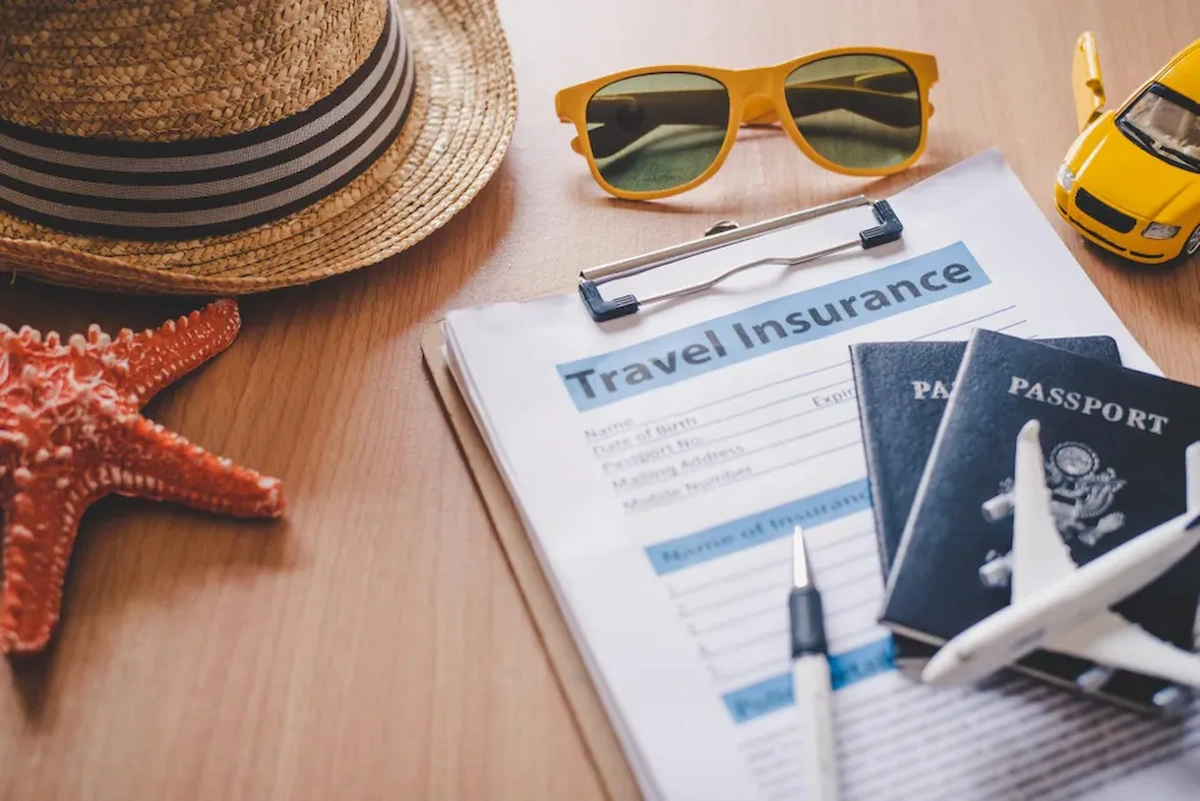
Looking at travel insurance as an extra is a fundamental misunderstanding of its purpose. Instead, try viewing it as an essential investment in your peace of mind. Without coverage, even a minor medical issue can quickly escalate into a massive financial burden. If you were to require a doctor's visit, medication or hospital care while abroad, the out-of-pocket costs can be astronomical. Similarly, travel insurance acts as your safety net for the logistics of your journey. Should your flight be delayed, your connection missed or your luggage lost by an airline, the right policy helps mitigate those losses, covering the costs that would otherwise fall squarely on your shoulders.
10. Trying to See Too Much
The temptation to visit every major monument, museum and tourist attraction in a single trip is incredibly strong, especially when it is your first time abroad. You have spent months dreaming of this destination and it feels like a disservice not to pack every single hour with sightseeing. However, a rushed itinerary is the fastest route to vacation burnout. When your days are scheduled from sunrise to sunset, you stop being a traveller and start being a project manager, constantly checking your watch and navigating transit lines rather than actually experiencing the magic of the place you worked so hard to reach.

Instead of spending the majority of your precious vacation time in transit between landmarks, consider a more balanced approach. Choose three or four must-see experiences that truly excite you and dedicate the rest of your time to wandering. A city reveals its true character not in its crowded monuments, but in its quiet neighbourhoods, local cafes and the spontaneous moments you find when you aren't rushing to a destination. Allow yourself the freedom to simply walk around, soak in the local culture and enjoy a long lunch without looking at a map.
Passport
6 months validity is a must.
Time
3 hours before flight.
Money
Avoid airport exchange.
Data
Get your eSIM ready.