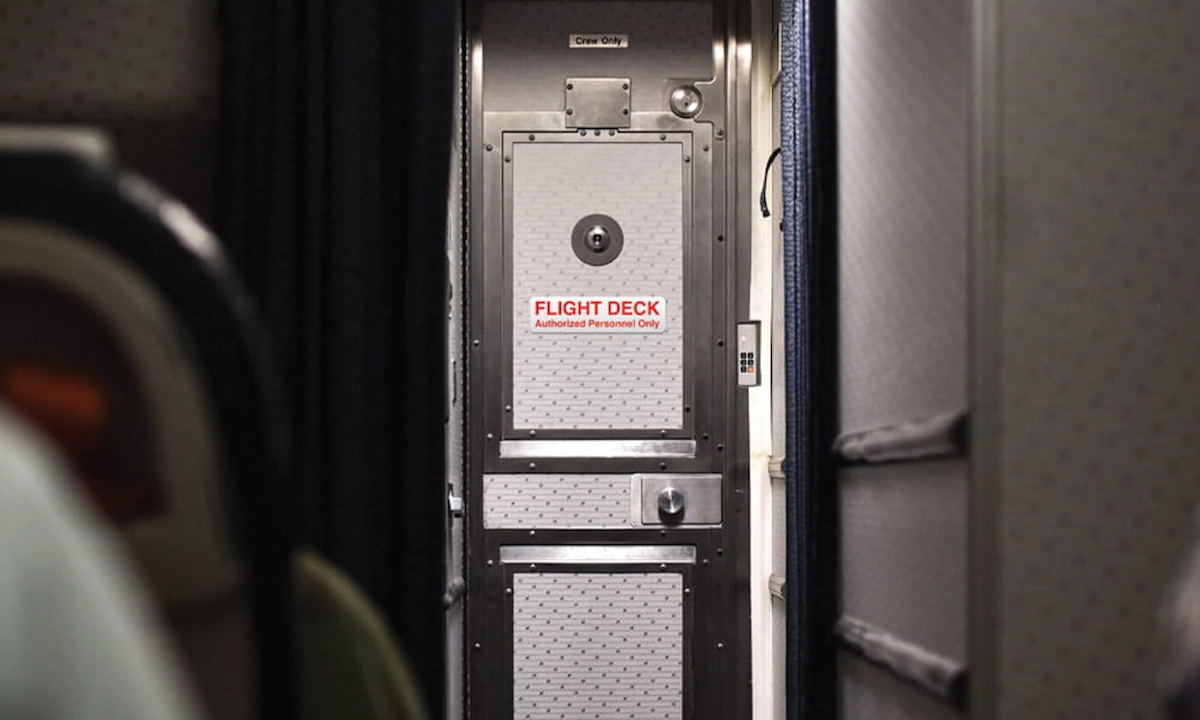
When you board a flight, you likely see a cabin full of seats, overhead bins and galleys. However, modern aircraft are masterpieces of spatial engineering, hiding entire rooms and specialized zones right above your head or beneath your feet. Beyond the double-locked cockpit door lies a world of secret spaces designed for safety, rest and the complex logistics of long-haul travel. We believe that understanding the behind the scenes of aviation makes every journey more fascinating. Let’s pull back the curtain on the hidden architecture of the planes you fly.
Secret Sleeping Quarters for Cabin Crew
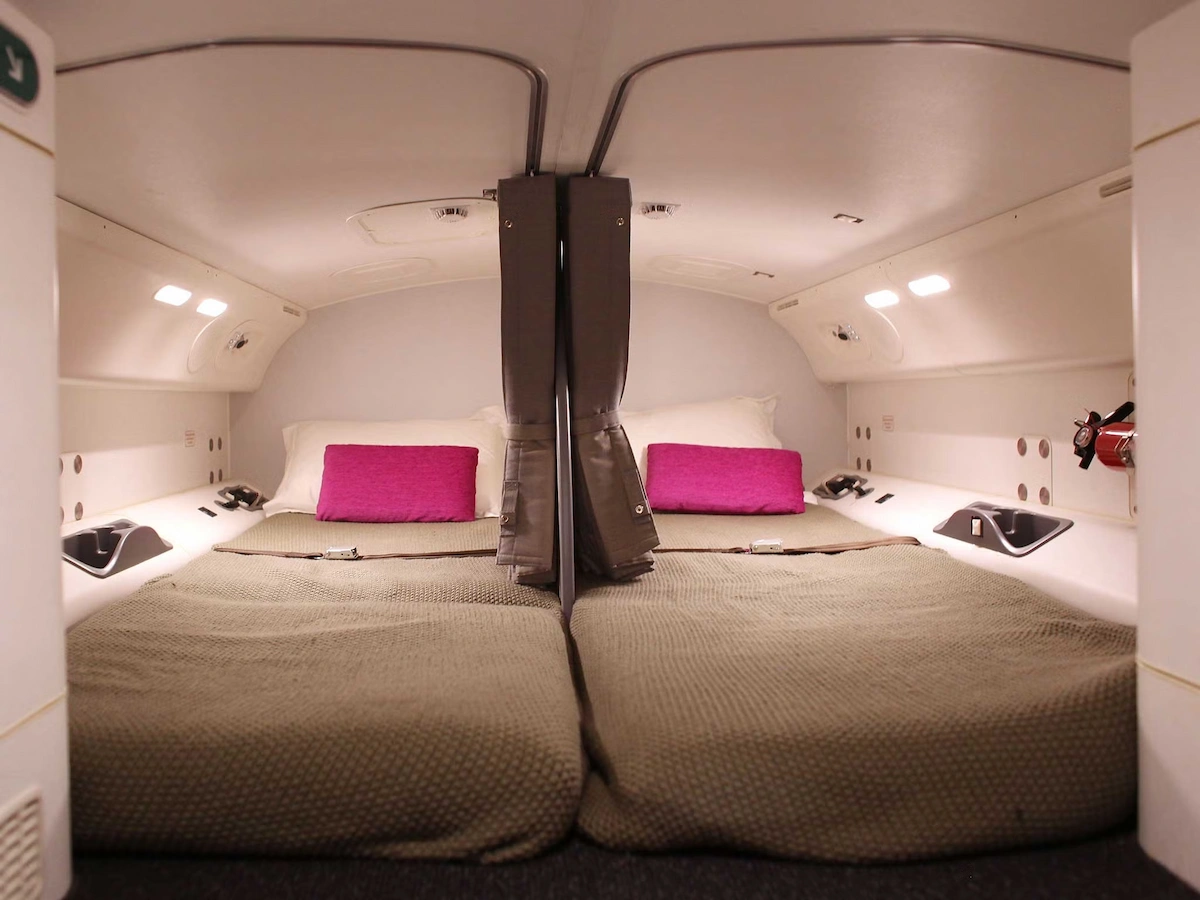
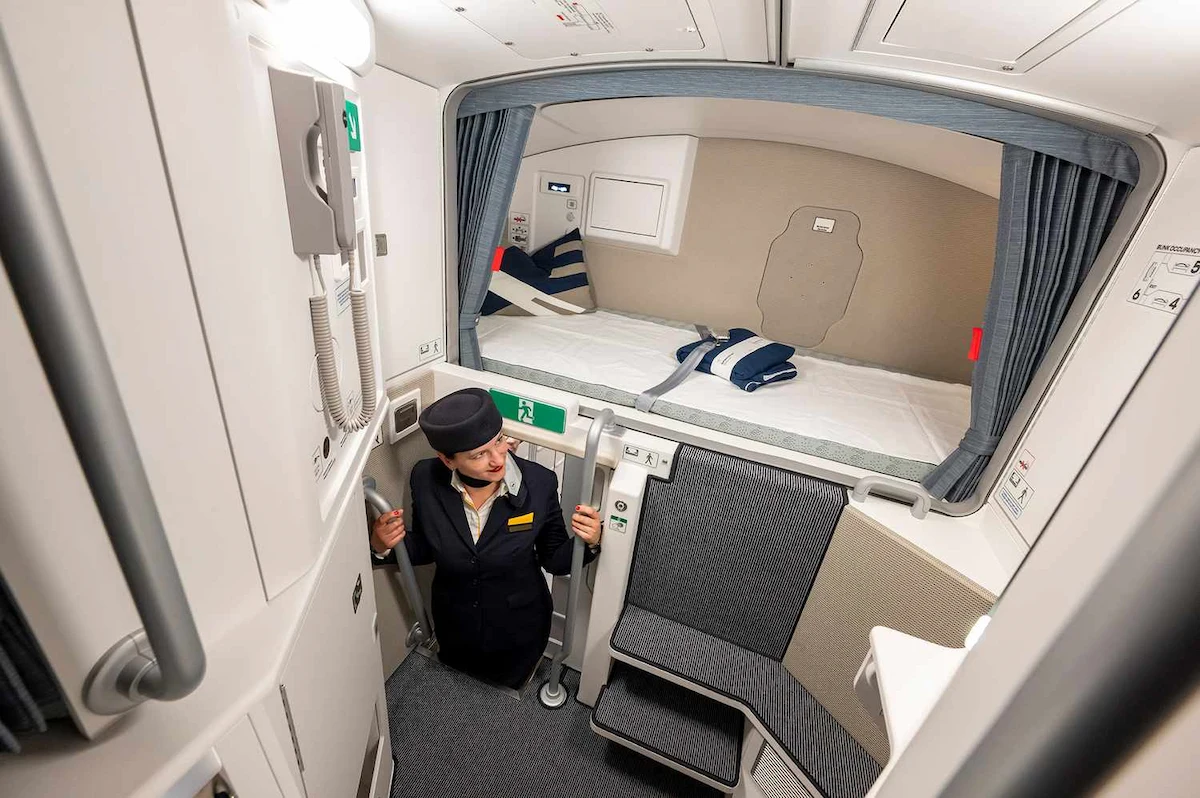
Have you ever wondered where the flight attendants go during a 14-hour flight to Dubai or Los Angeles? They don't just stay behind the curtain. Most wide-body aircraft, like the Boeing 787 Dreamliner or Airbus A350, feature a Crew Rest Compartment (CRC). Hidden behind a discrete door, often requiring a code or a key, is a steep, narrow staircase leading to a windowless attic above the main cabin. Here, you’ll find low-ceilinged bunks equipped with pillows, blankets and reading lights. It is quiet and essential for ensuring your crew is well-rested and ready for emergencies.
The Pilot’s Private Retreat
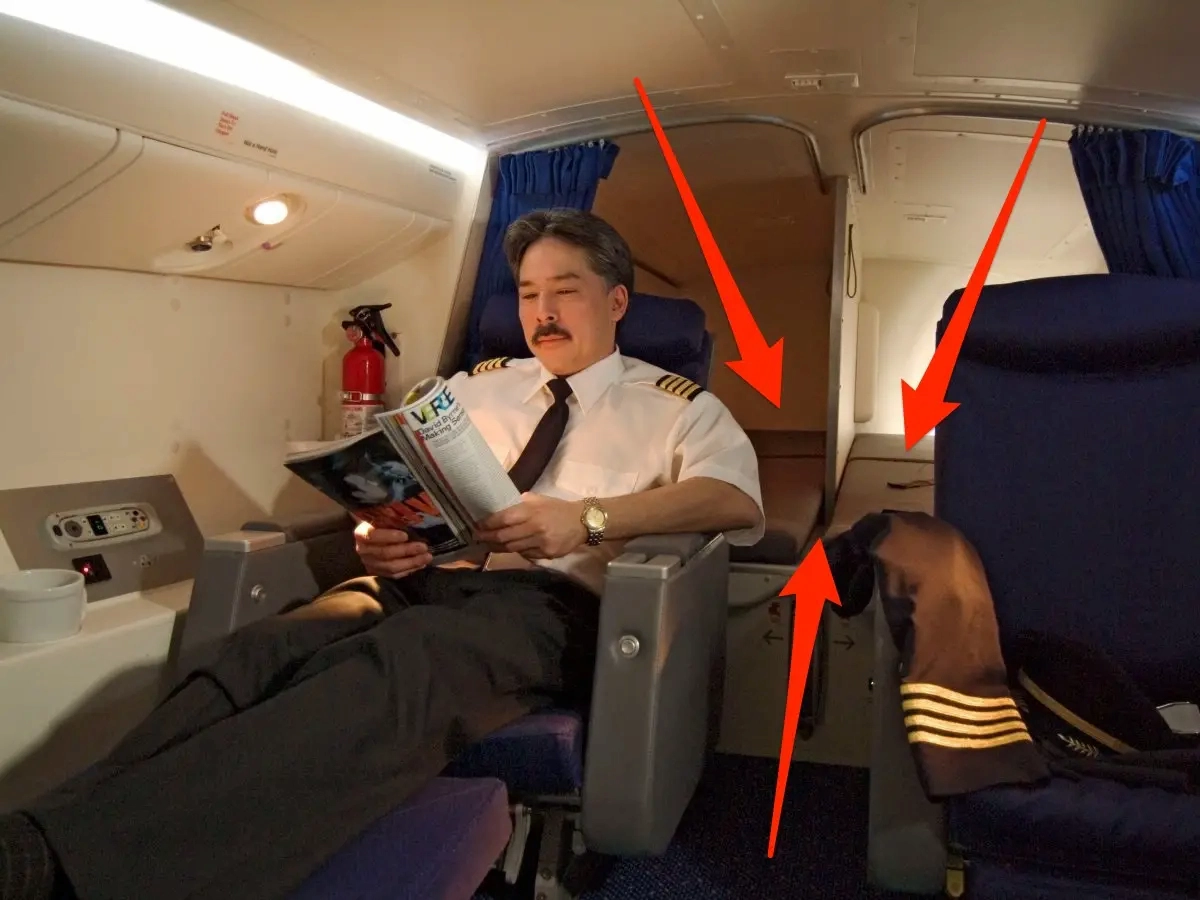
Pilots also need mandated rest periods, especially on ultra-long-haul routes. Their rest area is usually located directly above or adjacent to the cockpit. While passengers in the first few rows of First Class are sipping champagne, a pilot might be sleeping in a bunk just a few feet away. These areas often include a reclining seat and a sleeping berth, separated from the flight deck by a heavy security curtain or a reinforced door to maintain maximum privacy and safety.
Hidden Stairways and Access Hatches
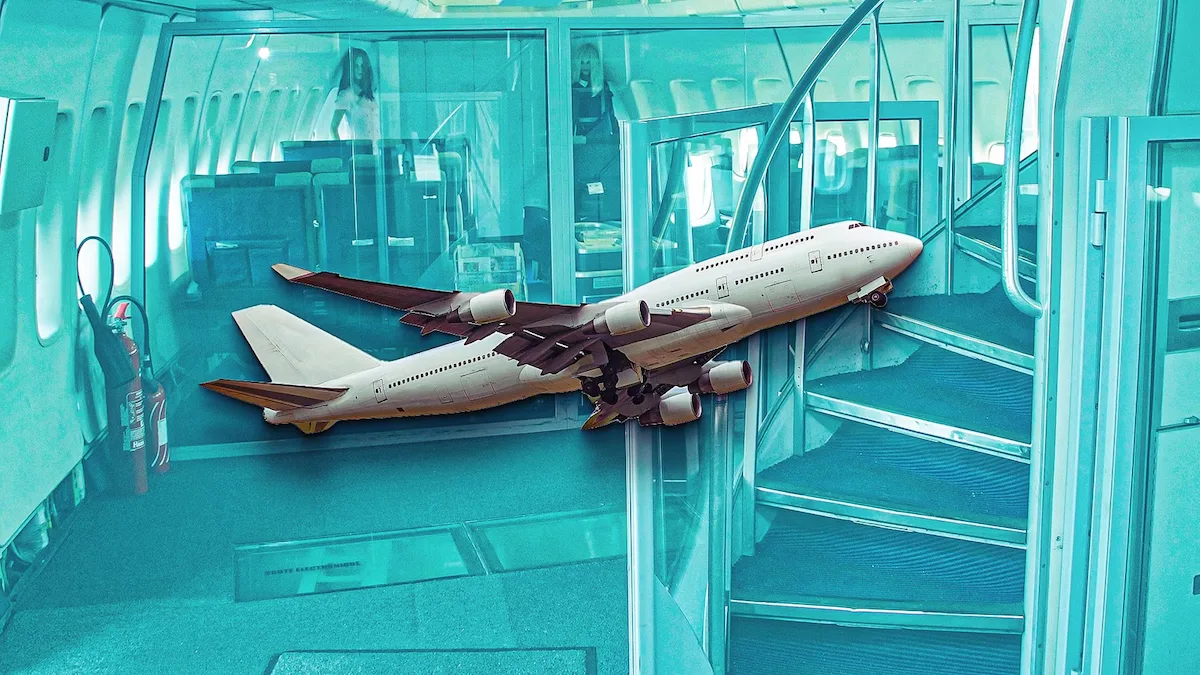
On legendary "Queens of the Skies" like the Boeing 747, there are stairways that remain entirely invisible to the public eye. These aren't the grand winding stairs leading to the upper deck. These are utility ladders and hatches used by maintenance crews or flight staff to move between the cargo hold, the electronic equipment bays and the cabin without disrupting the passenger flow.
Cabin Crew Kits
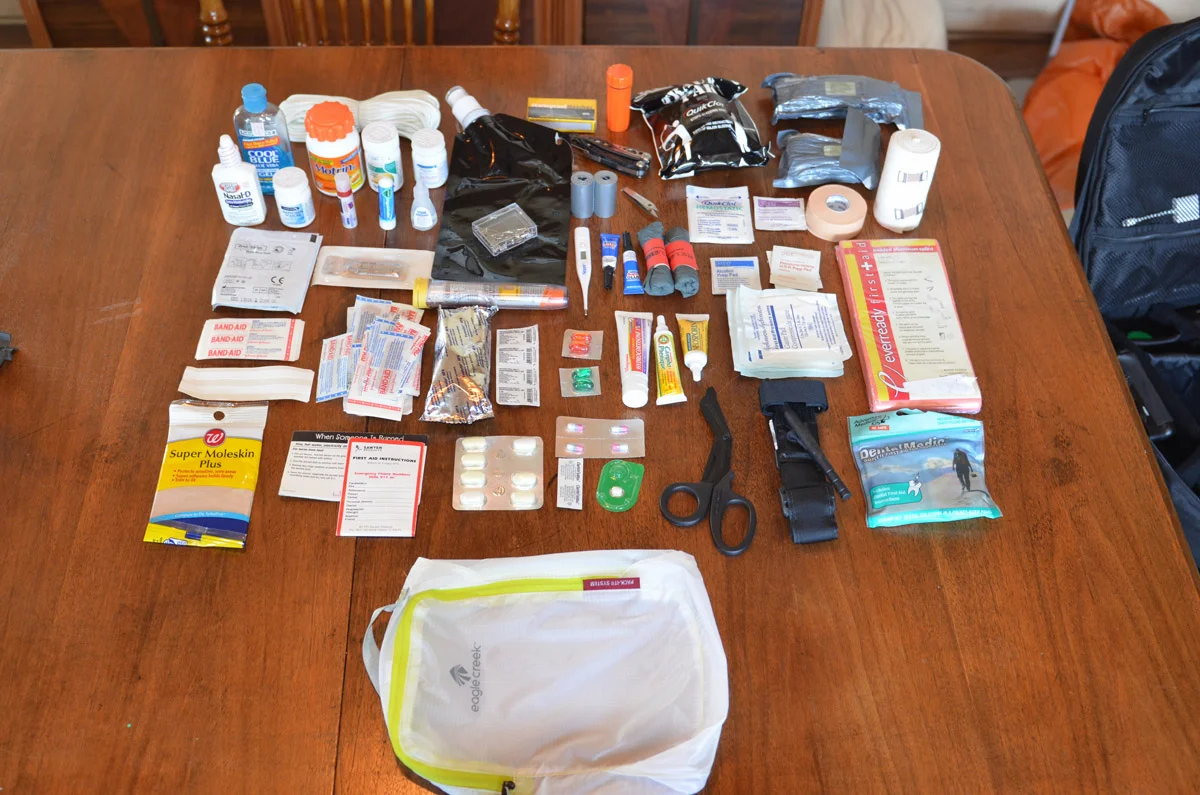
Throughout the cabin, there are panels and lockers that look like part of the wall. Inside these Hidden Emergency Kits lies everything from advanced medical equipment and defibrillators to smoke hoods and restraining devices. While you see the fasten seatbelt sign, the crew has immediate access to a mini-hospital and a security armory tucked away in the dead spaces of the galley.
Hidden Business Class Storage
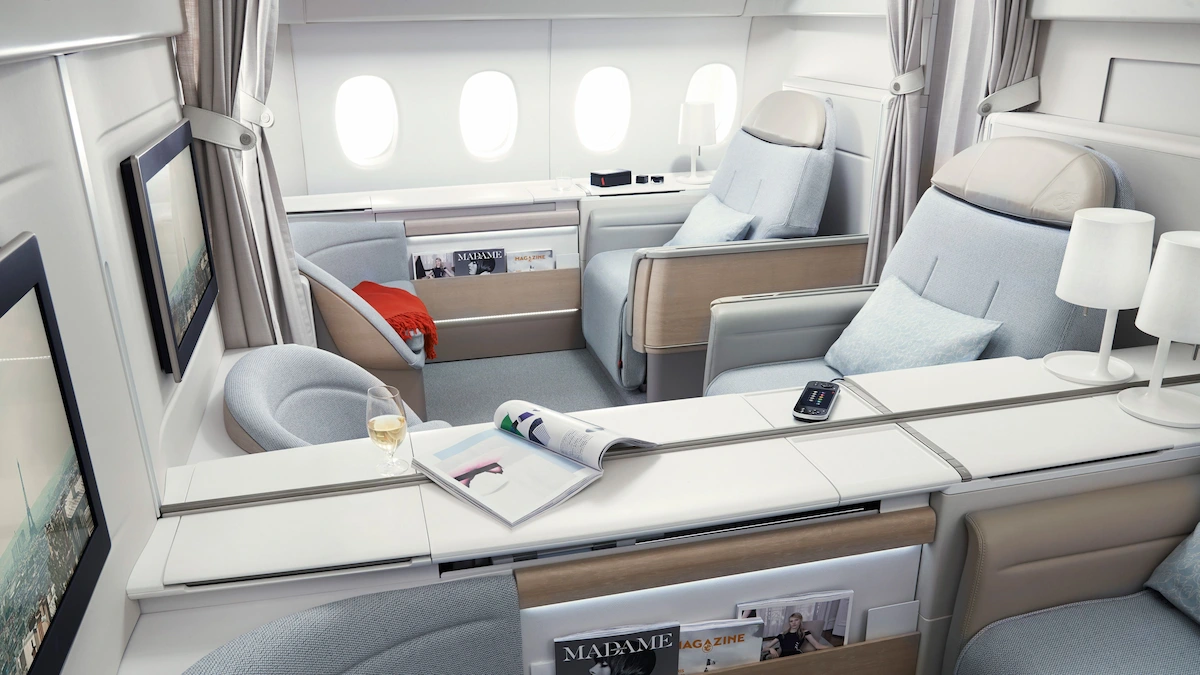
In the Business Class and First Class cabins, space is the ultimate currency. To keep the aesthetic clean and minimalist, airlines design invisible storage. Behind the wood-grain panels are specialized compartments for high-end pajamas, mattress pads, and extra gourmet catering supplies. These areas ensure that the premium service remains seamless without cluttering the cabin's sophisticated atmosphere.
Technical Rest Points
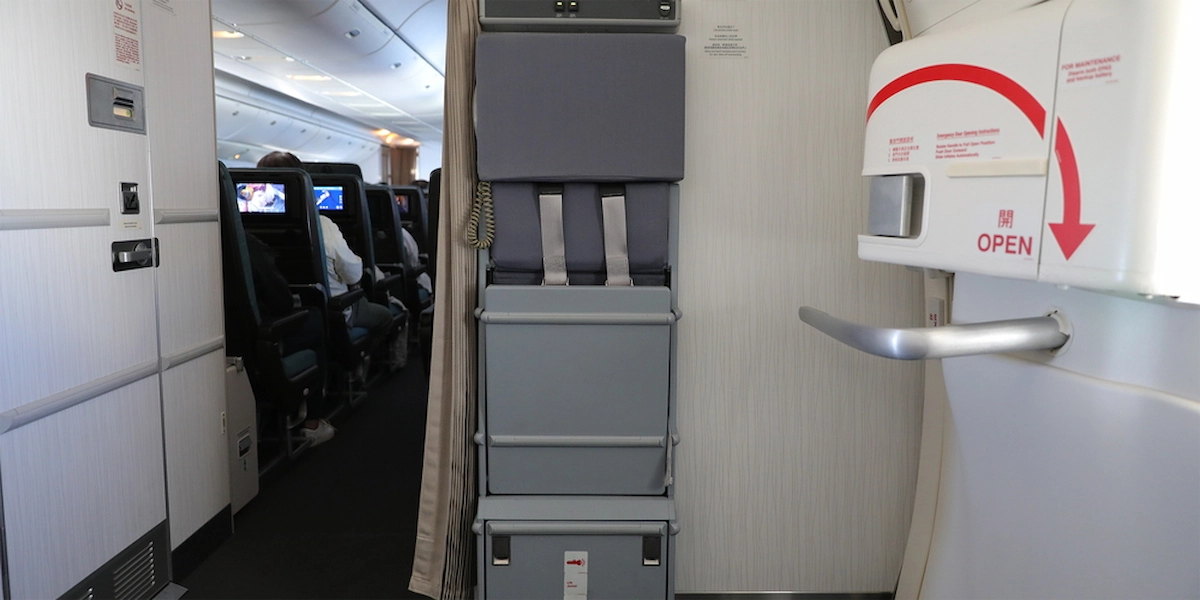
In the lower lobes of some aircraft, near the cargo hold, there are "Technical Jumpseats" and small resting points for air marshals or extra crew members on specific missions. These areas are strictly utilitarian and surrounded by the hum of the aircraft’s hydraulic systems, offering a raw look at the machine's inner workings.
The Invisible Crew
"Yes, crew members actually do disappear sometimes." It’s a common joke among frequent flyers, but it’s true. Aside from the overhead bunks are designed with small nooks where crew members can stand out of the line of sight of passengers to grab a quick meal or discuss flight logistics. These blind spots are vital for the mental well-being of the staff on high-stress flights.
The Dark Protocol
It’s a topic rarely discussed but airlines have protocols for every scenario, including the death of a passenger mid-flight. While some older rumors suggested corpse cupboards. The reality is more practical. On long flights, certain areas, such as an empty row in the back or a partitioned section of the crew rest, are designated as temporary, dignified spaces for the deceased until the plane can land and authorities can take over.
Security Strongholds
Modern aircraft are equipped with secret security features implemented after 2001. This includes reinforced locking mechanisms on overhead bins near the cockpit and hidden compartments for security equipment that even the flight attendants might not access unless an emergency is declared. These features are the silent guardians of your flight.