
Discovering the world and opening doors to new geographies is undoubtedly fastest and most comfortable through air travel. However, the idea of soaring through the clouds at thousands of feet can trigger deep anxiety and a racing heart for many people rather than excitement. If you are one of those who grip the armrests tightly during every bout of turbulence, you should know that this fear is not your destiny and you can fully enjoy the skies with the right steps.
📊 Understanding the Science: Why Flying is Safe
The human brain is wired for survival, and when you are thousands of feet in the air, your survival instincts can easily mistake normal flight sensations for immediate danger. However, the most effective weapon against flight anxiety is education. By understanding the science behind aviation, you can teach your brain to rely on logic rather than panic.
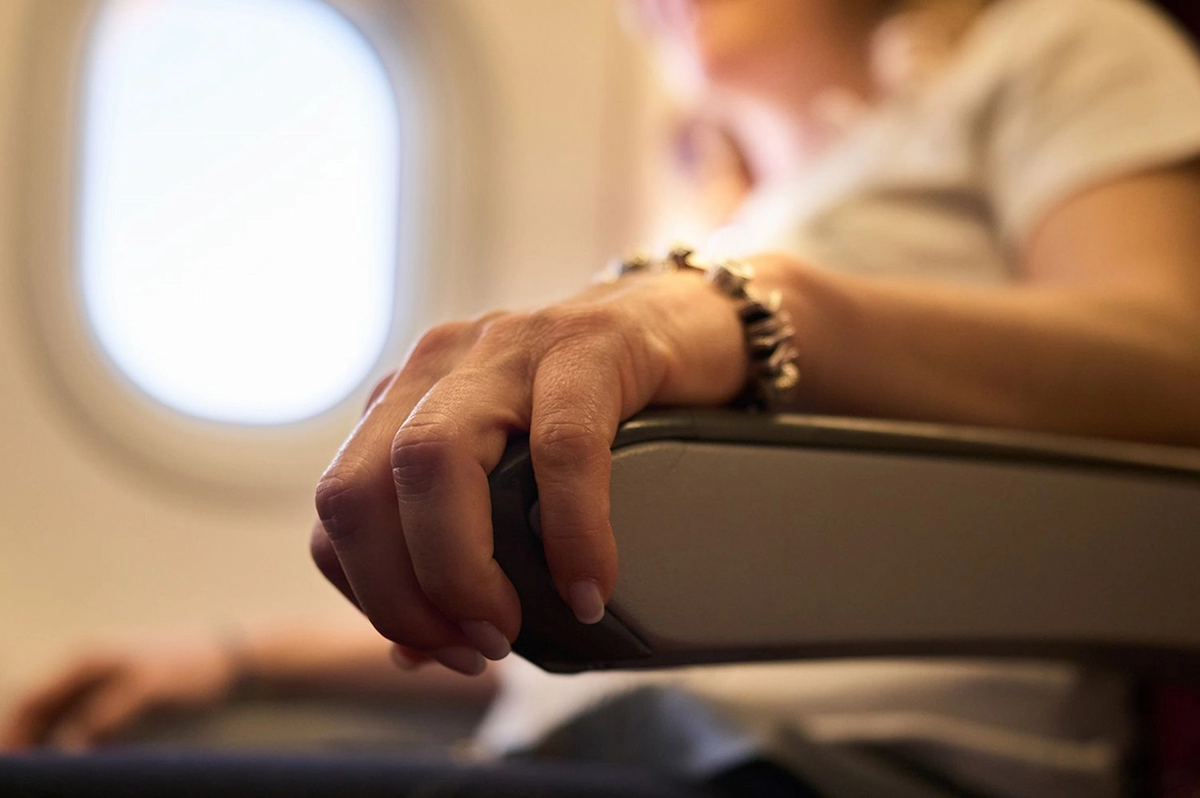
Inside our minds, aviation anxiety (often called aerophobia) usually acts as a combination of different triggers, such as claustrophobia or a fear of heights. When the aircraft door closes, a lack of personal control can make our stress hormones rise. Fortunately, just like learning the physical properties of a vehicle, breaking down aviation facts helps our nervous system find peace.
Let's look at the scientific realities that prove you are completely safe inside a commercial airplane cabin.
The Truth About Turbulence
Comfort vs. SafetyTurbulence is simply an aircraft moving through changing air currents, exactly like a boat riding ocean waves or a car on a bumpy road.
Modern aircraft are engineered to withstand forces far greater than any natural turbulence. It is a matter of passenger comfort, not a structural danger.
The Safety in Numbers
The Safest TransportStatistically, the odds of being involved in an aircraft accident are roughly 1 in 11 million worldwide.
You are far more at risk during your daily drive to a local store than you are sitting in a highly regulated commercial passenger cabin.
🚨 Critical Myth Buster
There is no such thing as a "pocket of zero air" that causes planes to drop out of the sky. Air pressure is continuous, and the wings are constantly held tightly by heavy physical laws, much like an object resting inside a thick block of jelly.
🧳 2. Pre-Flight Preparation: Smart Choices
Overcoming your fear of flying starts long before you step inside the aircraft terminal facility. High anxiety levels are often triggered by a rush to the airport or a feeling of being trapped. By making smart, intentional choices during your booking process, you can build a physical sense of security and control.
Choose the Wing Area
For Maximum StabilityAn airplane works like a seesaw; the front and tail move up and down the most, while the center stays stable.
Select an Aisle Seat
For Freedom of MovementStaring out the window can reinforce your height fears, while a middle seat can feel incredibly restrictive.
⏱️ Arrive Early to Lower Cortisol
Running late for your departure forces your body into a "fight or flight" mode before you even board. Give yourself at least two to three hours at the airport terminal. Walk slowly, look at the calm faces of other travelers, and let your nervous system adjust to the airport environment.
🧬 3. In-Flight Strategies: Calming the Body
When a panic attack hits during a passenger journey, your body's physical responses go faster: your heart races, your breathing gets shallow, and adrenaline fills your system. To stop this, you must use physical grounding exercises to tell your nervous system that you are safe.
The 5-4-3-2-1 Mental Trick
When anxiety takes over, use your senses to bring your brain back to reality. Look at 5 objects in the cabin, touch 4 physical things (like your seat armrest), listen to 3 distinct sounds, notice 2 scents, and focus on 1 taste. This completely breaks the panic loop.
📝 Physical Steps for Instant Calm
- ✨
Use the 4-7-8 Breathing Technique Inhale deeply for 4 seconds, hold it for 7 seconds, and exhale completely for 8 seconds. This directly drops your heart rate.
- ✨
Avoid Coffee and Energy Drinks High doses of caffeine mimic the physical signs of a panic attack, raising your heart rate and making your anxiety much worse.
- ✨
Bring High-Absorption Distractions Load your digital device with deep, immersive games, movies, or complex puzzle books. Keeping your brain active stops fear loops.
🤝 Talk to the Cabin Crew
Do not hesitate to tell the cabin crew that you are an anxious flyer when you board. Flight attendants are trained extensively in passenger psychology and aviation safety. Knowing an expert is monitoring you can offer huge comfort during rough air currents.
🩺 4. Professional Support and Long-Term Solutions
If your fear of flying completely stops you from booking vacations or managing business travels, it might be time to look past basic tips. Severe aerophobia is highly treatable through targeted medical and behavioral therapy fields.
CBT Therapy
Work with a certified psychologist to rewire your brain's negative patterns.
Flight Courses
Join dedicated "Fear of Flying" courses run directly by leading commercial airlines.
Medical Care
Consult a medical professional if you require immediate temporary relief for a long-haul trip.
🎈 The Path to Freedom
Aerophobia is not a permanent flaw. By treating it with a systematic approach—combining logical science, pre-flight preparation, and professional tools—you can slowly expand your personal comfort boundaries and reclaim your freedom to explore the world.
🚀 Reclaim the Skies
Flight anxiety can make your journey feel like an impossible struggle, overshadowing the beautiful vacation destination waiting for you at the end. However, your fear is simply an emotional reaction to an unfamiliar environment, and it can be controlled with the right behavioral tools.
By relying on rigorous safety facts, preparing your cabin space early, adjusting your breathing patterns, and leaning on expert airline support, you take complete charge of your flight experience.
Your Fearless Flight Checklist
On your next flight, put these systematic steps into action. Your mind and body will realize that the skies are a gateway to wonder, not a place of danger!
🙋🏽♂️ Frequently Asked Questions (FAQ)
Do you still have concerns about managing your flight anxiety? Here are the scientific, expert-backed answers to the most common passenger questions about overcoming the fear of flying.