How to Shower and Sleep During a 5–6 Hour Airport Layover (Without Paying for a Hotel)
Quick answer: stay airside, eat, take one 90-minute sleep cycle (or a 20-minute nap), shower, and be at your gate about 60 minutes before departure. A single-entry lounge pass is usually the best value. A hotel makes sense from about 8 hours.
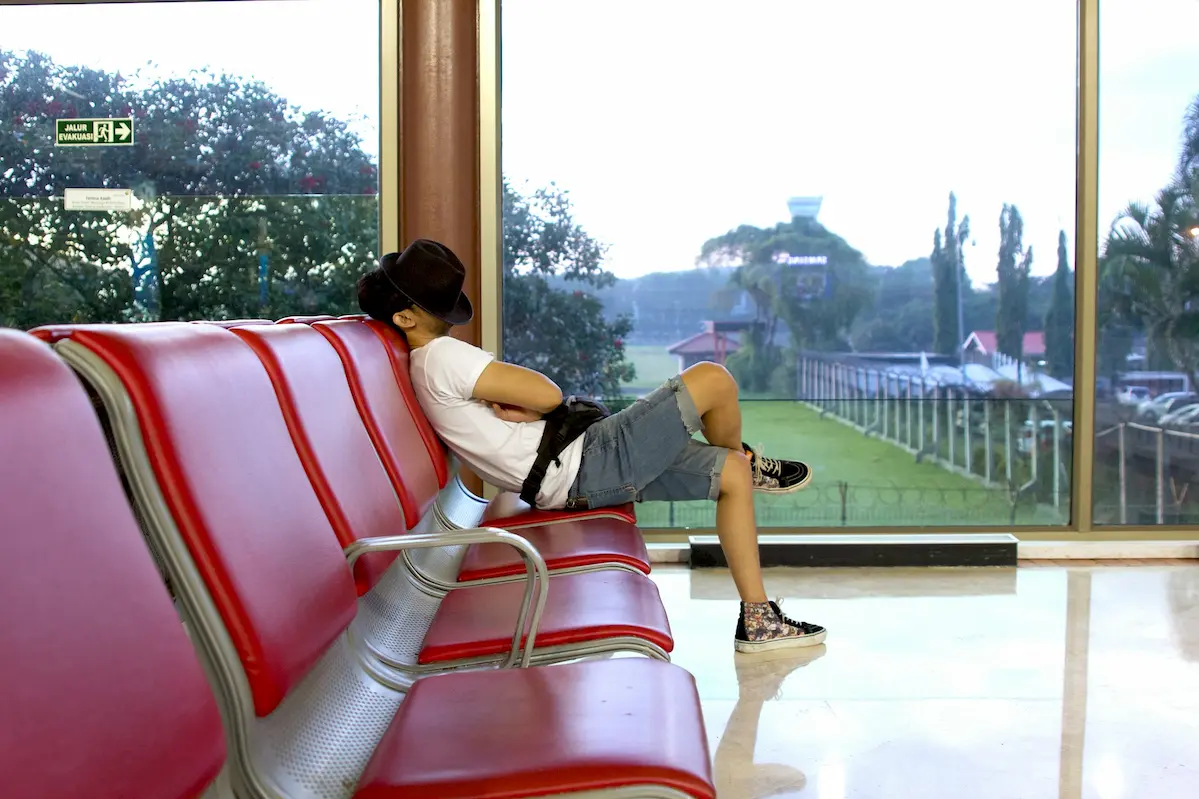
Do Not Disturb
Wake at boarding − 60 min
General travel information. Prices, shower access and hours vary by airport and lounge.
How Much Time Can You Actually Rest?
Your layover length is not your rest time. Walking to transit, security and the boarding buffer all come out of it. Formula: rest time = layover − walking (30–60 min) − transit security (20–60 min) − boarding buffer (about 60 min).
90 min
One full sleep cycle. Waking at its end is easier than in the middle.
20 min
A power nap. Short enough to avoid deep sleep and grogginess.
~60 min
Be at the gate about an hour before departure. Gates often close 15–20 min before.
2–3 h
A common maximum stay on a single-entry lounge pass. Check it before you book.
4 h+
From about 4 hours, a lounge pass usually starts to beat terminal food prices.
8 h+
From about 8 hours, a hotel or leaving the airport becomes realistic.
Tap your layover length
3 h → about 35 min of rest · 4 h → about 1.5 h
Too short to leave the terminal. Go airside, eat something hot, charge your devices and take a 20-minute nap. If your next gate is far away, a Fast Track pass protects your buffer.
5 h → about 2.5 h of rest · 6 h → about 3.5 h · 7 h → about 4.5 h
The sweet spot for one lounge visit: a proper meal, a 30-minute shower and one full 90-minute sleep cycle, without rushing to the gate.
8 h → about 5.5 h of rest · 10 h → about 7.5 h
Choose a sleeping pod, a 24-hour lounge or a transit hotel. If you leave the terminal, check visa and baggage rules first and pre-book a fixed-rate transfer.
Rest, eat and shower in one place
One flat fee at your transit airport.
Gate Bench vs Sleeping Pod vs Lounge vs Hotel
People searching "sleeping pods vs lounge" want to know how much real sleep they get for their money. Moon ratings are our editorial estimates, not measured data.
| Option | Cost | Sleep | Shower & food | Watch out for |
|---|---|---|---|---|
| Gate bench | Free | No | Armrests, noise, exposed bags | |
| Sleeping pod | Per hour | Sometimes | Minimum booking time, few pods | |
| Lounge pass Best value | One flat fee | Food yes, shower at many | Maximum stay, capacity limits | |
| Transit hotel | Highest | Private bathroom | Often sold in blocks; may need passport control |
The detail most guides skip: lounge stay limits
Many single-entry lounge passes cap your stay at roughly 2–3 hours, and the clock usually starts at check-in. On a 6-hour layover, check the limit first and ask the desk whether you can extend, or time your visit for when you actually want to sleep and shower.
Decide in 10 seconds: what do you need most?
See pods, quiet zones and lounges at your airport
Airport-by-airport sleeping and lounge guides.
9 Tips for Sleeping Well in a Short Layover
Based on how sleep works, not on airport folklore.
1. Nap 20 minutes or a full 90. Avoid the middle.
Waking from deep sleep at 40–60 minutes often causes sleep inertia, a groggy feeling that can last 15–30 minutes or more.
2. Drink the coffee, then sleep.
Caffeine takes roughly 20–30 minutes to act, so a 20-minute nap wakes you as it kicks in. Skip it if you plan to sleep over 3 hours.
3. Two alarms: vibration and sound.
Earplugs and headphones hide gate announcements. Use a vibrating wristband, plus a loud phone alarm a few minutes later.
4. Charge your phone before you sleep.
Your alarm needs battery. Spare lithium batteries and power banks must travel in your carry-on, not checked luggage.
5. Secure your bag first.
Loop a strap around your leg or arm, keep passport and phone in an inside pocket and sit within view of staff.
6. Dress for a cool terminal.
Body temperature drops as you fall asleep. Socks and a scarf that doubles as a blanket weigh almost nothing.
7. Use light to steer your body clock.
Dim screens before a nap. If your next flight lands in the morning, get bright light after you wake up.
8. Water first, go easy on alcohol.
Alcohol can make you drowsy but tends to fragment sleep. A full glass of water before lying down helps more.
9. Recheck your gate after waking.
Gates change, sometimes to another terminal. Check the screen or airline app before you walk.
The 100-gram sleep kit
Five light items that make any seat better. Tap to see them.
- Eye mask
Lounges and terminals are rarely fully dark. - Earplugs
Still set an alarm: you won't hear announcements. - Warm socks and a scarf
Your body cools as you fall asleep. A scarf doubles as a blanket. - A fresh shirt
The biggest reset after a shower. - Charger and power bank
Power banks go in the carry-on, never in checked luggage.
Where to Shower at the Airport
Showers are mainly in airport lounges, transit hotels and some pay-per-use shower facilities. Many independent lounges let single-entry pass holders book a shower, but availability depends on the airport, so confirm it on the lounge page before you buy.
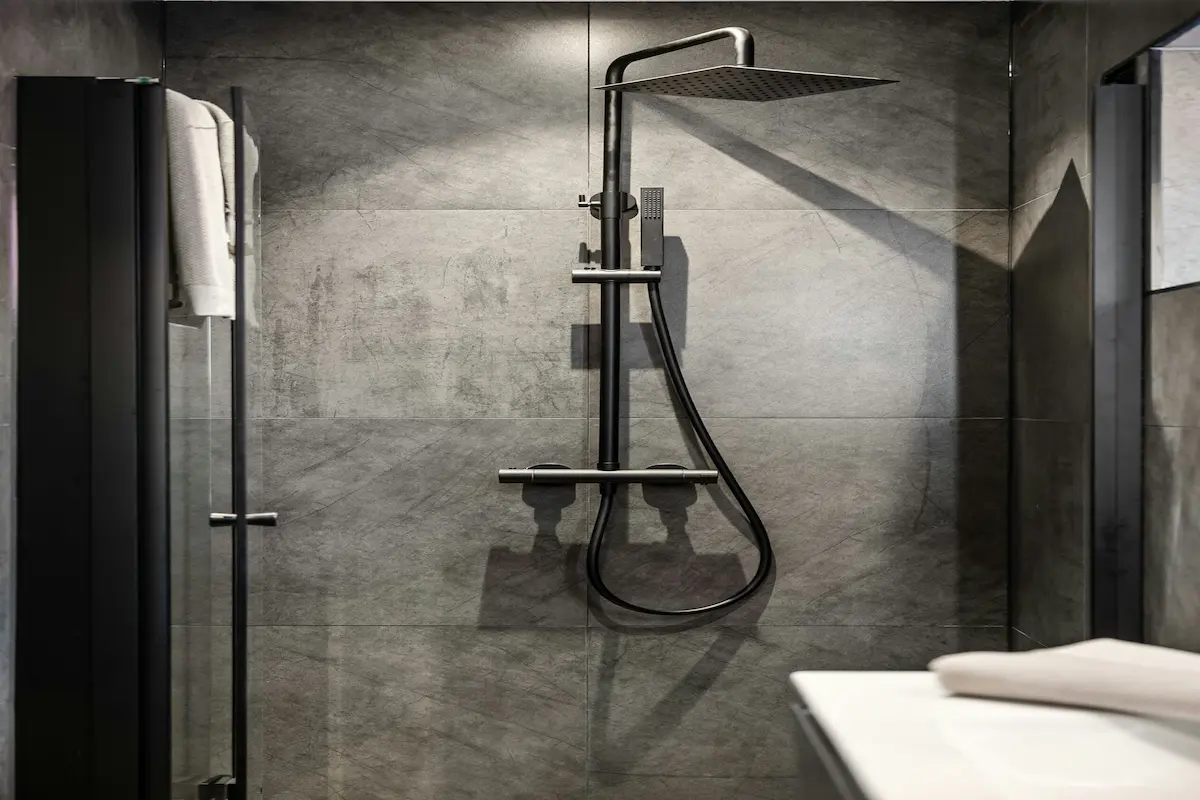
- Ask for a slot first. Showers can have a waiting list at busy times, so book before the buffet.
- Check what is included. Towels and toiletries are common but not guaranteed.
- Shower after your nap if your next flight is long. You board warm and awake.
- Pack a fresh shirt. It does more for you than the shower itself.
The 15-minute reset
Find a lounge with a shower
Check showers, hours and stay limits for your airport.
Should You Leave the Airport During a Layover?
City time = layover − about 3 hours at the airport − round-trip travel time. The 3 hours cover border control, security and a boarding buffer, and can be more at big hubs.
6 h layover, 45 min each way
6 − 3 − 1.5 = about 1.5 hours. Usually not worth the stress.
8 h layover, 45 min each way
8 − 3 − 1.5 = about 3.5 hours. Possible if visa and bag rules work.
12 h layover, 45 min each way
12 − 3 − 1.5 = about 7.5 hours. A real half-day, or a full night in a hotel.
One ticket or two? It changes everything
One booking reference
- Checked bags are normally sent through to your final destination.
- If you miss the connection, the airline is generally responsible for rebooking you.
- You can sleep and shower without touching your bags.
Separate tickets (self-transfer)
- You usually collect and re-check your bags yourself.
- You may clear immigration and security again, so rest time shrinks.
- If you miss the second flight, the second airline typically owes you nothing.
Going out? Drop your bags first
Luggage storage and a fixed-rate ride, planned in advance.
A Sample 6-Hour Night, Hour by Hour
Arrival 21:30, departure 03:30. Do not disturb until boarding − 60
Bedtime stories: which traveller are you?
Tonight's Menu
Everything that makes a long connection easier, in one place.
Sweet dreams, safe connection
Skip the cold gate chairs. A shower, a hot meal and a quiet seat are a few taps away.