
How much of the 'strange laws' lists that get the most interaction on the internet reflect the truth? A simple action that we never think about while doing on our own street can turn into a diplomatic crisis or a judicial process on the other side of the ocean. Knowing the legal boundaries that will protect your freedom, not just local delicacies, is the most important part of your trip.
The Real Deal: Strange Laws That Are Actually True
Contrary to many internet myths, some legal restrictions are very real and strictly enforced to protect your freedom and budget. These rules prove that knowing the local legal boundaries is the most vital part of your journey to ensure a stress-free experience.
Italy: History, Peace, and Pigeons
If you are planning a trip to Italy, you should know that this beautiful country has some very specific and strict rules to protect its history, peace, and animals. Here are three important laws you must follow:
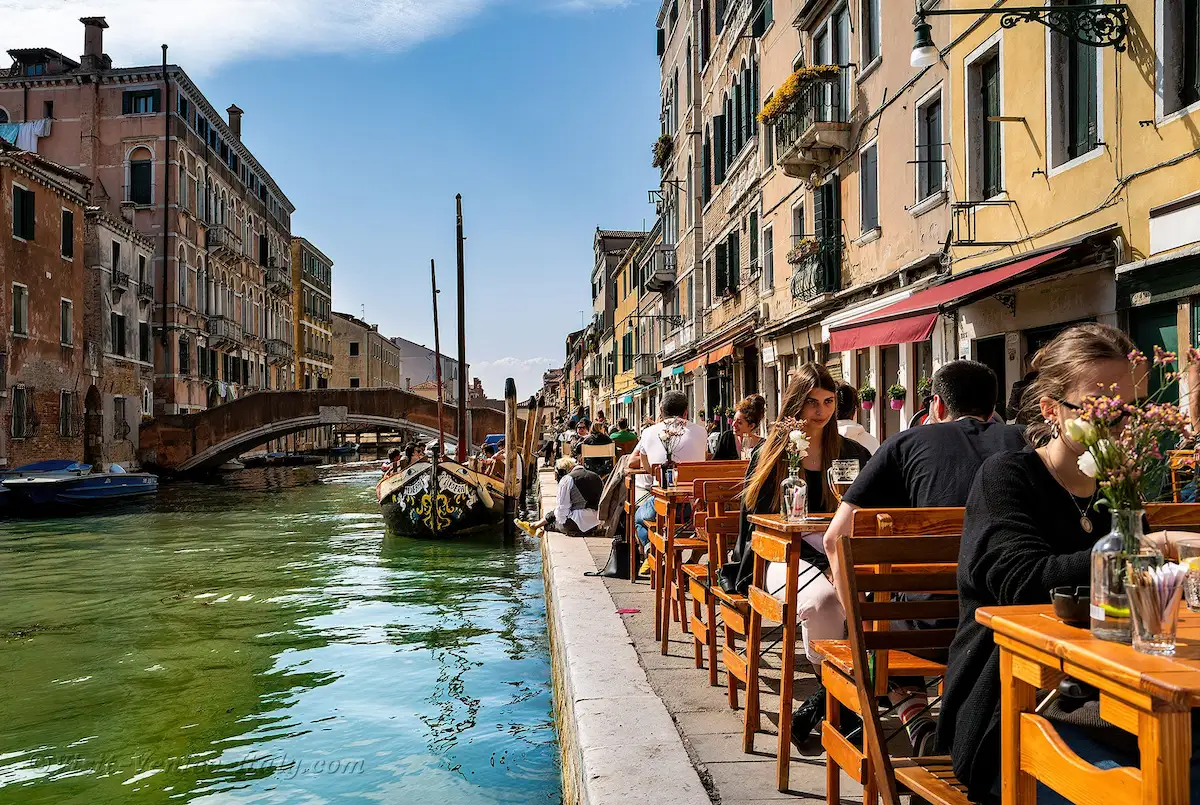
First, feeding pigeons in Venice is strictly forbidden, especially in the famous St. Mark's Square. Since 2008, the city has banned this activity to protect its priceless marble statues and historical buildings. The acidic nature of pigeon droppings causes serious damage to the architecture. If you are caught feeding the birds, you can face a fine ranging from 50 Euro to 500 Euro.
Second, you need to be very quiet in Capri. On this elegant island, it is illegal to wear noisy footwear like wooden clogs or loud flip-flops in public. The local people value their peace and silence above everything else. This rule has been in place since 1960, and tourists who make too much noise with their shoes can be stopped by the police and fined. While the exact amount varies, it is definitely not worth the "clack-clack" sound on the pavement!
Finally, Rome has very strict laws about animal welfare. In the capital city, it is a legal requirement to take your dog for a walk every day. Keeping a dog locked inside the house or a car is considered a crime. If you do not provide your pet with enough exercise and fresh air, you can be fined up to 500 Euro. The law ensures that every "furry citizen" of Rome lives a happy and healthy life.
Italy is a wonderful destination, but remembering these rules will help you have a trouble-free vacation while respecting the local culture and environment.
Thai Traditions: Protecting the Monarchy and Public Decency
Before you dive into the vibrant streets of Bangkok or the beaches of Phuket, you must understand that Thailand takes its traditions very seriously.
The most critical rule involves the local currency, the Thai Baht. Because every coin and note bears the sacred image of the King, stepping on money is seen as a direct act of disrespect toward the Monarchy. Under the country's strict "Lèse-majesté" laws, this is a major criminal offense that can lead to 3 to 15 years in prison. If a banknote flies away in the wind, never use your feet to stop it always use your hands to avoid severe legal consequences.

When it comes to transportation, the heat is no excuse for breaking the law. It is strictly illegal to drive a car or ride a scooter without wearing a shirt. While it might be tempting to drive in your swimwear after a beach day, Thai police frequently stop shirtless drivers and issue on-the-spot fines, usually ranging from 200 to 500 Baht. To avoid unnecessary trouble and keep your travel budget safe, ensure that you are properly dressed whenever you are behind the wheel. In Thailand, showing respect for the national symbols and maintaining a decent appearance on the road are the best ways to ensure a memorable and safe trip.
Greece: Protecting Ancient Marble from High Heels

As you prepare to explore the cradle of Western civilization, you should be aware that Greece protects its ancient stones as much as its people. When visiting world-famous sites like the Acropolis or the Odeon of Herodes Atticus, you must leave your high heels at the hotel. Since 2009, wearing high-heeled shoes in ancient venues has been strictly prohibited because the concentrated pressure of the heels can chip and wear down the 2,500-year-old marble. Security guards will not allow you to enter with such footwear, and ignoring the rules can lead to fines for damaging national heritage sites. To avoid a ruined tour, always choose flat, comfortable shoes for your historical walks.
Canada: Legal Limits on Coins and Baby Walkers
While shopping or traveling in Canada, you should be aware of some very practical legal limits.
First, there is a legal limit on paying with coins. According to the Canadian Currency Act, a seller can legally refuse a payment if you use too many coins for a single transaction. For example, you cannot pay a 10-dollar debt using only 5-cent coins. This rule exists to keep commercial transactions efficient and prevent long lines at the registers. So, always make sure to have banknotes or a card for larger purchases.

The second and more serious law is the total ban on baby walkers. Since 2004, it has been illegal to sell, import, or even advertise baby walkers in Canada. Health Canada determined that these devices pose a high risk of injury and delay motor development in infants. Breaking this law is not a minor issue; violators can face massive fines of up to $100,000 or even 6 months in prison. In Canada, safety and efficiency are strictly enforced by the law.
Switzerland: The Right to a Companion

When it comes to animal welfare, Switzerland has some of the strictest laws in the world. According to the 2008 Animal Protection Act, it is illegal to keep "social species" alone. This rule specifically applies to animals like guinea pigs, parrots, and goldfish. The Swiss government considers it an act of cruelty to force these social creatures to live in isolation, as it causes them psychological distress. Therefore, owners are legally required to provide them with at least one companion of their own species. If you are caught keeping a social animal in solitude, you can face significant fines for animal abuse. This law is so strictly followed that there are even services to rent a companion animal if one of a pair dies, ensuring the owner remains in compliance with the law. Violating this law is treated as animal cruelty and can result in administrative fines reaching up to 20,000 Swiss Francs depending on the severity of the isolation.
Tibet: Reincarnation Needs State Approval
While it may sound like a plot from a fantasy movie, the regulation of spiritual rebirth in Tibet is a legal reality. Since 2007, under the "Measures on the Management of the Reincarnation of Living Buddhas" the Chinese government has asserted total control over the spiritual succession of high-ranking Buddhist monks. According to Order No. 5 issued by the State Administration for Religious Affairs, any Buddhist lama who intends to reincarnate must first file an official application and obtain government permission.

This law states that without a formal "reincarnation permit" from the state, the recognition of a new spiritual leader is considered illegal and invalid. Violating this regulation leads to severe consequences, including the revocation of a monastery's legal operating permit, heavy administrative fines, and the official removal of the monk’s religious status and titles. In short, in Tibet, the cycle of rebirth is not just a matter of faith, but a matter of state law with strict legal penalties.
The Caribbean: No Camouflage Allowed
When packing for your Caribbean getaway, make sure to leave any camouflage-patterned items behind. In many island nations, including Barbados, Jamaica, St. Lucia, and St. Vincent, it is strictly illegal for civilians to wear camouflage clothing. This law is not limited to military-style jackets or pants; it also covers hats, bags, and even children’s apparel featuring the pattern. The logic behind this ban is to ensure that only authorized military and police personnel are identifiable, preventing confusion among the public and stopping criminals from impersonating officials.

The legal consequences for violating this ban are surprisingly harsh. If you are caught wearing camouflage, the police will likely confiscate the item on the spot. Beyond losing your clothing, you could face heavy fines exceeding $2,000 or, in more severe cases, be sentenced to up to one year in prison. Many travelers have been stopped at airports immediately upon arrival for wearing camo-print gear. To ensure a stress-free vacation, stick to solid colors or floral prints and respect the local laws regarding official uniforms.
Germany: The Prohibition of Running Out of Fuel

The German Autobahn is famous for high speeds, but you must be prepared. It is illegal to run out of gas on the highway. Under German law, you can only stop for emergencies or mechanical failures. Running out of fuel is seen as a preventable mistake because it is the driver’s job to check the tank. If you stop because your tank is empty, you are endangering traffic. This can result in a fine between €30 and €70. In serious cases where you cause a big traffic jam, you could even face a six-month driving ban. Always fuel up before you hit the Autobahn to avoid these penalties.
Japan: The Strict Ban on Common Medications
When traveling to Japan, your medicine kit could lead to serious legal trouble. Japan has incredibly strict laws that ban many common over-the-counter medicines used globally. Products like Vicks Inhalers, Sudafed, and Actifed are illegal because they contain ingredients that Japan classifies as stimulants. Even if these medicines are legal in your home country or prescribed by a doctor, bringing them across the border is a criminal offense. Customs agents can seize these items immediately, and you may be detained for investigation.

The penalties for breaking these laws are severe and strictly enforced. You could face arrest, weeks of detention, or even deportation. For example, ADHD medications like Adderall are completely illegal, regardless of medical necessity. To avoid these harsh penalties, you must check every ingredient in your medicine before you fly. If you need to bring specific medications, you must apply for an official certificate called a "Yunyu Kakunin-sho" at least two weeks before your trip. In Japan, simply not knowing the law is not a valid defense.
Barcelona: Public Spitting and Civility Laws
When you walk through the historic streets of Barcelona, you must follow strict rules for cleanliness. Under the city’s laws, spitting on the street is strictly forbidden. This rule exists to protect public health and keep the beautiful plazas clean for everyone. In Barcelona, the streets are like a shared home, so the local police take actions like spitting, littering, or public urination very seriously.

If the police catch you spitting in public, you will receive an on-the-spot fine between €100 and €300. These fines are even higher if you are near famous monuments or in crowded areas with children. To avoid these expensive penalties and show respect to the local people, you should treat the city's public spaces with care. Keeping the streets clean ensures a trouble-free trip and shows that you respect the local community.
Maldives: Religious Materials and Import Bans
When traveling to the Maldives, you must be extremely careful about what books or symbols you carry in your luggage. As a 100% Islamic nation by law, the Maldives strictly prohibits the importation of any non-Islamic religious materials. This includes the Bible, Torah, or any religious idols and statues used for worship. Customs officers at the airport are authorized to seize these items immediately upon discovery. While small items for personal use may sometimes be kept in bond until your departure, bringing multiple copies of religious texts is seen as a serious offense.

Breaking religious laws in the Maldives has serious consequences. It is a crime to practice any religion other than Islam in public or to share non-Islamic books. If you try to spread a different religion, you can face heavy fines, deportation, or 2 to 5 years in prison. Visitors must keep religious activities inside private rooms or resorts. There is zero tolerance for sharing different beliefs with local people. To stay safe, you must follow these strict rules and respect the local law.
South East Asia: The Infamous Durian Ban
The Durian is famous for its creamy taste and its very strong smell. In countries like Thailand and Singapore, you cannot carry or eat this fruit in public places. Its smell is like rotten onions and can stay in air conditioners for days. This is why you will see "No Durian" signs in hotels, subways, and airports.

Breaking this rule is expensive. In Singapore, carrying a Durian on the subway can cost you a $500 fine. Hotels also charge hundreds of dollars as a "cleaning fee" to remove the scent. To avoid these "stinky" fines, always eat your Durian at open-air street stalls instead of bringing it to your hotel.
Bhutan: Tobacco Sales and Strict Tax Laws
Bhutan used to be the only country to ban all tobacco sales. In 2021, the government changed this law to stop illegal smuggling. While you can buy tobacco now, the rules are very strict and the prices are very high.

Current Rules
- No Manufacturing: It is illegal to grow tobacco or make cigarettes inside Bhutan.
- High Taxes: Tobacco is very expensive. Vapes and e-cigarettes have a 115% tax, and regular cigarettes are also heavily taxed.
- Public Smoking Ban: You cannot smoke in public places like offices, schools, temples, or on buses.
- Rules for Minors: Selling any nicotine product to anyone under 18 is a serious crime. Shop owners will lose their business license and pay big fines.
Penalties
The government still uses harsh punishments for those who break the law. Bringing tobacco into the country without paying tax can lead to 3 to 5 years in prison. Smoking in the wrong place will also result in a large fine.
Bhutan’s goal is to make tobacco so expensive and difficult to find that very few people use it.
Urban Legends and Legal Myths
Many of the "weirdest laws" shared across the internet are actually exaggerated stories or misunderstood traditions rather than actual legislation. In this section, we debunk the most popular urban legends that are widely believed to be true but have no real legal basis.
Scotland: The Toilet Hospitality Myth

In Scotland, the myth states that "if someone knocks on your door and asks to use your toilet, you are legally required to let them in." This is a complete urban legend. While Scottish culture is known for its hospitality, there is no law in the Scottish Common Law system that forces a homeowner to allow a stranger into their house. Your home remains your private property, and you have the full legal right to refuse entry to anyone.
Switzerland: The 10 PM Toilet Flush Ban

Similarly, Switzerland is often accused of having a law that "prohibits flushing the toilet after 10 PM" to prevent noise pollution. This is false. There is no federal or local law in Switzerland that bans using the bathroom at night. The myth likely originated from internal house rules in some very old apartment buildings with thin walls and loud plumbing. However, these are private agreements between tenants, not state laws. Rest assured, you can follow your basic hygiene needs in Switzerland at any hour without fear of legal consequences.
UK: It is Illegal to Die in the Houses of Parliament

One of the most persistent legal myths in Britain is the claim that it is illegal to die in the Houses of Parliament. The common explanation is that because the building is a Royal Palace, anyone who passes away there is legally entitled to a state funeral at the public's expense. To prevent this, the story goes, the government simply banned dying on the premises. However, legal experts and the Law Commission have confirmed that no such law exists. In fact, several people have died within the Palace of Westminster over the centuries, and none of them were "arrested" posthumously or automatically granted a state funeral.
France: You Cannot Name a Pig "Napoleon"

This is a very famous "weird law" about France, but it is just a myth. Many people believe it is a crime to name a pig Napoleon because it is disrespectful to the famous Emperor. This story likely became popular because of the book Animal Farm. In reality, there is no such law in France. While old rules once protected the leader's reputation, they never mentioned farm animals. Today, you are free to name your pig Napoleon without any legal trouble.
Denmark: Checking for Children Under the Car
Many people believe a famous story about traffic laws in Denmark. The story says that drivers must look under their cars for sleeping children before they start the engine. While this sounds like a very sweet and important safety rule, it is not actually a real law.

In Danish driving schools, teachers often tell students to check under the vehicle. They do this to teach new drivers how to be extra careful. However, if you look at the official Danish Road Traffic Act, you will not find a specific law about checking for children under the car. Just like in most other countries, you are responsible for making sure the road is clear before you move. So, while it is great safety advice, the idea that it is a "special law" is just a popular myth
Singapore: Prison Sentences for Chewing Gum

The most widely circulated myth about Singapore is that you will be thrown in jail just for the act of chewing gum. In reality, the law specifically targets the import and sale of chewing gum, not the act of chewing it for personal use. You will not be arrested for having a single pack in your pocket. This legend is an exaggeration of Singapore's strict anti-littering and trade laws. Unless you are smuggling large quantities for sale or sticking gum on public property, you are not facing imprisonment.
Fossilized Laws: Obsolete but Official
In the dusty corners of legal codes around the world, there are laws that have never been officially repealed. These "legal ghosts" are technically still in force, but they are so outdated, absurd, or irrelevant to modern life that the authorities simply look the other way.
USA (Arizona): Donkeys Sleeping in Bathtubs

In Arizona, it is technically illegal for a donkey to sleep in a bathtub. This law dates back to a specific local incident in 1924, where a dam break flooded a rancher's property. His donkey, which had grown fond of sleeping in an old outdoor bathtub, was swept miles away in the tub during the flood, leading to a dangerous and costly rescue mission. To prevent future "donkey-in-a-tub" rescues, the law was passed. While it still exists, Arizona authorities today are not patrolling bathrooms for drowsy donkeys.
France: Carrying Live Snails on High-Speed Trains

According to French rail regulations, it is technically illegal to transport live snails on a TGV (high-speed train) without a valid ticket. Since 2008, French law states that any live animal weighing less than 6kg must have its own ticket (costing around €7). This rule officially applies to all "domestic animals," and since snails are technically animals, a literal interpretation means your pet snail needs its own fare. While an SNCF inspector might have a laugh, you are unlikely to be fined for your "fare-dodging" gastropod.
Australia: Rewards for Stolen Property "No Questions Asked"

In South Australia and Tasmania, there is a very old law from the 1800s. According to this law, you cannot post an ad to find your stolen things if you say "no questions asked." The government made this rule to stop people from making private deals with thieves. They want criminals to go to court instead of just getting money. Today, many people still post these ads on social media, and the police usually do not track them because they are very busy.
USA (Georgia): Fried Chicken Ethics

In Gainesville, Georgia -the "Poultry Capital of the World"- it is technically illegal to eat fried chicken with anything other than your hands. Passed in 1961 as a marketing stunt to promote the local poultry industry, the law makes it a "culinary crime" to use a fork and knife. In 2009, a 91-year-old woman was jokingly "arrested" for using a fork, but she was immediately pardoned by the Mayor. It remains a humorous statute that is never seriously enforced by the local police.
Travel Safety: Research Before You Fly
Traveling is about more than just seeing new places; it is about respecting different cultures and their rules. As we have seen, some "weird laws" are real and can lead to heavy fines or even prison. Others are just myths that have spread across the internet.
The best way to ensure a safe and stress-free trip is to do your research before you fly. Knowing the local legal boundaries will protect your freedom and your budget. Remember, every country has its own way of protecting its people, history, and environment. By following these laws, you show respect to the local community and ensure that your only travel memories are happy ones.