
Travel has a beautiful way of expanding our horizons, pushing us out of our comfort zones and introducing us to new ways of living. When we board a flight to a distant country, we usually prepare for new landmarks, fresh cuisinesand beautiful scenery. However, the most memorable parts of international journeys often have nothing to do with traditional sightseeing. Instead, it is the invisible social rules and daily habits of the locals that leave the deepest impression.
Stepping off a plane and into a completely new society can feel like entering an alternative reality. What is considered completely standard, polite or necessary in your hometown might be viewed as an absolute taboo or a bizarre eccentricity in another part of the world. Let us explore the fascinating daily habits and societal structures that continue to stun and delight travelers across the globe.
Japan’s Silence Culture
Stepping onto a public subway train in Tokyo is an experience that instantly shocks the uninitiated western traveller. The platforms and train carriages are completely wrapped in a profound and collective silence. Speaking loudly on your mobile device or having an animated conversation with a friend is not just discouraged, it is treated as a severe social violation. Passengers sit quietly, reading and listening to music through headphones or catching up on sleep, creating a uniquely peaceful travel environment.
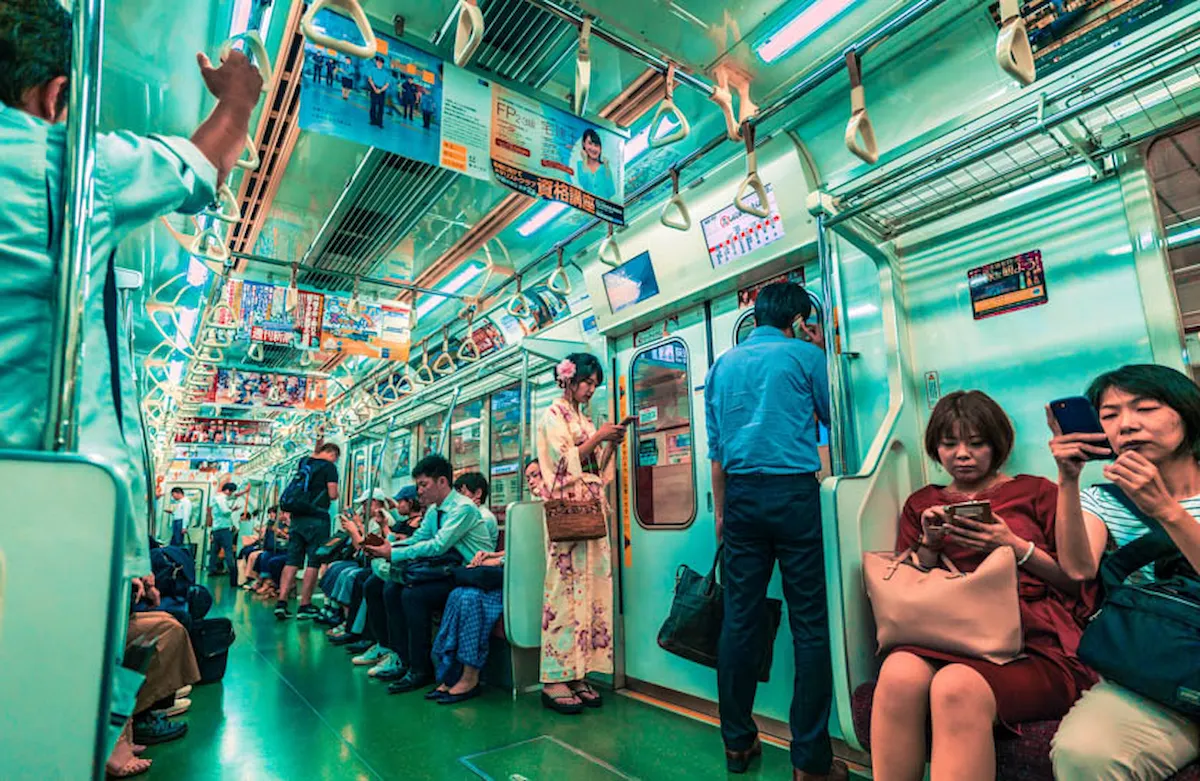
This deep devotion to quietness extends far beyond transit systems and into everyday public spaces like local restaurants and coffee shops. Japanese society places an immense value on collective harmony and maintaining a peaceful atmosphere for everyone sharing a space. For tourists used to the bustling and loud energy of major metropolitan hubs, this total self-restraint offers a beautiful glimpse into the power of shared social order and mutual respect.
The Unstoppable Energy of Balkan Weddings
On the opposite end of the social spectrum, travelling through the Balkan region during the warmer months will likely introduce you to a level of celebration you have never seen before. Balkan weddings are legendary for their high-octane and hours-long celebrations that completely dominate the local community. The festivities frequently spill directly out of the venues and onto the asphalt, where massive honking car convoys wave flags and block traffic to celebrate the newlyweds.
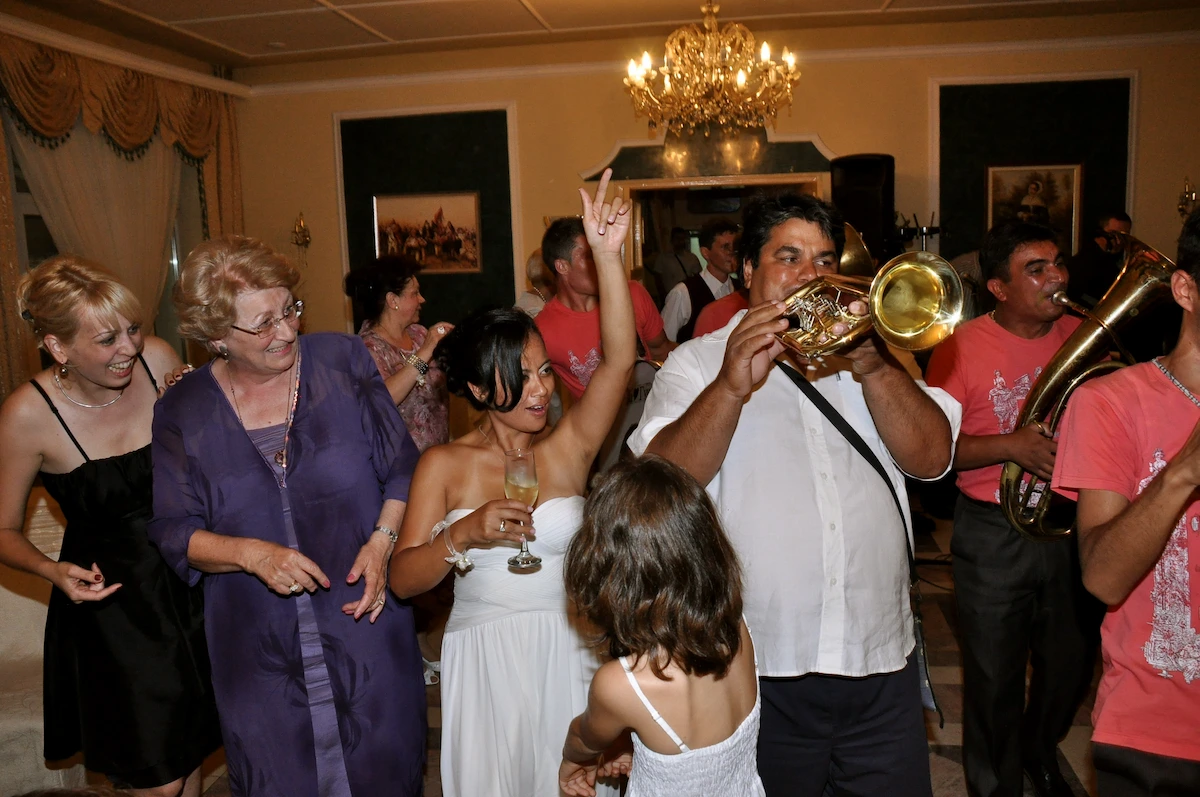
Once the music begins, the energy turns beautifully chaotic. Traditional folk melodies blare from giant brass instruments at extreme volumes and virtually every single guest from children to grandparents takes to the dance floor for hours on end. For an outsider looking in, the lack of restraint and the non-stop dancing can feel incredibly overwhelming, yet it remains one of the most raw and joyful expressions of family unity on the planet.
The Art of the Invisible Bubble in Scandinavia
For travellers who value their personal space, visiting Scandinavia can feel like a breath of fresh air, though the social boundaries take some time to get used to. People in countries like Sweden, Norway and Denmark are famously reserved and private in public settings. The concept of casual small talk with a stranger waiting at a bus stop or a cashier at a local store is virtually non-existent, as locals prefer to respect each other's mental boundaries.
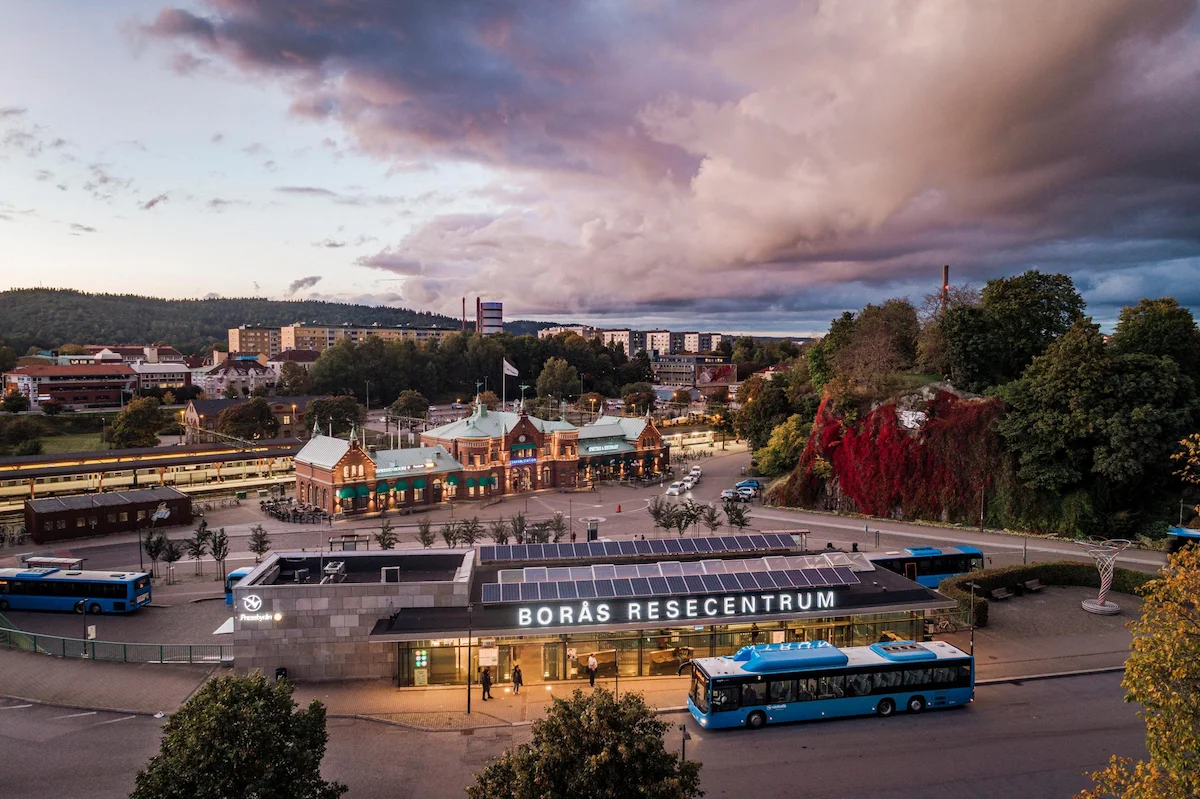
This dedication to personal isolation is perfectly visible on public transport. If a bus or train has empty rows, a local will almost always choose a completely vacant seat rather than sitting next to another human being. While some tourists initially interpret this behavior as cold or unfriendly, it is actually a profound form of politeness. Scandinavians believe that giving others complete privacy, silence and physical space is the highest form of public respect.
The Endless Feast at a Georgian Supra
In the Caucasus region, hospitality is taken so seriously that it can feel like a beautiful form of social pressure. The heart of Georgian culture lies within the "Supra" massive feast that can last for an entire evening. Tables are literally stacked multiple layers deep with plates of hot food, bread and local wine. The hospitality dictates that the dishes must never look empty, no matter how much the guests consume.
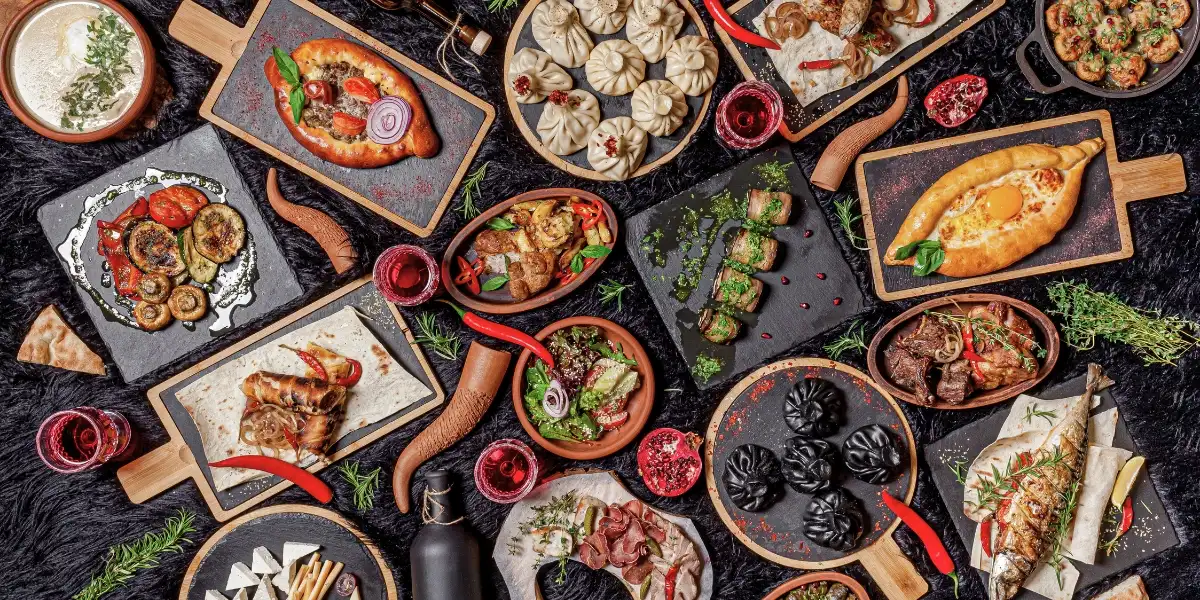
A Supra is led by a designated toastmaster, known as a Tamada, who guides the evening through a series of deeply emotional, philosophical and lengthy toasts. As a guest, you are expected to participate, drink and continuously accept food refills from your hosts. Politely declining a serving or trying to leave the table early can be viewed as an insult to the host's generosity, turning a simple dinner into a thrilling test of physical endurance and cultural appreciation.
The Visual Culture of South Korea
Walking through the vibrant shopping districts of Seoul introduces tourists to a society that treats appearance and self-care with a level of seriousness unmatched anywhere else. South Korea has become the undisputed global capital of skincare and cosmetic innovation. Taking care of your skin, utilizing complex multi-step routines and maintaining a flawless public presentation is a standard expectation for both men and women across all age groups.

This intense focus on aesthetics has normalised cosmetic procedures to a fascinating degree. Gift certificates for minor aesthetic treatments are common graduation presents and advertisements for clinics line the subway walls. For visitors coming from cultures where cosmetic adjustments are kept private, the open, casual attitude toward achieving perfection offers an interesting look into the pressures and triumphs of modern urban beauty standards.
The Unwritten Espresso Laws: Mastering the Coffee Routine in Italy
Italy is a paradise for food lovers, but its historic coffee culture comes with a strict set of unwritten regulations that tourists violate at their own peril. The first major shock for travellers is that ordering a cappuccino after eleven in the morning is considered an absolute culinary crime. Italians firmly believe that milk-heavy coffees are strictly breakfast drinks meant to aid digestion early in the day. Ordering one after a heavy lunch will earn you a confused look from the barista.
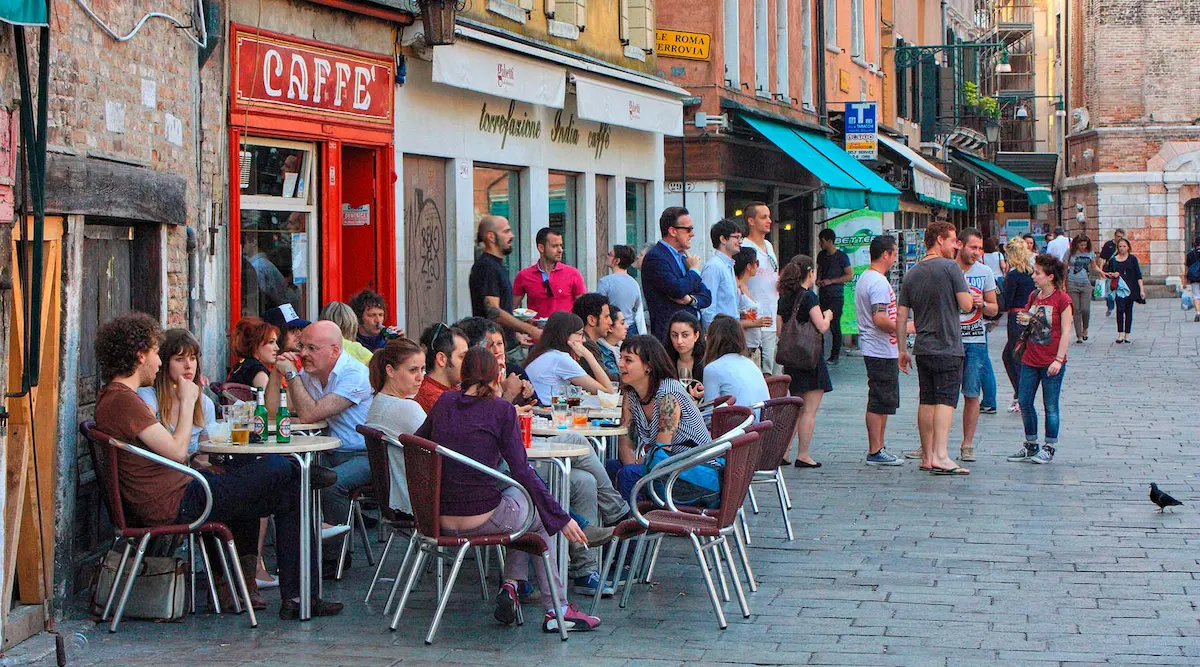
Furthermore, the authentic Italian coffee experience does not involve sitting at a table with a laptop for hours. Locals walk into a bar, order a quick espresso, drink it while standing directly at the counter and leave within three minutes. Understanding this fast, rhythmic ritual is essential for any traveller who wants to blend in and experience Italian coffee culture exactly like a true local.
The Beautiful Rush of India
For first-time visitors, landing in a major Indian city is a full sensory explosion that can be incredibly shocking. The sheer density of human life, color and movement is unmatched. The most visible manifestation of this energy is found directly on the roads. Traffic moves in a fluid, seemingly impossible wave where cars, rickshaws, buses and pedestrians navigate tight spaces with absolute confidence.
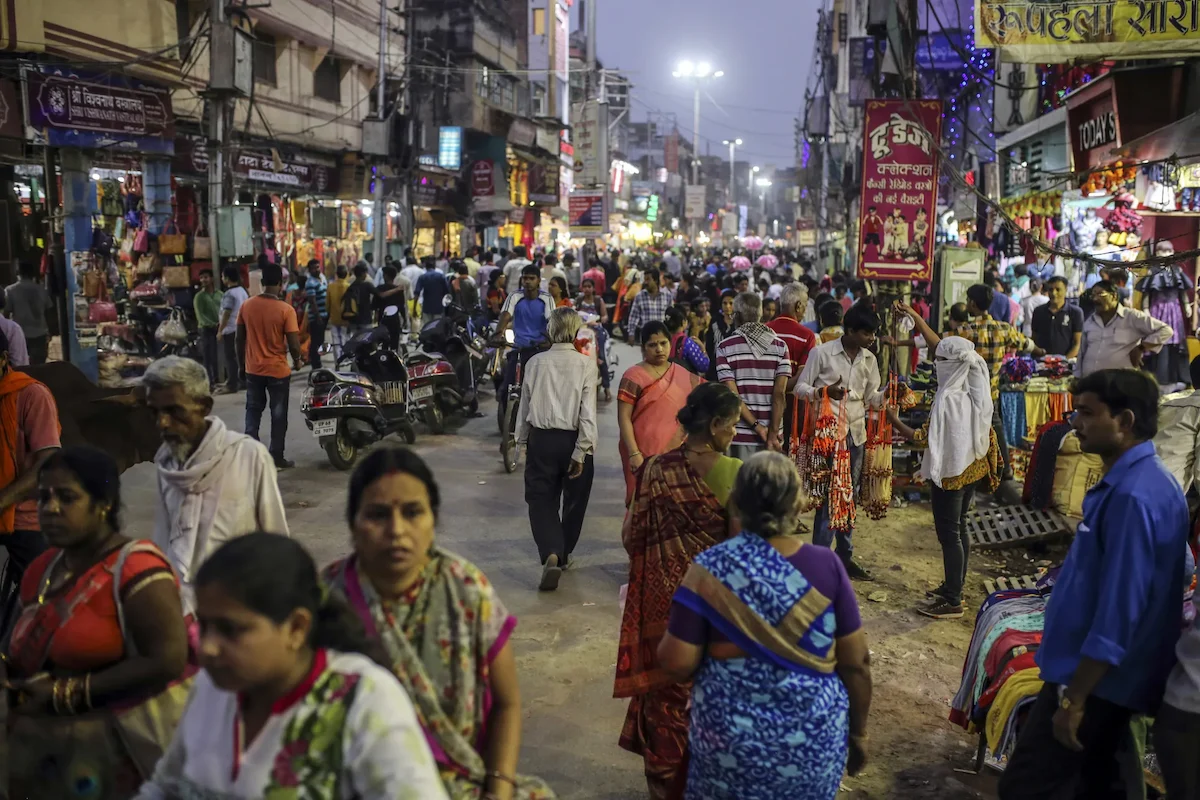
The defining soundtrack of this movement is the car horn. In the West, honking is an expression of anger or an emergency warning. In India, the horn is used as a vital communication tool, a polite way of saying "I am next to you" or "I am passing on your left." Once a traveller understands that the non-stop honking is actually a cooperative language rather than a sign of road rage, the chaotic streets begin to look like a perfectly orchestrated dance.
Rule Obedience and Order in Germany
Germany is a nation that runs on absolute precision, predictability and a deep respect for established systems. Tourists are often stunned to see a crowd of local pedestrians standing completely still at an empty intersection at two in the morning, waiting patiently for the pedestrian light to turn green before stepping onto the pavement. Breaking minor public rules is simply not done and fellow citizens will not hesitate to politely correct your behavior if you make a mistake.
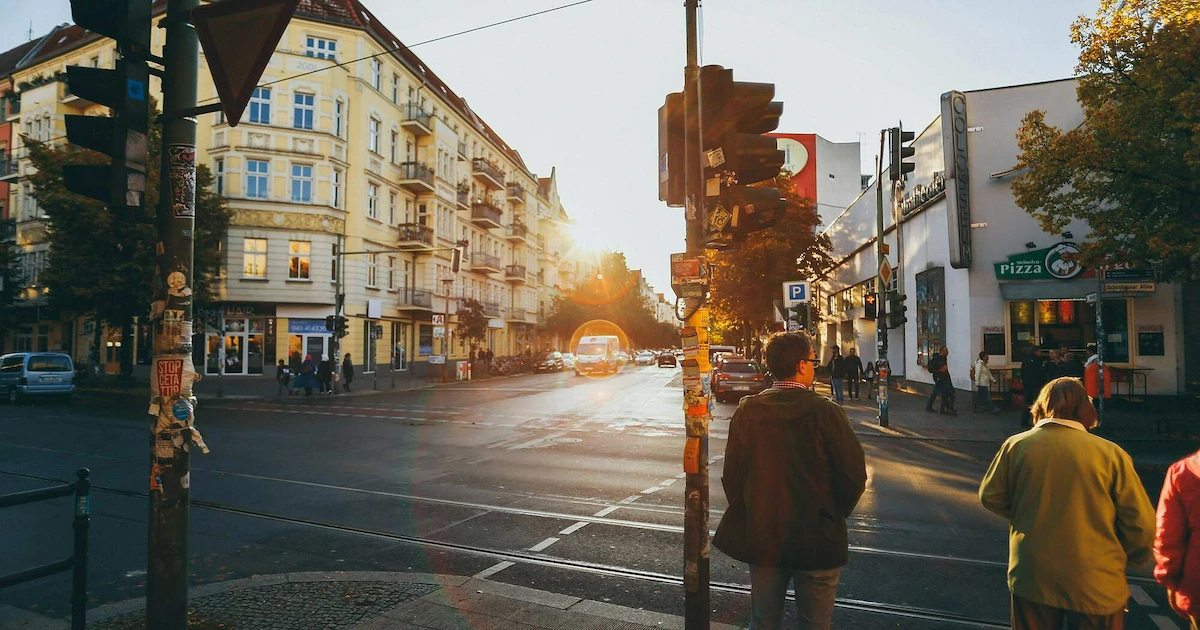
This love for structure is beautifully visible in the country's strict recycling laws and mandatory quiet hours. Throwing a plastic bottle into the wrong bin or making loud noises on a Sunday is taken very seriously by the community. For travellers coming from more relaxed, spontaneous environments, adjusting to this level of social discipline can be challenging, but it rewards you with an incredibly clean, safe and efficiently functioning society.
Overwhelming Hospitality in the Middle East
Travelling through the Middle East introduces visitors to a culture of guest entertainment that is beautifully intense. In Arab society, a guest is viewed as a literal blessing to the household and families will go to extraordinary financial and physical lengths to ensure your absolute comfort. The moment you cross the threshold of a local home, you will be met with an endless parade of coffee, tea, fresh fruits and massive platters of food.
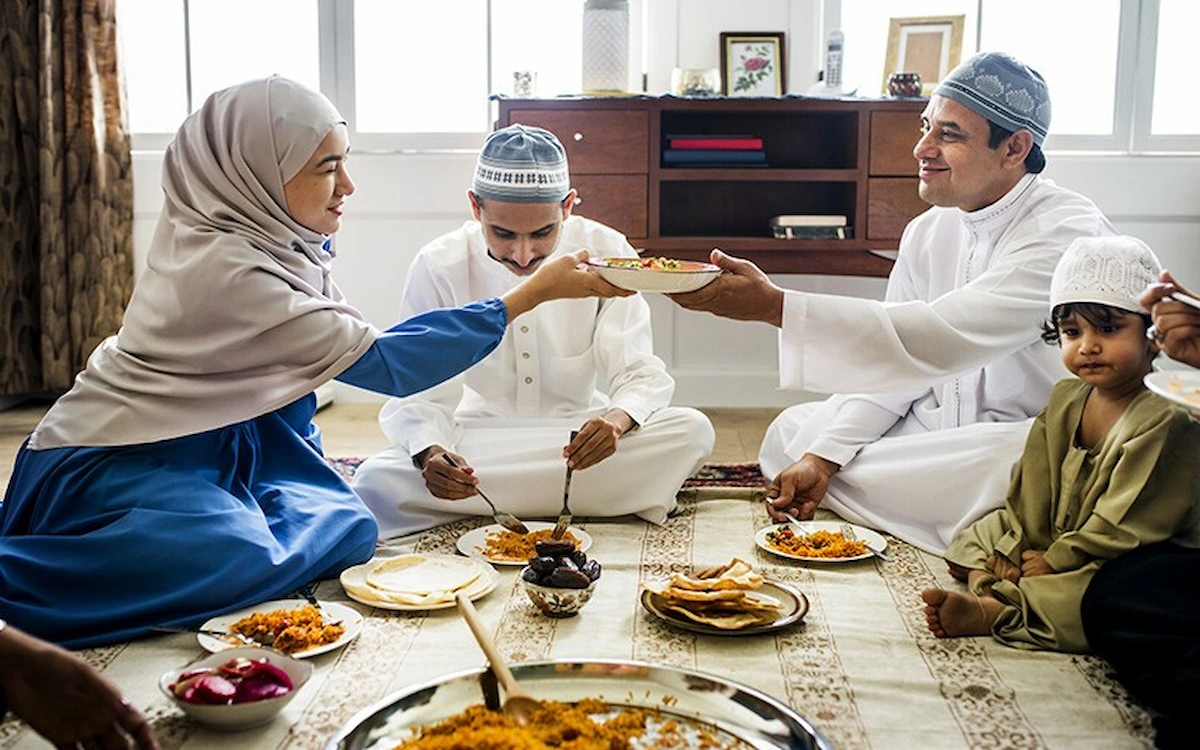
The cultural shock for tourists often lies in the etiquette of refusal. In many Middle Eastern cultures, politely declining a second or third helping of food is viewed as a sign that you are not enjoying the meal or that the host has not provided enough. It is common practice for hosts to insist multiple times and learning how to gently navigate this flood of generosity while pacing your appetite is a vital skill for anyone exploring this deeply warm and welcoming region.
The Instant Small Talk Culture of the United States
For many international visitors arriving at a major airport in the United States, the immediate shock comes from the casual friendliness of complete strangers. It is entirely normal for a supermarket cashier, a fellow passenger in an elevator or someone waiting in line next to you to strike up an enthusiastic conversation, asking how your day is going or complimenting your outfit out of nowhere.

This culture of constant small talk and immediate friendliness can feel deeply suspicious or exhausting to travellers from more reserved societies. However, this random friendliness is simply the standard American social currency. It is a way of creating a welcoming environment in daily public life, reminding us that sometimes, a simple question from a stranger can turn a routine afternoon into a genuinely heartwarming travel memory.