
Travelling the world sounds like a dream until you realize that landing in a country doesn’t always mean you are welcome. Many travelers assume that staying in the "transit zone" makes them invisible to local laws. Unfortunately, that is a myth that leads to missed flights and unexpected deportations every single day. Let’s dive into the strange reality of international transit rules you need to know.
The Ghost Visa
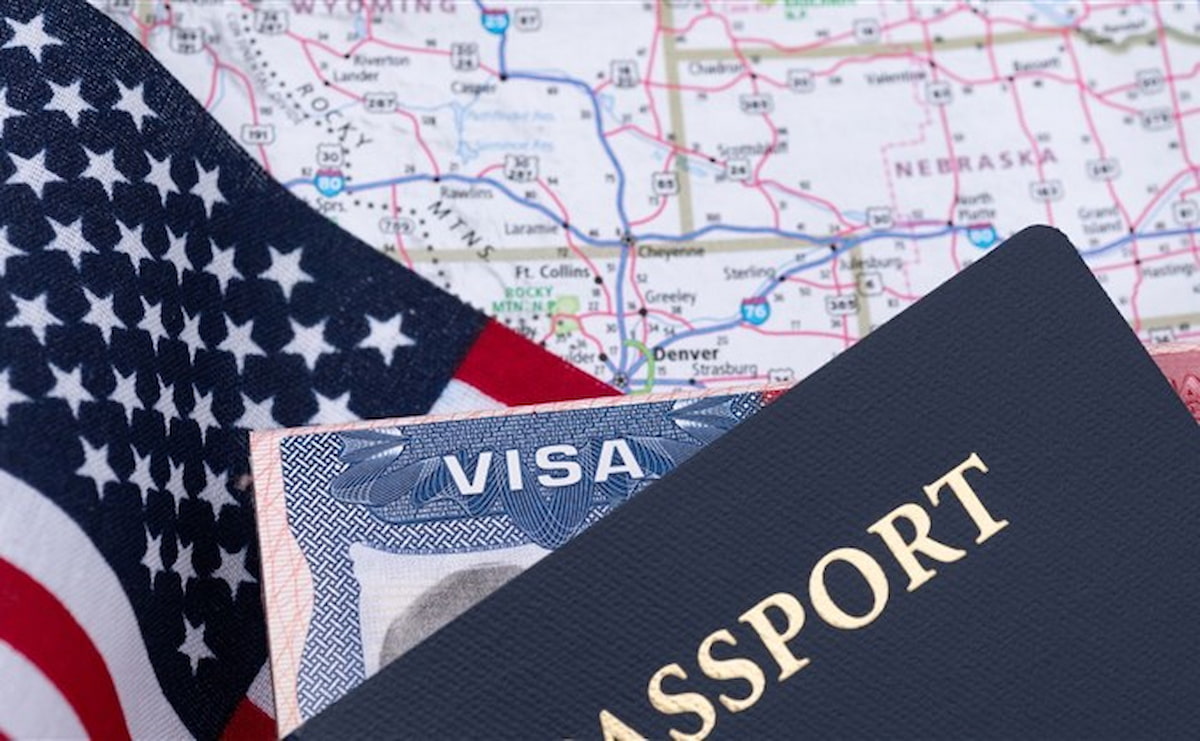
Imagine sitting in your seat, looking out the window at a runway in the USA or Canada. You aren’t getting off. You aren’t even grabbing a coffee. Yet, without a transit visa or an authorization like ESTA/eTA, you are technically breaking the law. These countries do not recognize international transit in the traditional sense. Whether it’s a refueling stop or a quick layover, you must pass through customs. In some cases in the UK and Australia, depending on your nationality, you need a specific piece of paper just to sit in the terminal for two hours. It’s a shock for many, but not leaving the plane is not a valid excuse.
One-Way Tickets
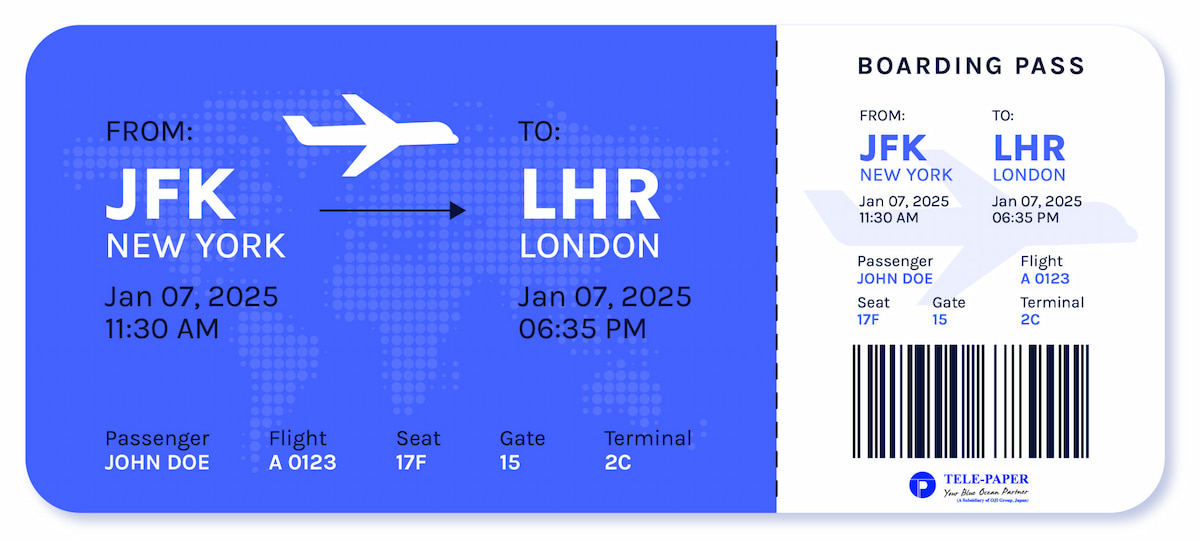
Buying a one-way ticket feels like the ultimate freedom, but to an immigration officer in Bali, Thailand or the UK, it looks like a red flag. They often ask "Are you really a tourist or are you trying to stay forever?". If you cannot prove you have a flight booked out of the country, you might be denied boarding before you even leave your home city. Always have a digital copy of an onward flight, even if your plans are flexible.
Passport Stamps
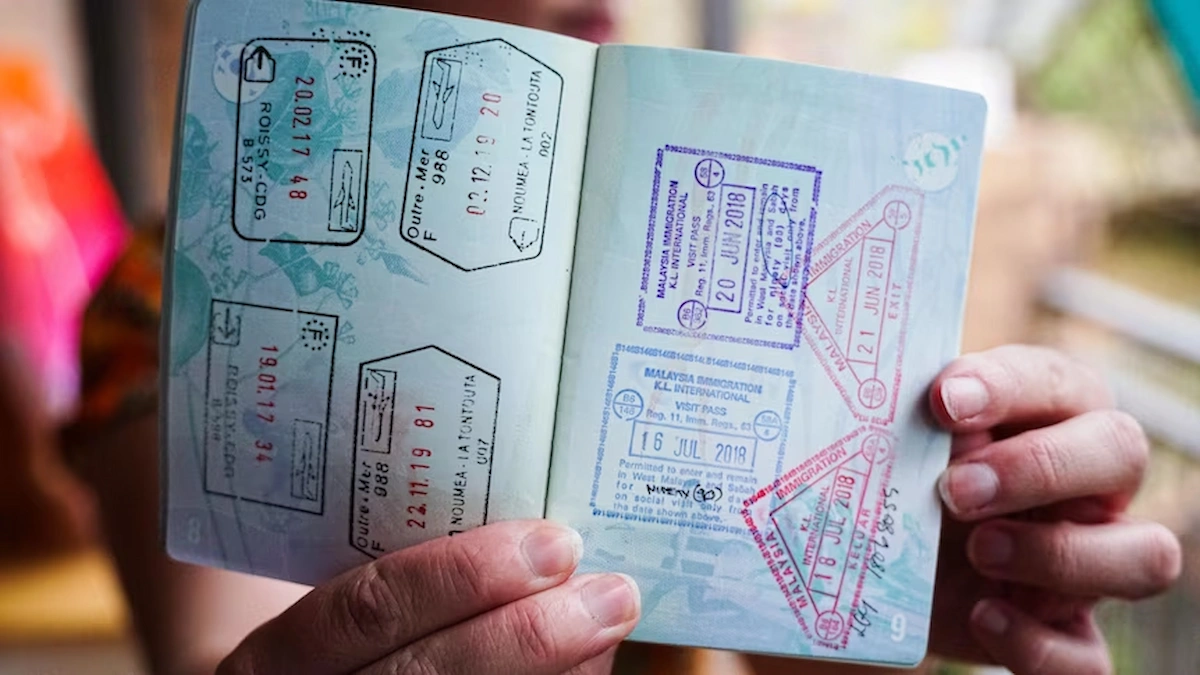
Your passport is a diary of your travels, but some chapters can cause serious trouble. A stamp from Israel can make entry into several Middle Eastern countries nearly impossible. Similarly, tensions between Armenia and Azerbaijan regarding specific border regions can lead to intense questioning or entry bans. Most travelers don't realize that a simple ink stamp from three years ago can ruin a transit plan today. It’s always wise to check if your travel history conflicts with your next destination.
Airport Chaos
Not all transit zones are connected. At London Heathrow Airport or Paris Charles de Gaulle Airport, you might have to change terminals via a train or a bus. Sometimes this requires you to exit the secure area, re-check your bags, and go through security again. If your terminal change requires passing through passport control and you don't have the right visa for that specific country, your journey ends right there in the hallway.
The Hotel Prison
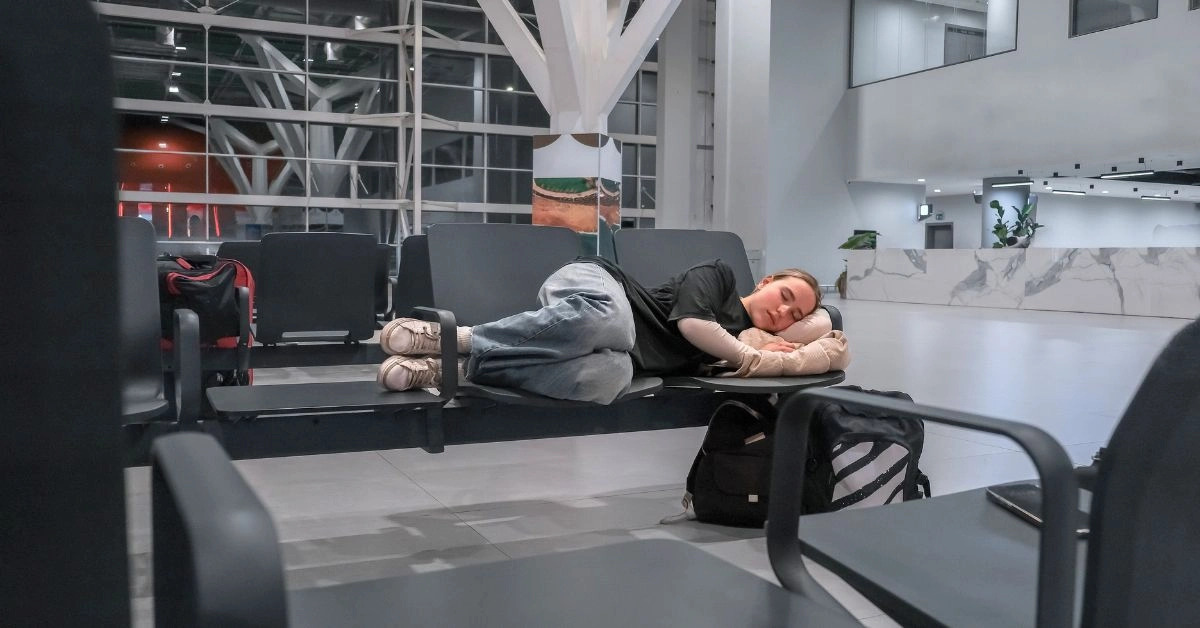
Got a 15-hour layover? You might think about booking a nice boutique hotel in the city to stretch your legs. Think again. In many countries, there is no shore leave. Unless you have a specific transit visa that allows entry, you are legally confined to the airport terminal. If the airport doesn't have an internal transit hotel behind the security line, you’ll be spending your night on a plastic chair, watching the city lights from behind a glass window.

The No Sleep Policy
In some airports, sleeping is treated like a nuisance. While places like Singapore Changi encourage rest, others have strict no lying down policies on benches. Some terminals in Europe actually close at night, forcing transit passengers into a small, uncomfortable holding area or even making them leave the building entirely. Being woken up by a security guard’s flashlight is a relatable nightmare for many budget travelers. Always check if your transit airport is sleep-friendly.
The Luggage Breakup
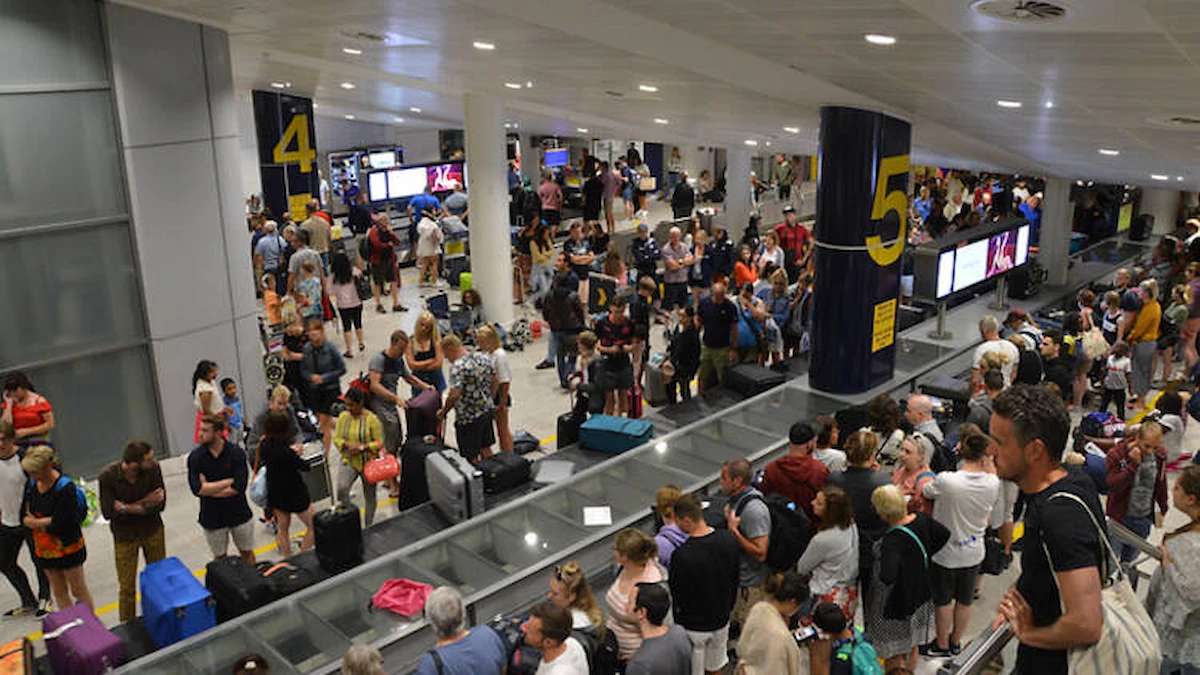
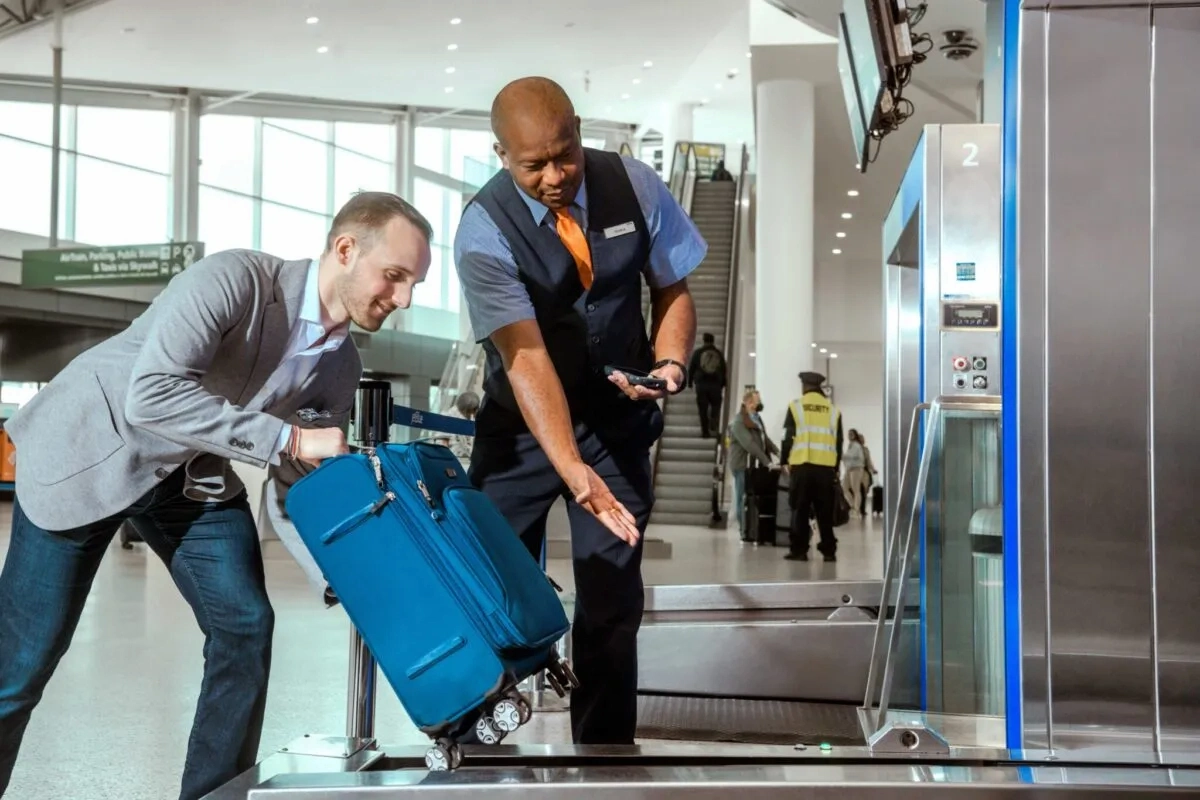
In the United States, even if your bags are tagged through to your final destination like London to Bogota via New York, you usually have to pick them up at your first point of entry. You clear customs with your suitcase, then put it back on a re-check belt just a few meters away. If you forget to grab your bag at the carousel because you think it’s automatic, your luggage will stay in the US while you fly across the ocean.
The Self-Transfer Disaster
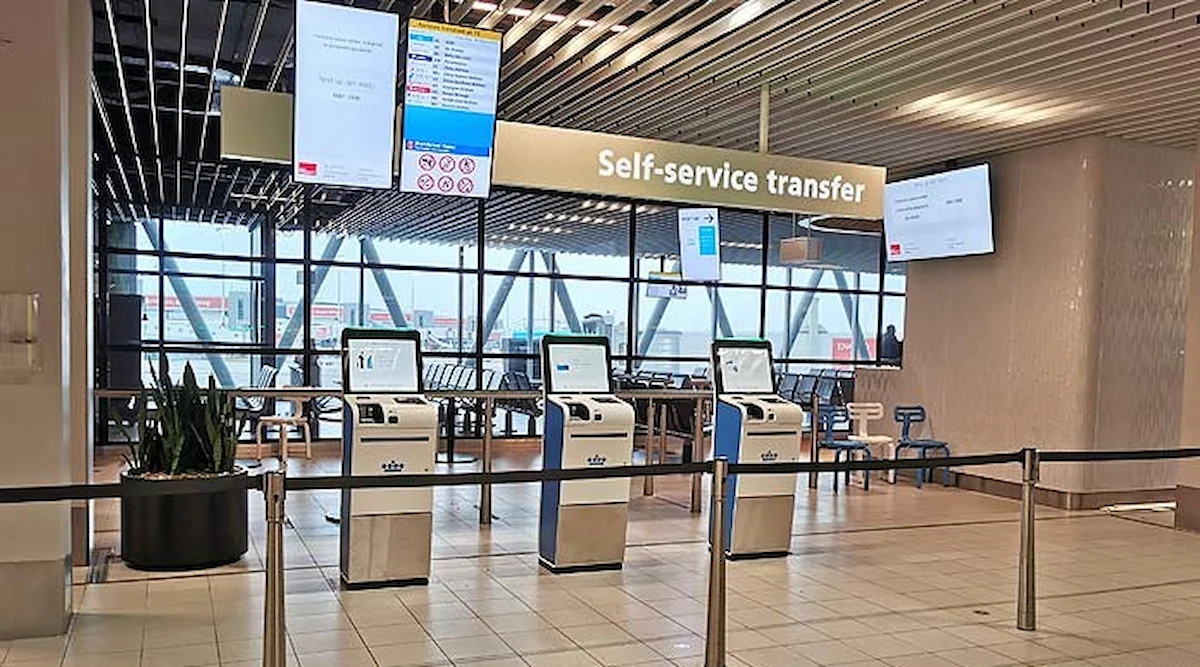
Low-cost carriers have made travel cheap, but they created the self-transfer trap. If you book two separate tickets with different airlines to save money, the second airline does not care if the first one was late. You aren't a transit passenger in their eyes, you are a new passenger who missed their flight. This often means you must enter the country to collect and re-check bags, which requires a full entry visa you might not have.
Why Travelers Get Deported During Transit?
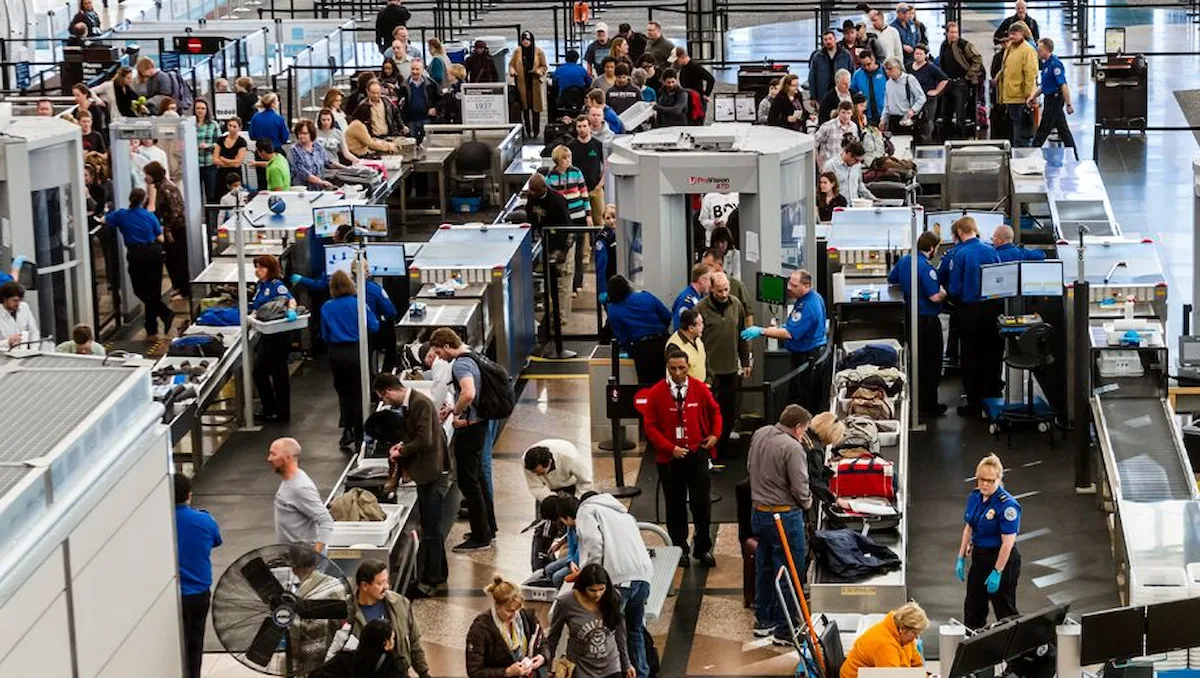
It sounds extreme, but transit deportation happens more than you think. The most common mistakes include not having a return ticket, failing to show a hotel reservation for the final destination, or simply trying to exit the wrong terminal door by mistake. Immigration officers look for consistency. If your transit plan is 48 hours but your visa only allows 24 hours, you could find yourself on the next flight back home.
The Masters of Chaos
Some airports are legendary for their complexity. While Dubai Airport and Doha Airport are massive, they are designed for transit. However, airports like Delhi Airport or John F. Kennedy Airport often struggle with long queues and confusing signage. At Charles de Gaulle Airport, the circular layout is famously difficult to navigate. Navigating these hubs requires more than just a ticket it requires patience, a clear map, and a lot of extra time.
The golden rule of modern travel is simple: Never assume. Rules change and every airport is its own kingdom. Before you book that too good to be true flight deal, take five minutes to check the transit requirements. Safe travels!